Leave Your Message

2026 Top Stainless Steel Parts Manufacturers Worldwide

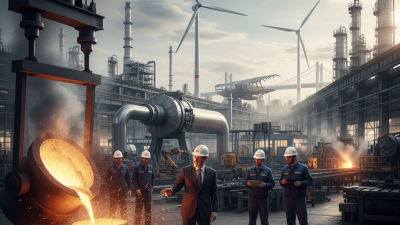
Choosing the right Stainless Steel Parts manufacturer in 2026 requires more than comparing prices or polished websites. Global buyers need evidence of engineering skill, production consistency, material traceability, and dependable communication. A factory may display modern equipment, yet its real capability appears in tolerances, surface finishes, inspection records, and delivery performance.

This guide explores leading Stainless Steel Parts manufacturers worldwide through practical industry criteria. It considers CNC machining, stamping, casting, laser cutting, welding, and custom fabrication. Attention is also given to stainless grades, including 304, 316L, 17-4 PH, and duplex steel. These materials behave differently during cutting, forming, heat treatment, and polishing. Small details matter. A clean thread matters. So does a stable batch.

Manufacturers with ISO-based quality systems, calibrated measuring equipment, and experienced technical teams generally offer stronger production control. However, certification alone does not guarantee excellent parts. Factory audits, sample testing, first-article inspection, and clear drawings can reveal more. Some public information remains incomplete, and supplier rankings can change as capacities, technologies, and markets develop. That limitation deserves attention.

The following overview is designed to help engineers, procurement teams, and product developers compare suppliers with greater confidence. It highlights manufacturing strengths, typical industries served, quality practices, customization abilities, and geographic advantages. Real-world performance still depends on project complexity, communication, and verification. Careful questions often prevent costly assumptions.
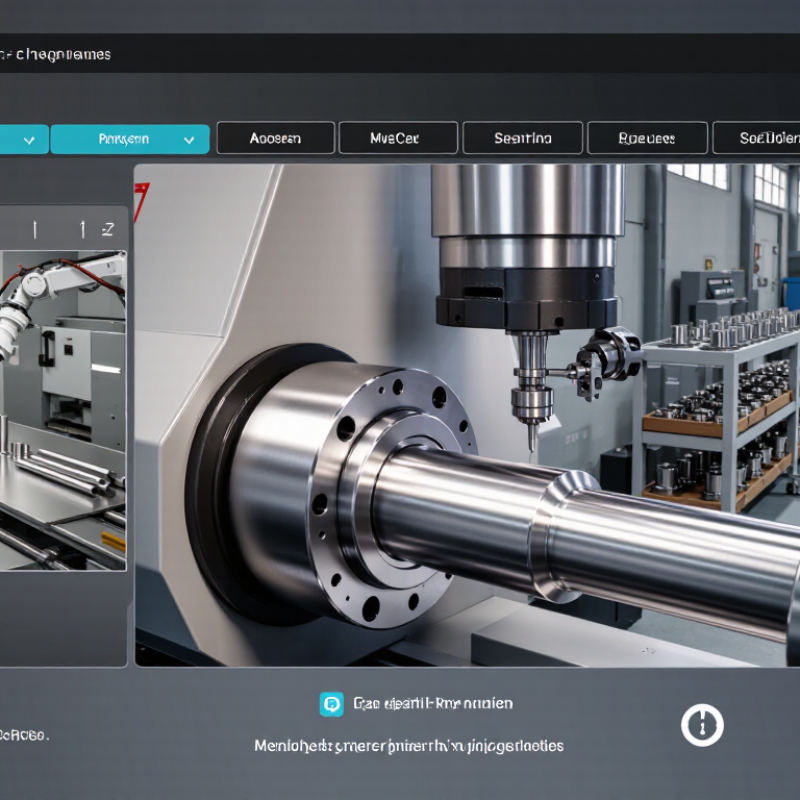
2026 Top Stainless Steel Parts Manufacturers Worldwide

Global Stainless Steel Parts Manufacturing Landscape in 2026

In 2026, the global stainless steel parts manufacturing landscape is becoming more regional, technical, and closely monitored. Manufacturers across Asia, Europe, North America, and emerging industrial hubs serve automotive, medical, energy, food-processing, and equipment markets. Their capabilities differ sharply. Some specialize in precision CNC turning, while others produce stamped, forged, cast, or additive parts. Material selection depends on corrosion exposure, temperature, cleaning chemicals, and fatigue loads. Grades such as 304 and 316 remain common, but application data should guide every decision.

Experienced buyers examine more than machine lists. They review material certificates, heat numbers, dimensional reports, surface-finish readings, and corrective-action records. Reliable manufacturers connect each batch to inspection evidence. Coordinate measuring machines verify critical geometry. Roughness testers check sealing and hygiene surfaces. For demanding components, tensile, hardness, corrosion, and pressure tests may be necessary. Good suppliers also explain tolerances before production starts. That prevents expensive surprises.

Strong global operations increasingly combine automation with skilled process engineers. Robots repeat loading accurately, but they cannot replace thoughtful fixture design or realistic tolerance planning. Digital production records improve traceability across borders. Yet the landscape is not flawless. Energy costs, shipping disruptions, recycled-content goals, and uneven supplier data create uncertainty. Forecasts remain imperfect. A factory may pass an audit and still struggle with changing volumes. Buyers should sample parts, question assumptions, and compare performance against drawings and service conditions. This feedback can reveal weaknesses that polished presentations hide.
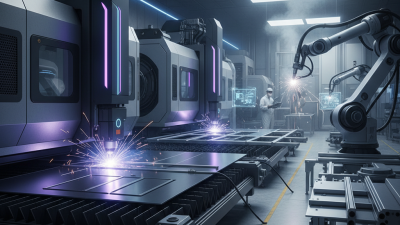

Key Capabilities of Leading Stainless Steel Parts Manufacturers

2026 Top Stainless Steel Parts Manufacturers Worldwide

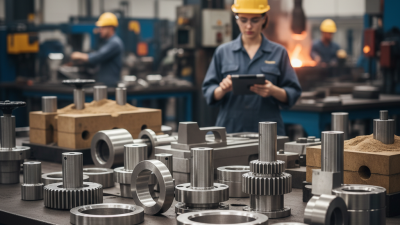
Leading stainless steel parts manufacturers are judged by practical capability, not attractive brochures. Strong suppliers handle grades such as 304, 316L, and duplex stainless steel with documented material control. Their teams understand how heat, corrosion, and machining affect final performance. This knowledge appears in inspection reports, not only sales presentations. Experienced manufacturers can produce turned shafts, stamped brackets, welded frames, and precision housings. They also manage tight tolerances across repeated production runs. Consistency matters.

Modern facilities combine CNC machining, laser cutting, forming, welding, and surface finishing. Reliable manufacturers inspect dimensions with coordinate measuring machines and calibrated gauges. They should also provide traceability from raw material certificates to finished parts. Digital production records improve accountability. However, no supplier is perfect. A capable factory may still struggle with unusual geometries or sudden material changes. Honest communication reveals more than confident promises.

Tips: Ask for sample inspection data, tolerance charts, and production photos. Confirm the stainless steel grade before approving a quotation. Review welding procedures when strength or hygiene matters. Clarify lead times, packaging methods, and corrective-action processes. Small details often expose weak quality systems. Avoid choosing only by price. A cheaper part may require costly rework, especially when threads, edges, or polished surfaces are critical.

Regional Distribution of Top Stainless Steel Parts Suppliers

Regional Distribution of Top Stainless Steel Parts Suppliers

In 2026, leading stainless steel parts suppliers remain concentrated across East Asia, Europe, and North America. East Asia supports high-volume machining, stamping, casting, and precision fabrication. Its supplier networks often combine automated equipment with flexible subcontracting. This structure helps meet demanding delivery schedules, although quality consistency can vary between production sites.

Europe remains influential in engineered parts for food processing, medical equipment, energy, and industrial automation. Suppliers commonly emphasize material traceability, dimensional inspection, and documented process control. North American manufacturers serve aerospace, transportation, construction, and specialized machinery markets. They often provide strong engineering communication and local technical support. Lead times may improve when customers source closer to final assembly.

India and Southeast Asia are expanding their stainless steel manufacturing capacity. These regions offer competitive labor costs and increasingly capable machining centers. Their strongest suppliers are investing in inspection laboratories, corrosion testing, and workforce training. Regional sourcing is not always simple. Freight routes, certification requirements, and alloy availability can change the real cost quickly. A supplier with modern equipment is not automatically the safest choice. Buyers should review sample parts, inspection reports, production experience, and corrective-action records before approving volume orders. The regional picture also remains imperfect, because rankings shift with energy prices, labor skills, and changing industrial demand.

2026 Top Stainless Steel Parts Manufacturers Worldwide - Regional Distribution of Top Stainless Steel Parts Suppliers

Regional overview of stainless steel parts manufacturing capabilities, commonly processed grades, applicable standards, and principal industrial applications.

Scope: stainless steel fabricated, machined, cast, forged, stamped, and precision parts. Regional descriptions are based on established industrial capabilities, stainless steel processing practices, and widely used international standards.
Region Representative Manufacturing Locations Core Manufacturing Strengths Common Stainless Steel Grades Typical Part Categories Relevant Standards Primary End-Use Sectors
East Asia China, Japan, South Korea, Taiwan High-volume stamping, CNC machining, precision tubing, investment casting, laser cutting, and automated forming 304/304L, 316/316L, 430, 410, 17-4 PH Flanges, brackets, shafts, fasteners, appliance parts, pump components, sanitary fittings ASTM A240, ASTM A276, ASTM A479, JIS G4304, JIS G4305, ISO 9001 Industrial equipment, electronics, appliances, automotive, food processing, chemical processing
South Asia India, Türkiye, Southeast Asian manufacturing hubs Forging, fabricated assemblies, sheet-metal work, pipe fittings, general engineering, and cost-efficient batch production 304/304L, 316/316L, 321, 347, 410, 420 Pipe fittings, valve bodies, structural brackets, forged rings, machined connectors, kitchen and sanitary components ASTM A182, ASTM A351, ASTM A403, ASME B16.5, EN 10204, ISO 9001 Oil and gas, water treatment, construction, rail, food equipment, power generation
Western Europe Germany, Italy, France, Spain, Switzerland, Austria Complex CNC machining, hygienic fabrication, certified pressure components, precision forming, and high-traceability production 304L, 316L, 1.4301, 1.4404, 1.4541, duplex 1.4462 Precision housings, hygienic fittings, pressure parts, robotic components, heat-exchanger parts, custom assemblies EN 10088, EN 10204, EN 10216, PED 2014/68/EU, ISO 13485, ISO 9001 Medical technology, pharmaceuticals, food and beverage, automation, energy, process engineering
Northern Europe Sweden, Finland, Denmark, Norway, United Kingdom Corrosion-resistant fabrication, marine-grade welding, cold forming, heavy plate work, and low-temperature service components 316L, 2205 duplex, 2507 super duplex, 304L, 904L Marine fittings, offshore structures, welded manifolds, subsea parts, pressure vessels, structural components EN 10088, ISO 3834, EN 1090, DNV rules, NORSOK M-650, ASTM A790 Marine, offshore energy, renewable energy, pulp and paper, hydropower, chemical processing
North America United States, Canada, Mexico Certified machining, aerospace-quality traceability, industrial casting, custom fabrication, and rapid prototyping 304/304L, 316/316L, 17-4 PH, 15-5 PH, 410, 2205 Aerospace fittings, medical instruments, valve parts, machined housings, cast pump bodies, structural assemblies ASTM A240, ASTM A276, ASTM A351, ASME Section VIII, AMS specifications, AS9100, ISO 13485 Aerospace, defense, medical devices, oil and gas, automotive, semiconductor equipment
Latin America Brazil, Mexico, Argentina, Chile, Colombia Welded fabrication, industrial maintenance parts, agricultural equipment components, casting, and regional replacement production 304, 316, 410, 420, 430, duplex 2205 Mining parts, pump components, food-processing equipment, agricultural machinery parts, pipe supports, brackets ASTM A240, ASTM A276, ASTM A312, ASME B16.9, ISO 9001, AWS welding standards Mining, agriculture, food processing, water infrastructure, construction, pulp and paper
Middle East United Arab Emirates, Saudi Arabia, Israel, Qatar, Oman Project-based fabrication, skid assemblies, piping components, field machining, and corrosion-resistant equipment 316L, 304L, 2205, 2507, 904L, 410 Pipe spools, flanges, valve components, desalination parts, skid frames, heat-exchanger components ASTM A182, ASTM A790, ASME B16.5, API 6A, ISO 9001, NACE MR0175/ISO 15156 Oil and gas, desalination, petrochemicals, power generation, marine infrastructure
Africa South Africa, Egypt, Morocco, Tunisia, Kenya General fabrication, mining equipment repair, welded structures, food-processing parts, and localized industrial supply 304, 316, 430, 410, 2205 Mining components, tanks, conveyors, pump parts, structural supports, food and beverage equipment ASTM A240, ASTM A276, ASTM A312, ISO 9001, ISO 3834, EN 10204 Mining, water infrastructure, food processing, construction, chemicals, renewable energy
Oceania Australia, New Zealand Mining and marine fabrication, high-specification welding, maintenance parts, and corrosion-resistant custom assemblies 316L, 304L, 2205, 2507, 17-4 PH Mining equipment parts, marine fittings, process skids, structural brackets, pump and pipeline components AS 1210, AS/NZS 1554, ASTM A240, ASTM A790, ISO 3834, ISO 9001 Mining, marine, water treatment, food processing, infrastructure, renewable energy

Quality Standards and Technologies Used in Stainless Steel Parts Production

In 2026, leading stainless steel parts manufacturers are judged by process control, not polished websites. Quality begins with traceable material certificates, heat numbers, and verified alloy chemistry. Common grades such as 304L and 316L require different cutting, forming, and welding decisions. Independent spectrometers can confirm nickel, chromium, and molybdenum content before production starts. This simple check prevents an expensive mismatch later. It also creates evidence that purchasing teams and auditors can trust.

Precision production combines CNC turning, five-axis milling, laser cutting, and robotic welding. Laser systems reduce heat distortion, but settings still need practical validation. Operators inspect weld penetration, surface discoloration, and dimensional drift. Coordinate measuring machines verify critical holes and flatness against approved drawings. Surface finishing may include passivation, electropolishing, or controlled bead blasting. Clean handling matters. Fingerprints and iron particles can damage corrosion resistance. Standards such as ISO 9001, ASTM specifications, EN requirements, and approved inspection plans guide the work.

Reliable suppliers document calibration, nonconformance reports, corrective actions, and final inspection results. For pressure-related components, testing may include hydrostatic checks, dye penetrant inspection, or radiography, depending on design risk. Digital production records improve traceability from raw coil to shipped part. Yet automation is not perfect. A sensor can drift, and a polished surface can hide a small defect. Experienced teams combine data with hands-on inspection. Small errors compound. Tight schedules sometimes encourage shortcuts, so production teams must question results instead of accepting every measurement blindly.

How to Evaluate Stainless Steel Parts Manufacturers Worldwide

Evaluating stainless steel parts manufacturers requires more than comparing unit prices. World Stainless reported global crude stainless steel production of about 58.4 million tonnes in 2023. This scale makes supplier verification essential. Ask for traceable heat numbers, material certificates, and the exact grade supplied. Confirm whether certificates match independent positive material identification results. A polished sample can still hide incorrect chemistry.

Review the manufacturer’s quality system, process controls, and inspection records. The ISO Survey 2022 recorded more than 1.2 million ISO 9001 certificates worldwide, but certification alone proves limited capability. Request capability data for critical dimensions, surface roughness, hardness, and corrosion performance. For machined parts, examine thread gauges, burr removal, edge radii, and passivation records. For stamped parts, inspect springback and tool-wear controls. Small details matter.

Audit production evidence, not only presentation slides. Ask to see recent nonconformance reports and corrective actions. That may feel uncomfortable. It is useful. Check whether the supplier controls subcontracted heat treatment, finishing, and laboratory testing. Confirm inspection equipment calibration and sampling methods. A practical trial order should measure dimensional consistency across several batches. I would also inspect packaging closely; stainless parts can suffer scratches, contamination, or mixed-grade storage before shipment. Supplier selection remains partly judgment-based, and even experienced buyers can overvalue attractive documentation.