High Quality Alloy Steel Casting Parts for Global Sourcing?
The demand for high-quality Alloy Steel Casting Parts is growing globally. Industry reports indicate that the global market for alloy steel castings reached $XX billion in 2022, reflecting a XX% increase from the previous year. This rise illustrates the critical role of these components in various sectors, including automotive, aerospace, and construction.
Alloy Steel Casting Parts are known for their exceptional strength and durability. These attributes make them ideal for applications that require high performance under stress. Numerous studies emphasize the importance of sourcing these parts from reputable manufacturers. Companies that prioritize quality in their sourcing decisions often experience fewer failures and lower maintenance costs.
However, challenges exist in ensuring consistent quality. Not all suppliers meet the rigorous standards required for high-grade alloy steel castings. Businesses must remain vigilant in evaluating potential providers. Establishing rigorous quality control measures can help mitigate risks. As the market evolves, customers should remain informed about best practices in sourcing these critical components.
Understanding Alloy Steel Casting and Its Applications
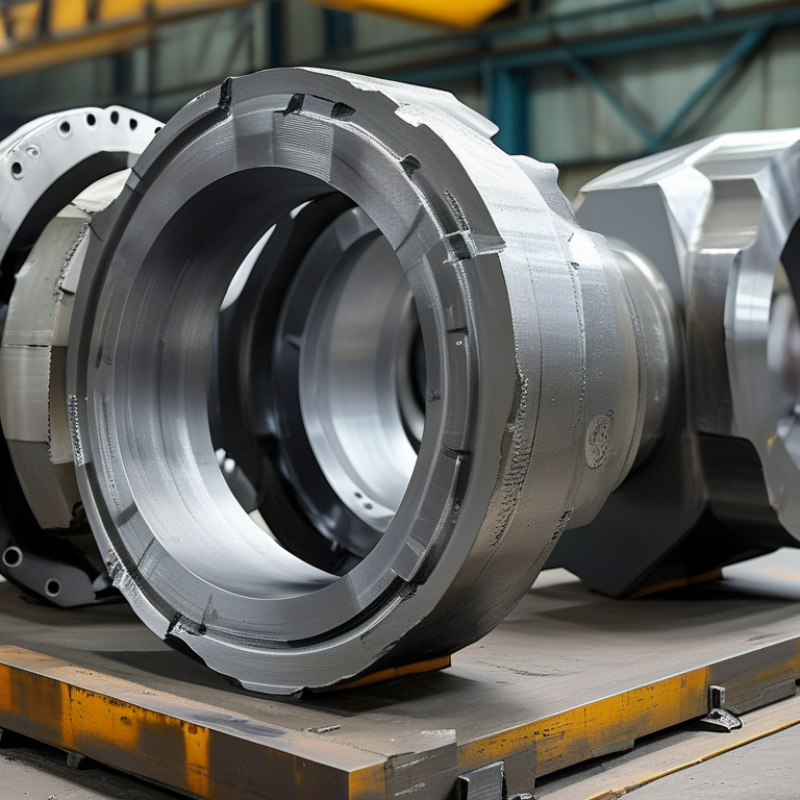
Alloy steel casting is essential in various industries, including automotive and aerospace. These materials have notable strength, toughness, and wear resistance. According to a report by Grand View Research, the global alloy steel casting market is estimated to reach $70 billion by 2027, driven by increased demand for durable components.
Applications of alloy steel casting are diverse. They are commonly used in producing machine parts, turbines, and structural components. A study published in the Journal of Materials Processing Technology states that components made from alloy steel can endure higher stress and harsh environments compared to other materials. However, achieving superior casting quality is often challenging. Factors like proper alloy composition and casting technique must be fine-tuned.
The reliability of casting parts depends on controlling numerous variables. Variations in temperature, mold design, and pouring speed can lead to defects. Understanding these nuances is crucial for manufacturers. Despite advancements, some issues remain, such as porosity and inclusions in castings. Continuous improvement in processing techniques is essential for addressing these challenges.
Key Properties of High-Quality Alloy Steel in Casting Parts
High-quality alloy steel casting parts are essential in various industries. Their properties determine the performance of the final product. Key properties include strength, ductility, and resistance to wear. These characteristics make alloy steel a preferred choice for many applications.
Strength is crucial. High-quality alloy steel can withstand heavy loads and impacts. This makes it ideal for components in construction or automotive sectors. Ductility allows the material to deform without breaking. This property is vital for parts that experience variable stress. It ensures longevity and reduces the likelihood of failure.
Resistance to wear is another critical property. Casting parts often face harsh conditions. High-quality alloy steels resist abrasion, prolonging their lifespan. However, achieving the right balance of these properties can be challenging. Different alloying elements can alter performance. Manufacturers must carefully select materials based on specific applications. Examining the trade-offs is necessary for optimal results.
High Quality Alloy Steel Casting Parts for Global Sourcing
| Property |
Value |
Importance |
| Tensile Strength |
650 MPa |
Indicates the ability to withstand axial loads without failure. |
| Yield Strength |
400 MPa |
Determines the stress at which deformation starts. |
| Elongation |
15% |
Indicates ductility and ability to deform before fracture. |
| Hardness |
HRC 30-35 |
Measures resistance to localized plastic deformation. |
| Impact Toughness |
45 J at -20°C |
Shows resistance to sudden shocks and impacts. |
| Corrosion Resistance |
Good |
Indicates longevity in harsh environments. |
| Machinability |
Moderate |
Ease of processing in manufacturing applications. |
Global Sourcing Strategies for Alloy Steel Casting Components
Global sourcing for alloy steel casting components is a dynamic strategy. Many manufacturers seek cost-effectiveness while ensuring quality. Sourcing from various regions can introduce challenges, such as differing standards and communication issues. It's crucial to research potential suppliers thoroughly. Understanding their production methods and quality control systems is essential.
Building a network of reliable partners is vital. Many companies rely on a few key suppliers, which can be risky. Diversifying your supplier base can help mitigate these risks. Regular audits and site visits can enhance reliability and build relationships. However, ensuring consistency across different suppliers can be a steep learning curve.
Adapting to local regulations and market expectations is necessary for success. Different countries have different compliance requirements. This aspect often requires careful navigation. Continuous communication plays a pivotal role in addressing challenges. Companies must be proactive in managing potential misunderstandings that arise from cultural differences.
Quality Control Measures in Alloy Steel Casting Production
Alloy steel casting production requires stringent quality control measures to ensure reliability. According to the American Foundry Society, defects can occur in 10% of cast parts due to inadequate processes. Effective control measures can significantly mitigate these risks. For instance, regular inspection of raw materials helps prevent defects during production.
One key approach involves using advanced techniques like non-destructive testing. This method can identify internal flaws without damaging the part. Industry reports indicate that implementing such testing can reduce failure rates by up to 30%. Additionally, maintaining uniformity in casting temperatures is crucial. Deviations can lead to structural weaknesses.
Moreover, training personnel is essential. A skilled workforce can recognize issues early in the production process. Studies show that companies investing in training programs experience fewer quality control failures. However, not all manufacturers prioritize this aspect, resulting in inconsistent quality across the industry. Adopting rigorous quality control standards remains a necessary challenge in alloy steel casting production.
Market Trends and Demand for Alloy Steel Castings Worldwide
The demand for alloy steel castings is witnessing significant growth globally. According to a recent market report, the global alloy steel casting market was valued at approximately $80 billion in 2022. It is projected to expand at a compound annual growth rate (CAGR) of around 5% through 2030. This growth is fueled by the increasing need for high-strength materials across various industries.
The automotive and aerospace sectors are key drivers of this demand. For example, the shift towards lightweight vehicles requires advanced materials that alloy steel castings can provide. These castings offer superior strength-to-weight ratios that enhance performance. However, challenges remain in terms of supply chain disruptions and fluctuating material costs. Industry experts note that manufacturers must refine their sourcing strategies to mitigate these issues effectively.
Innovations in casting technology are also shaping market trends. Processes such as 3D printing and sand casting are becoming more prevalent, improving efficiency and reducing waste. However, there is still a need for further research in these areas. Companies are encouraged to stay updated with industry advancements to maintain a competitive edge. As the market evolves, adaptability will be crucial for ensuring quality and meeting global demands.