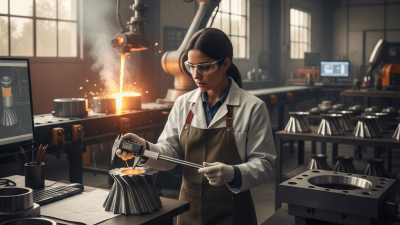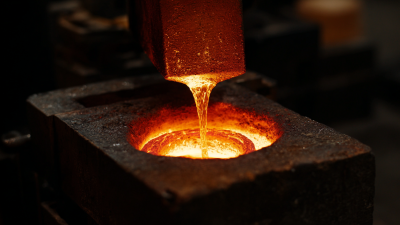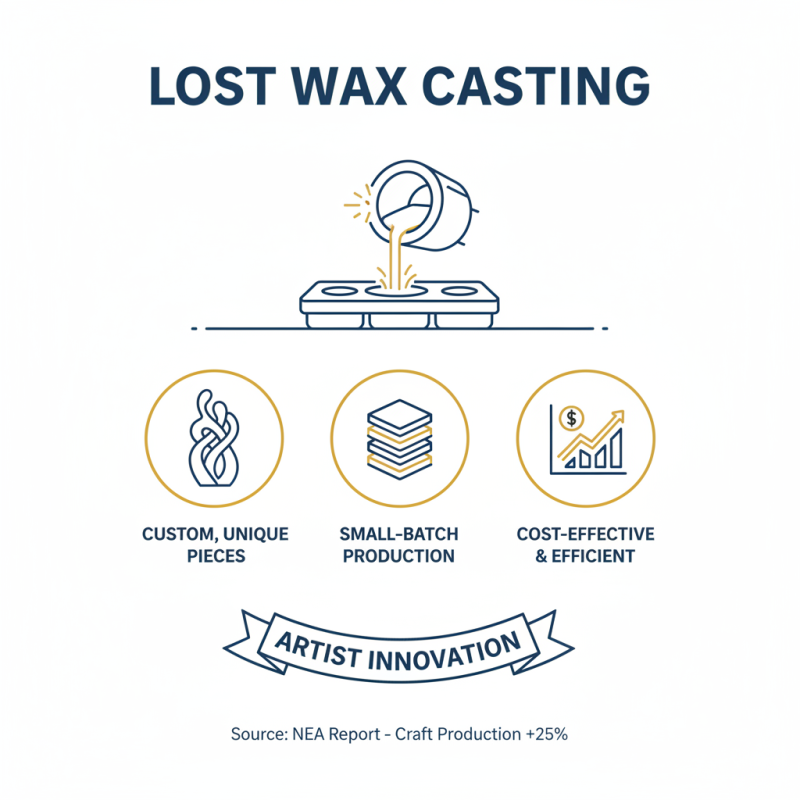
Lost Wax Casting is a time-honored technique that artists and designers have embraced for centuries. According to a recent market report by Grand View Research, the global investment casting market is expected to reach USD 19.61 billion by 2025. This growth indicates the rising popularity of methods like Lost Wax Casting in various industries, including art, jewelry, and sculpture.
One of the primary advantages of Lost Wax Casting is the intricate detail it offers. This method allows for a high level of precision, capturing the artist's vision accurately. However, it also requires significant skill and practice, making it a challenging endeavor for beginners. The process can be unpredictable, leading to trial and error that demands patience and persistence.
Furthermore, the environmental impact of Lost Wax Casting is a growing concern. Sustainable practices are vital for the future of art and design. While this technique is cherished for its unique outcomes, artists must also reflect on their choices regarding materials and methods. Balancing artistry with responsibility is essential as the industry evolves.
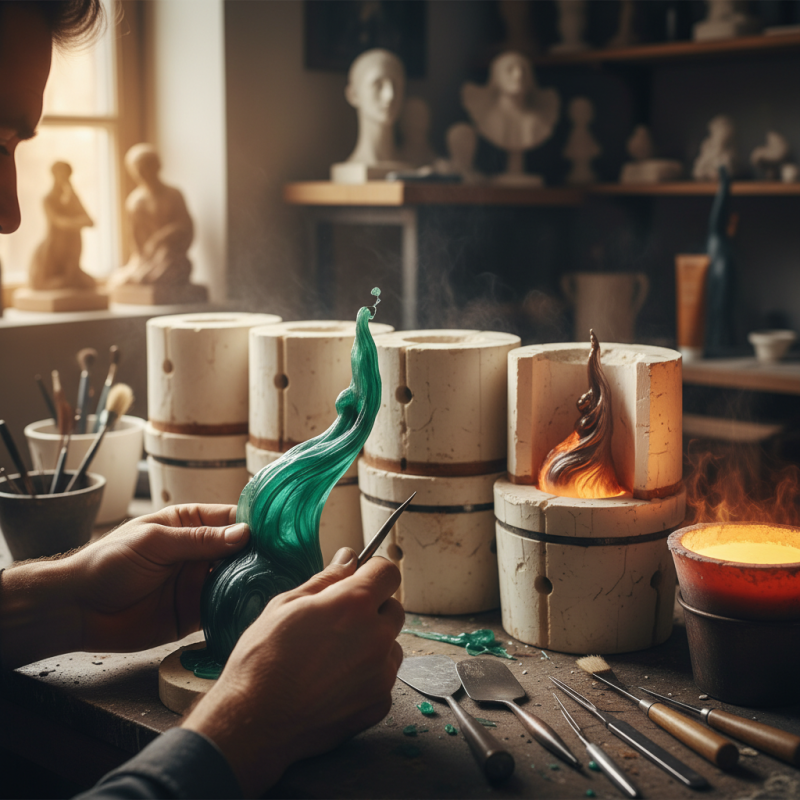
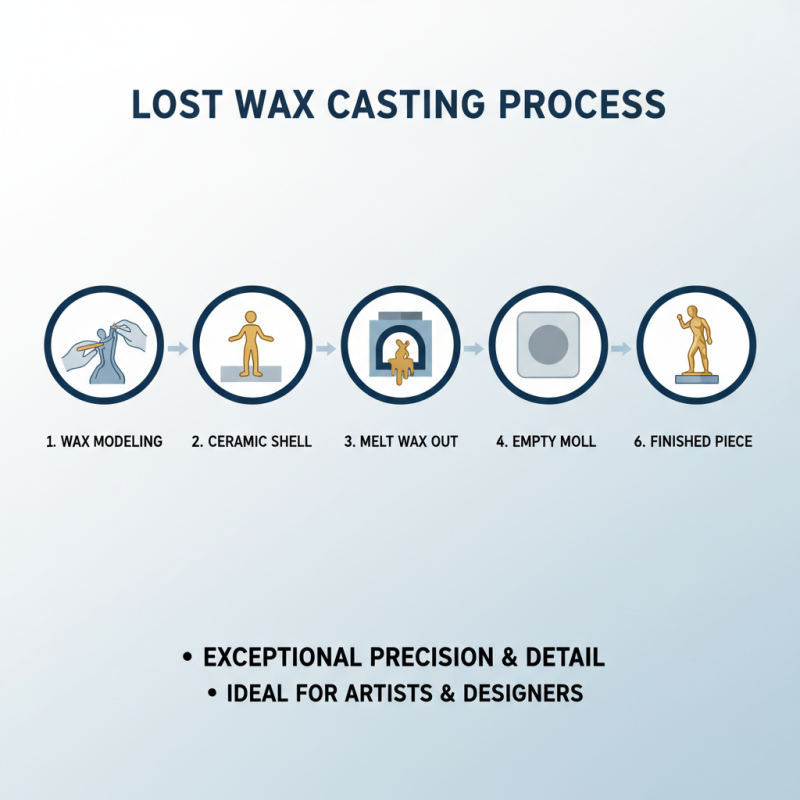
Lost wax casting is a favored method among artists and designers. It allows for intricate details that are hard to achieve with other techniques. The process involves creating a model in wax. Once the model is complete, it is coated in a ceramic shell. The wax is then melted away, leaving a detailed cavity for metal to fill.
This technique is particularly beneficial for fine art. Artists appreciate the ability to replicate complex textures and forms. It opens up endless possibilities for creativity and expression. However, the process can be time-consuming and requires careful attention. Mistakes made during the initial wax model can lead to disappointing results in the final piece. This necessitates a thoughtful approach.
Designers also benefit greatly from lost wax casting. They can produce precise parts for custom projects. The quality of the finish is often superior, giving their work a polished look. Yet, it can be challenging to accurately gauge the dimensions without experience. Trial and error is part of the journey. Artists and designers must embrace this aspect, learning from each attempt to refine their craft.
Lost wax casting offers exceptional precision and detail, ideal for artists and designers. This technique allows for intricate designs that showcase creativity. The process begins with a wax model, which is then coated in a ceramic shell. Once heated, the wax melts away, leaving a mold ready for pouring metal. This method captures fine details beautifully.
Every step requires careful attention. Artists often encounter challenges during the mold-making phase. Small imperfections can arise, affecting the final piece. It's essential to maintain patience and make adjustments. Embracing these flaws encourages growth and learning in the craft. Each piece tells a story, reflecting both the artist’s vision and the casting process's complexities.
The versatility of lost wax casting is remarkable. It suits various materials, including bronze and silver. Artists can experiment with textures and finishes. However, the process also demands significant skill and practice. The balance between precision and expression remains a continuous journey for creators. This method enriches not just the artwork but also the artist's experience.
Lost wax casting offers incredible versatility for artists and designers. This ancient technique allows for a wide range of materials, enhancing creative possibilities. Artists can choose from metals like bronze, silver, and gold. Each material provides unique textures, colors, and finishes. For instance, bronze casting often results in a warm patina, while silver offers a bright, reflective surface. The choice of material can significantly affect the final piece's feel and statement.
According to a recent industry report, the lost wax casting market is expected to grow by 5% annually. This growth highlights the increasing adoption of this method among creators. Many artists appreciate how lost wax casting captures intricate details, making it ideal for both sculptural works and jewelry design. However, not every design translates well into casting. Some intricate patterns may get lost in the process or fail to release from the mold. Understanding the limitations is crucial.
Tips: To minimize issues, always create prototypes before the final casting. Test different materials to see which one best suits your vision. Also, consider the design’s complexity. Simplifying can improve the casting outcome. Remember, careful planning leads to better results and smoother processes.
Lost wax casting offers a unique solution for artists and designers. This technique allows for streamlined production of custom and small-batch pieces. According to a report from the National Endowment for the Arts, small-scale craft production has increased by over 25% in recent years. Artists are seeking ways to create unique work while minimizing costs. Lost wax casting meets this demand effectively.
The process starts with detailed wax models. Each model can be replicated with precision, resulting in minimal material waste. This is crucial, as a significant 30% of artists report concerns regarding resource efficiency. While the initial setup might require time, the long-term benefits include reduced production times. Many users find it takes hours instead of days once the technique is mastered. However, mastering it can be challenging and requires practice.
Moreover, feedback from artisans shows a dichotomy. While many praise the unique finishes, others struggle with imperfections. In some cases, the fine details can be lost in the casting. Artists must be prepared for these inconsistencies, as they can influence the final aesthetic. Yet, this unpredictability often sparks new creative ideas. Embracing flaws can lead to artistic breakthroughs, pushing boundaries and expectations.
Lost wax casting presents numerous advantages for artists and designers, particularly in terms of durability. Cast pieces created through this method exhibit impressive strength, allowing them to withstand the test of time. Each detail in the design is meticulously captured, making sure that intricate patterns and textures last longer than other traditional methods. This enhances not only the aesthetic appeal but also the physical integrity of the artwork.
Moreover, the materials used in lost wax casting contribute to the overall longevity of the creations. Metals like bronze and brass, commonly employed in this process, resist corrosion and wear. This durability translates into pieces that can be displayed outdoors or handled frequently without significant damage. However, achieving the desired finish can be challenging, and artisans often need to experiment with different techniques. This trial and error, while frustrating, is essential for enhancing craftsmanship and artistic expression.
Artists must also consider the impact of temperature and environment on the casting process. Variations can affect the final product, leading to imperfections. Overcoming these challenges is part of the artistic journey. While lost wax casting may require time and patience, the rewards of durable, high-quality work are often worth the efforts involved.
| Benefit | Description | Impact on Art/Design |
|---|---|---|
| Enhanced Detail | Allows for intricate designs and fine details to be captured. | Increases artistic creativity and expression. |
| Superior Material Quality | Use of high-quality metal materials strengthens the final product. | Produces durable and long-lasting artworks. |
| Reproducibility | Allows for repeatable processes, producing identical pieces. | Facilitates commercial production without loss of quality. |
| Reduced Waste | Efficient process minimizes excess material waste. | Promotes sustainability in art production. |
| Customization | Enables personalized and custom designs tailored to client needs. | Enhances marketability of unique artworks. |
| Historical Significance | Rich history providing artists with tradition and knowledge. | Connects contemporary art with historical techniques. |
| Versatility | Applicable to various materials (gold, silver, bronze). | Expands the scope of artistic materials and expressions. |
| Cost-Effectiveness | Efficient process can reduce overall production costs. | Makes high-quality art more accessible. |
| Strength and Resilience | Results in robust pieces that withstand time and elements. | Ensures longevity of artistic works in various environments. |
| Artistic Freedom | Allows artists to create complex and abstract forms. | Encourages innovative and experimental art forms. |