Top 10 Benefits of Metal Casting for Global Buyers?
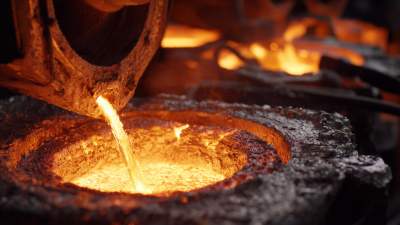
Metal casting is an essential process in the manufacturing industry. It transforms molten metal into useful components. Reports show that the global metal casting market is expected to reach $200 billion by 2025. This growth reflects its crucial role across various sectors, such as automotive and aerospace.
The benefits of metal casting are well-documented. One report highlights that over 70% of all metal products are made through casting. This method offers design versatility and cost-efficiency. Effective production can be achieved with lower labor costs and minimized waste. However, challenges remain, including fluctuations in raw material prices and environmental concerns.
As companies strive for sustainability, metal casting can adapt. Innovations in this field are paving the way for greener practices. Nevertheless, businesses must remain vigilant about quality control and technology upgrades. Understanding these dynamics is key for global buyers seeking reliable solutions in metal casting.
Advantages of Metal Casting in Various Industries
Metal casting plays a vital role across various industries. Its benefits are evident in sectors like
automotive, aerospace, and construction. This process allows for the creation of intricate shapes and components. Metal casting supports diverse designs while ensuring durability. For instance, complex engine blocks are produced through casting methods, enhancing performance and reliability.
The recycling potential is significant in metal casting. Scrap metal can be melted down and reused, which reduces waste. This approach aligns with sustainability goals while also cutting costs. However, it raises questions about quality control. Ensuring that recycled metals meet required standards is crucial for safety.
Quality and precision are essential in metal casting. This technique allows for fine tolerance levels, which can be beneficial in specialized applications. Yet, achieving perfect results can be challenging. Equipment maintenance and proper techniques must be prioritized. Overall, while metal casting offers numerous advantages, continuous improvement and oversight are necessary.
Cost-Effectiveness of Metal Casting for Buyers Worldwide
Metal casting offers notable cost-effectiveness for global buyers. This process allows companies to produce complex components with precision at a lower cost compared to other manufacturing methods. The initial setup costs might be high, but the ability to create high volumes reduces the per-unit price significantly. Over time, this offers substantial savings for businesses.
The versatility of metal casting is another financial advantage. Different metals can be used, allowing buyers to choose materials that fit their budget and performance criteria. Buyers often find that customizing alloys leads to better product performance, which can further enhance profit margins. However, choosing the right material requires careful consideration. Rushed decisions can lead to increased costs in the long run.
Additionally, metal casting reduces waste. This process effectively uses raw materials, minimizing excess. While the production time can vary, the efficiency gained often makes up for any delays. Buyers must remain aware of their supply chains and potential bottlenecks. It's essential to balance cost-saving measures with the quality product expectations. This reflection is critical to maintaining a competitive edge in the global market.
Top 10 Benefits of Metal Casting for Global Buyers
This chart illustrates the top 10 benefits of metal casting for global buyers, highlighting its cost-effectiveness and other advantages that enhance purchasing decisions.
Enhancing Product Durability Through Metal Casting Techniques
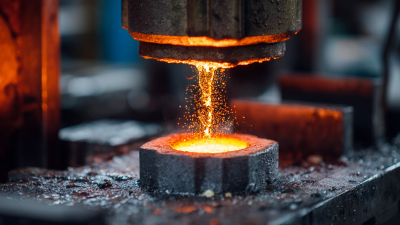
Metal casting techniques play a crucial role in enhancing product durability. By pouring molten metal into molds, manufacturers create strong, intricately detailed parts. This process allows for uniform material thickness, which significantly increases the lifespan of products. Cast metal components can withstand harsh conditions, making them ideal for various applications, from automotive to industrial machinery.
Additionally, the versatility of metal casting offers various alloy options. This flexibility enables designers to select materials best suited for their specific needs. Think about how aluminum alloys are lightweight yet strong, while steel alloys provide exceptional durability. Such choices empower manufacturers to engineer products that meet high performance standards.
However, not all casting methods are perfect. Each technique can introduce defects like porosity or shrinkage. These issues may compromise the integrity of the final product. It's vital for manufacturers to invest time in quality control. The balance between cost and quality must be carefully managed. Ultimately, embracing advanced casting methods and continuous improvement can lead to more reliable, durable products.
Environmental Benefits of Sustainable Metal Casting Practices
Sustainable metal casting practices offer significant environmental benefits that appeal to global buyers. By recycling materials, businesses reduce waste and conserve natural resources. This process minimizes the need for virgin raw materials, which often involve intensive mining activities. As a result, the carbon footprint associated with extraction and processing is significantly lowered.
Many manufacturers are adopting energy-efficient technologies. These innovations help minimize energy consumption, thus reducing greenhouse gas emissions. The integration of renewable energy sources into casting operations is a growing trend. This shift contributes to a more sustainable framework for metal casting.
However, challenges remain. The industry needs to address the energy-intensive nature of some casting processes. Moreover, not all recycled materials are created equal; quality can vary, impacting the final product. Buyers should be aware of these aspects. Understanding the complexities helps recognize the true value of sustainable practices in metal casting.
Versatility of Metal Casting: Applications Across Different Sectors
Metal casting plays a critical role across various sectors. Its flexibility allows for diverse applications, from automotive components to intricate art pieces. This versatility is one reason why global buyers opt for metal casting. Each sector demands different specifications, and metal casting can meet these diverse needs while maintaining quality.
Tips: When choosing a casting method, consider the end-use application. Some methods may offer better precision, while others provide faster production rates. Testing prototypes can help avoid costly mistakes in the future.
One area where metal casting excels is in the aerospace industry. Components made through casting ensure lightweight and high-strength performance. However, challenges can arise, such as ensuring uniform quality across batches. Buyers must remain aware of these potential issues.
Tips: Establish clear communication with manufacturers. Discuss your specific requirements and any quality concerns early in the process. Regular updates can prevent misunderstandings. By embracing the intricacies of metal casting, buyers can benefit greatly despite inherent challenges.