Top Benefits of Stainless Steel Fabrication for Your Projects?
Stainless Steel Fabrication offers numerous advantages for various projects. This versatile material is known for its durability and resistance to corrosion. Many industries rely on stainless steel due to its strength and aesthetic appeal.
One significant benefit of stainless steel fabrication is its long lifespan. Projects that utilize this material often require less maintenance over time. Its ability to withstand harsh environments makes it ideal for outdoor applications. Builders appreciate how stainless steel can enhance both form and function in their designs.
However, not all fabricators excel in this area. Some may lack the expertise needed for high-quality results. It's essential to choose a reliable partner who understands the intricacies of stainless steel fabrication. Reflecting on your options will lead to better decision-making and project outcomes.
Key Advantages of Using Stainless Steel in Fabrication Projects
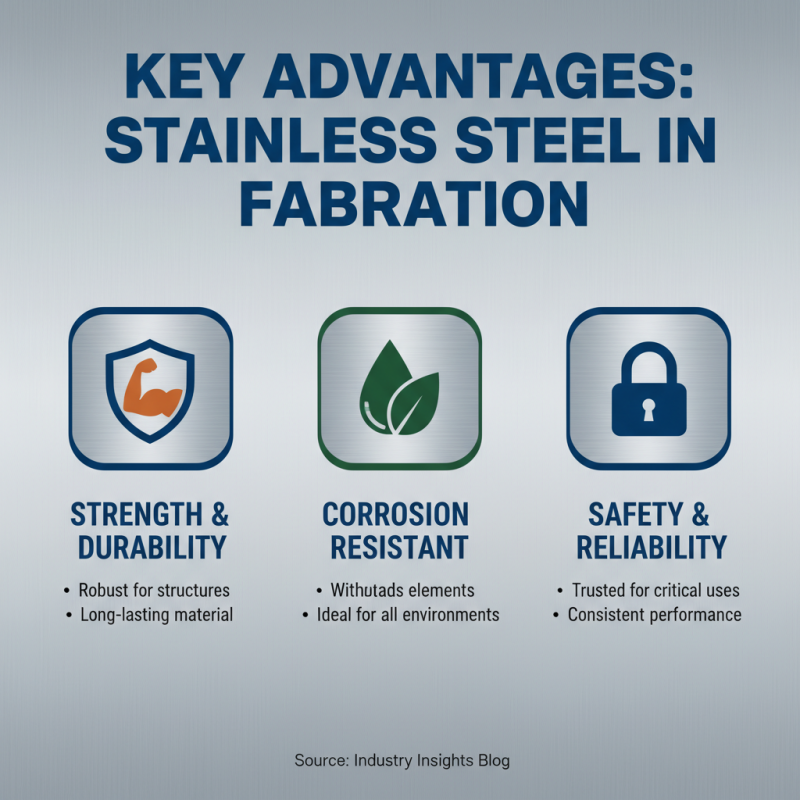
Stainless steel offers numerous advantages in fabrication projects. Its strength and durability make it a popular choice. This metal resists corrosion and weathering, ensuring longevity. It performs well in a range of environments, from kitchens to industrial settings. The material's important properties make it suitable for structures requiring safety and reliability.
A major benefit is its aesthetic appeal. Stainless steel has a sleek, modern finish that enhances visual quality. It’s easy to maintain, needing just simple cleaning to keep it looking new. However, this can sometimes lead to overestimation of its resistance to scratching. While it can resist wear, attention is still needed in high-use areas.
Cost efficiency is another factor. Although the initial investment may be higher, stainless steel often outlasts other materials, ultimately saving money. Installation and fabrication can be complex, requiring skilled labor. Inadequate techniques can result in imperfections, leading to future challenges. Reflection on these aspects can guide better project decisions.
Enhanced Durability and Corrosion Resistance of Stainless Steel
Stainless steel is renowned for its
durability and corrosion resistance. It can withstand harsh environments, making it
ideal for various industries. According to a report by the International Stainless Steel Forum,
stainless steel’s longevity can exceed 50 years, significantly reducing the
need for replacements. This is crucial for projects where maintenance is costly and
time-consuming.
Corrosion resistance is one of the most impressive properties of
stainless steel. It contains chromium, which forms a protective layer on the surface.
This layer prevents rust and oxidation when exposed to moisture. In environments with
high humidity or salt, stainless steel performs exceptionally well. A study published in
the Journal of Materials Science states that stainless steel can retain
its aesthetic appeal even in aggressive conditions.
However, not all stainless steel is created equal. Different grades offer varying levels
of resistance. Some projects may require grade 304, while others may benefit
from grade 316, which includes molybdenum for added
corrosion protection. This can complicate decisions about material selection. Awareness
of local environmental factors is essential when choosing the right stainless steel grade.
Cost-Effectiveness of Stainless Steel Fabrication Methods
Stainless steel fabrication offers various cost-effective advantages for different projects. This material is known for its durability and low maintenance. As a result, it reduces long-term expenses. Unlike other materials, stainless steel doesn’t rust or corrode easily. This property saves on repairs and replacements.
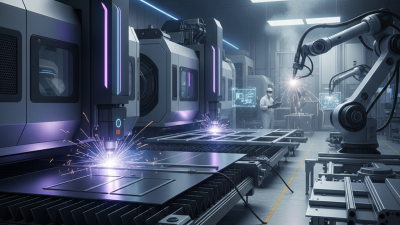
Moreover, fabrication methods are increasingly efficient. Advanced technologies streamline processes, saving both time and money. For example, laser cutting and automated welding enhance precision. This helps in reducing waste. However, initial costs can be higher than some alternatives. It’s crucial to weigh these expenses against long-term savings.
Choosing stainless steel might seem costly upfront. Yet, the longevity and reduced upkeep can outweigh those early investments. Projects may encounter unexpected challenges during fabrication. Adjustments and reworks could add costs. Still, the benefits of choosing stainless steel often shine through in the end. Taking time to analyze these factors is vital.
Versatility of Stainless Steel in Various Industrial Applications
Stainless steel stands out for its versatility in industrial applications. It is used in construction, automotive, and food processing industries. According to the International Stainless Steel Forum, around 50% of stainless steel produced is utilized in the chemical sector. This widespread use highlights its crucial role in durability and resistance to corrosion.
In the food industry, stainless steel is preferred due to its hygienic properties. It complies with strict sanitation standards. A study by the U.S. Department of Agriculture indicated that stainless steel surfaces reduce bacteria by over 99%. However, the fabrication process can lead to variations in quality. Not every batch meets the required standards, which can sometimes compromise safety.
Additionally, stainless steel's recyclability makes it environmentally friendly. The World Steel Association reports that it is one of the most recycled materials globally, with over 70% recycled content in new products. Yet, the energy required for initial fabrication raises questions about sustainability. As industries push for greener practices, reflecting on these aspects becomes vital. The ongoing challenge is balancing quality, sustainability, and cost.
Top Benefits of Stainless Steel Fabrication for Your Projects
| Application Area |
Benefits |
Industry Example |
| Food Processing |
Corrosion resistance and hygiene |
Restaurants, Food Plants |
| Construction |
Durability and aesthetic appeal |
High-Rise Buildings, Bridges |
| Automotive |
Lightweight and strength |
Cars, Motorcycles |
| Marine |
Resistance to saltwater corrosion |
Ships, Offshore Structures |
| Aerospace |
High strength-to-weight ratio |
Airplanes, Drones |
Ease of Maintenance and Aesthetic Appeal of Stainless Steel Products
Stainless steel products are known for their aesthetic appeal. Their sleek and modern look fits well in various settings. This material reflects light beautifully, adding a touch of elegance. Whether in kitchens, buildings, or furniture, stainless steel catches the eye. Its versatility allows it to blend seamlessly with other materials. However, some might find it too cold or sterile for certain spaces. This perspective can create a challenge in design choices.
Maintenance is another reason to favor stainless steel. It's resistant to rust, corrosion, and staining. Wiping it down with a damp cloth often keeps it looking fresh. Many people appreciate this ease of upkeep, especially in busy environments. On the downside, fingerprints can be visible, requiring regular cleaning. This can be frustrating for those seeking a flawless finish. Nevertheless, the durability and long-lasting nature of stainless steel outweigh these minor inconveniences.
A well-designed stainless steel product can elevate any project. Its timeless appeal continues to attract attention. Choosing the right finish can enhance its beauty. However, navigating the balance between form and function can be tricky. Some might overlook practical considerations while chasing aesthetic goals. Reflecting on these aspects can lead to more thoughtful designs.