China Best Carbon Steel Casting Suppliers for Global Buyers?
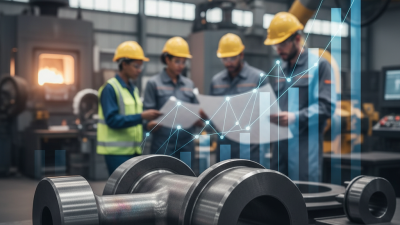
China has emerged as a formidable player in the global carbon steel casting market. A recent report by the International Casting Association highlights that the carbon steel casting industry is projected to grow by 6% annually through 2025. This growth is fueled by increasing demands across sectors like automotive, construction, and machinery. The competitive landscape is broad, and global buyers are keen to identify reliable suppliers in China.
Expert insights underscore the nuances in this market. Dr. Emily Wang, a noted authority in metal casting, emphasizes, “Quality control is paramount in carbon steel casting to ensure strength and durability.” This statement resonates with manufacturers and buyers alike, stressing the essential standards that suppliers must uphold.
However, challenges remain. Some suppliers struggle with consistency and transparency. These issues can lead to potential risks for buyers. It is crucial for global buyers to carefully vet suppliers and review quality records. With meticulous research, firms can foster reliable partnerships in the complex world of carbon steel casting.
China’s Leading Carbon Steel Casting Suppliers Overview
China has established itself as a key player in the carbon steel casting industry. The country offers a diverse range of suppliers with varying levels of expertise. Many of these suppliers are equipped with modern facilities and skilled labor, ensuring high-quality products. However, not all suppliers are created equal, and potential buyers should conduct thorough research before making decisions.
When choosing a supplier, consider their production capacity and technology used. Many leading suppliers utilize advanced casting techniques. This enhances quality and reduces defects in castings. It is important to look for suppliers that provide customization options as well. Meeting specific needs can be vital for many projects.
Tips for buyers: Always ask for samples before placing large orders. Verify the supplier’s certifications and reviews to assess reliability. Don’t hesitate to reach out for references to gain more insight. Price is important, but it should not come at the cost of quality. Balanced decision-making is crucial in selecting the right partner in carbon steel casting.
China Best Carbon Steel Casting Suppliers for Global Buyers
| Supplier Location |
Annual Production Capacity (tons) |
Major Industries Served |
Export Markets |
Certifications |
| Jiangsu |
15,000 |
Automotive, Construction |
North America, Europe |
ISO 9001 |
| Zhejiang |
20,000 |
Energy, Machinery |
Asia, South America |
GOST, API |
| Shandong |
10,000 |
Aerospace, Shipbuilding |
Middle East, Africa |
AS9100 |
| Guangdong |
25,000 |
Electronics, Heavy Equipment |
Europe, Australia |
CE, RoHS |
Key Features of Quality Carbon Steel Castings
When sourcing carbon steel castings, it's crucial to understand the key features that determine quality. One primary aspect is material composition. Quality castings should adhere to strict chemical standards. They should contain appropriate levels of carbon and alloying elements. This composition affects strength, durability, and machinability. Buyers must look for suppliers who conduct thorough metallurgical analysis.
Another vital feature is the casting process. Different methods, such as sand casting or investment casting, influence the final product. Each method offers varying degrees of precision and surface finish. A reliable supplier should provide transparency about their processes. This insight helps buyers assess the quality of the castings.
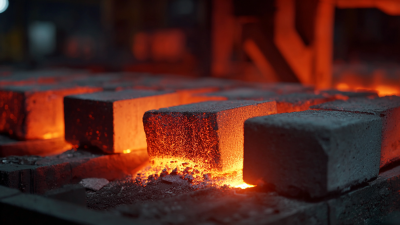
Heat treatment is equally important. Proper heat treatment enhances mechanical properties. Quality castings should undergo this process to ensure optimal performance.
Production consistency is often overlooked. Buyers need to consider a supplier's quality control measures. Consistent quality from batch to batch signifies reliability. Documentation of quality tests can help buyers make informed decisions. However, continuous improvement is a challenge. Suppliers must constantly adapt to industry advancements and customer needs. This ongoing effort is essential for maintaining high standards in a competitive market.
Top Industries Utilizing Carbon Steel Castings in China
Carbon steel castings play a critical role in various industries in China.
The automotive sector relies heavily on carbon steel castings to manufacture engine components, structural parts, and chassis.
According to a recent industry report, the automotive industry accounts for over 30% of the global carbon steel casting market.
These components offer durability and strength, which are essential for safety and performance.
In addition to automotive uses, the construction industry also utilizes carbon steel castings.
They are integral in fabricating structural supports, rebar, and various fittings.
A survey indicated that around 25% of carbon steel castings are used in construction applications.
This sector demands high quality and precision, leading to strict industry standards.
Tip: When selecting suppliers, ensure they follow international quality standards.
Check their certifications and past performance.
Moreover, carbon steel castings find applications in heavy machinery and equipment manufacturing.
The machinery sector often uses these castings for gears, couplings, and housings.
Implementing innovative casting techniques can enhance the quality and reduce production costs.
An estimated 15% of carbon steel castings are used in this sector, showcasing its importance in machinery reliability.
Tip: Consider establishing strong communication with suppliers.
This can help address potential challenges and streamline production.
How to Choose the Right Supplier for Carbon Steel Castings
Choosing the right supplier for carbon steel castings is crucial for global buyers. A reliable supplier can influence product quality and production timelines. According to the World Steel Association, global steel demand is expected to rise by 2% in the coming years. This highlights the importance of selecting suppliers that can meet increasing demand with consistent quality.
When assessing suppliers, consider their experience in the industry. A supplier with over a decade in carbon steel casting can demonstrate reliability and expertise. Additionally, certifications such as ISO 9001 can indicate a commitment to quality management. Studies show that companies focusing on suppliers with robust quality systems report 30% fewer production delays.
Beyond experience and certifications, communication is key. Effective suppliers should be responsive and transparent during the procurement process. Immediate answers to inquiries and clarity on lead times can prevent misunderstandings. Feedback from previous clients provides insight into a supplier's reliability. However, some negative reviews may stem from unrealistic client expectations, highlighting the need for careful evaluation.
Global Shipping and Logistics for Carbon Steel Castings from China
In recent years, the demand for carbon steel castings has grown significantly. The global market is expected to expand at a CAGR of 5.4%, reaching $53 billion by 2027. This growth is largely driven by applications in the automotive, machinery, and construction sectors. China has emerged as a major player in this market, providing high-quality castings to various industries worldwide.
Global shipping and logistics are critical aspects of this supply chain. Efficient transportation networks enable timely delivery. China’s strategic location and robust infrastructure enhance shipping capabilities, reducing lead times. Industry reports indicate that nearly 80% of international shipments rely on sea freight due to its cost-effectiveness. However, challenges persist. The fluctuations in shipping costs can impact pricing strategies. Quality control during transit remains an issue, necessitating stringent inspection protocols.
Chinese suppliers must focus on improving reliability and transparency in logistics. Customers value precise tracking systems and clear communication. As the market evolves, adapting to digital technologies can offer new efficiencies. Ultimately, fostering strong relationships with logistics partners is crucial for sustaining competitive advantages in the global landscape. The interplay of quality production and effective logistics determines the pathway to success in international markets.
Global Carbon Steel Casting Exports by Country (2023)