Best CNC Machining Parts You Need to Know About?
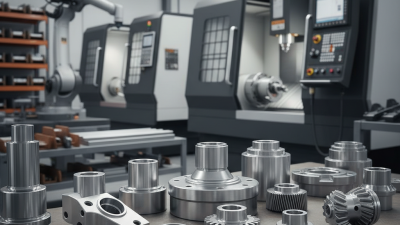
CNC machining parts play a crucial role in various industries, from aerospace to automotive. According to a recent report by Grand View Research, the global CNC machining market is projected to reach $100 billion by 2025. This growth reflects an increasing demand for precision parts and components. Experts believe CNC technology is essential for modern manufacturing processes.
Dr. Emily Hartman, a leading expert in CNC machining, emphasizes the significance of quality. She states, “Precision in CNC machining parts directly influences product performance and durability.” As industries adopt automation, the reliance on CNC parts grows. However, not all manufacturers meet the rigorous standards required, leading to potential challenges in quality control.
Moreover, there is ongoing debate about the reliability of certain CNC suppliers. Some may offer competitive pricing but compromise on materials. This can result in parts that fail to meet specifications. Such issues warrant careful consideration when selecting CNC machining partners. Investing in quality ensures long-term benefits and boosts operational efficiency.
Understanding CNC Machining: What You Need to Know
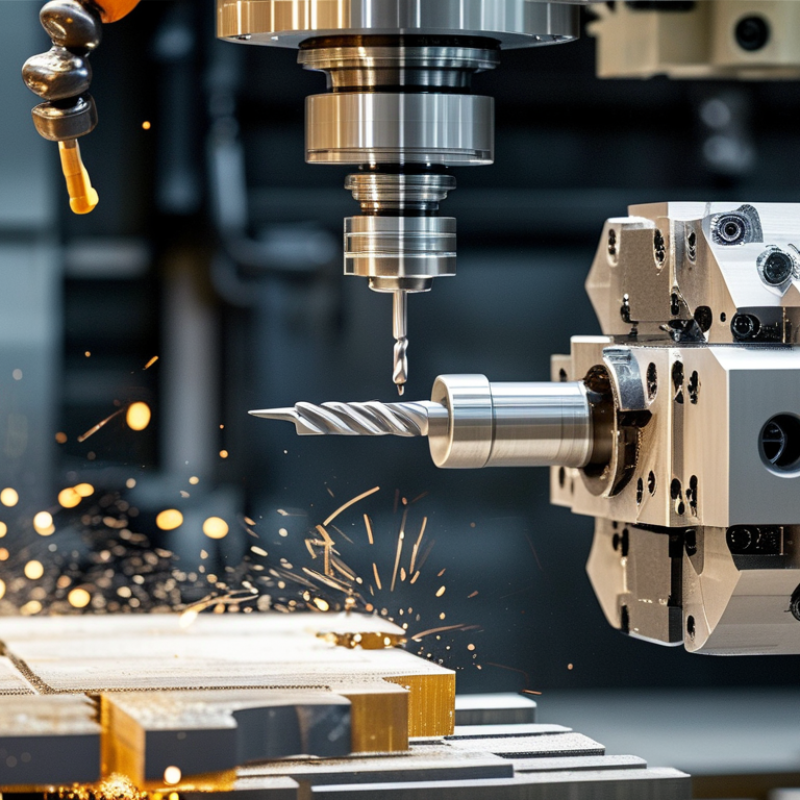
CNC machining is a crucial process in modern manufacturing. It utilizes computer-controlled tools to create precise parts. Reports indicate that the CNC machining market is projected to grow significantly, reaching nearly $100 billion by 2026. This highlights its importance in various industries, from aerospace to automotive.
When considering CNC machining, an understanding of its components is essential. Key aspects include materials, machining types, and tolerances. Aluminum is a popular choice because it’s lightweight and durable. Steel offers strength and toughness, while plastics are favored for their versatility. Each material has unique properties that affect the final product, making it vital to select the right one based on application requirements.
Tips: Always verify the tolerances needed for your project. This can greatly influence cost and production time. Don't skip the design phase—errors here can lead to costly revisions. Regular maintenance of CNC machines is necessary for optimal performance. Neglecting this can result in inaccuracies over time, affecting overall production quality. Understanding these factors will help ensure successful CNC machining projects.
Types of CNC Machining Parts and Their Applications
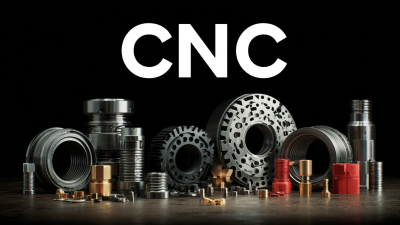
CNC machining consists of various parts, each serving unique purposes across multiple industries. For instance, brackets and mounts are essential in aerospace applications. These parts need precise specifications to ensure safety and performance. Wrong dimensions can lead to catastrophic failures.
Another common type includes gears, crucial in automotive engineering. They convert motion efficiently but require exact tolerances. A slight error can disrupt an entire assembly line. Moreover, custom prototypes play a vital role in product development. They allow engineers to test designs swiftly. Still, balancing speed and accuracy is a challenge. Every prototype teaches valuable lessons about materials and designs.
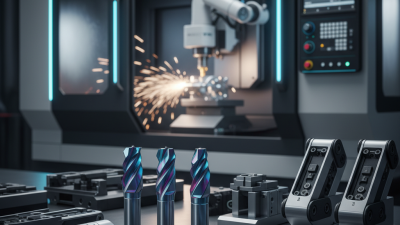
Tools are necessary for machining. They dictate the quality of the finished parts. Selecting the right type can significantly enhance productivity. However, wear and tear must be monitored closely. An overlooked tool can compromise quality, offering a lesson in diligence. Overall, understanding the applications of CNC machining parts enriches your expertise in manufacturing.
Materials Commonly Used in CNC Machining Parts
CNC machining relies on various materials, each offering distinct advantages. Understanding these materials is crucial for engineers and designers.
Aluminum is widely favored for its lightweight and good thermal conductivity. It is often used in prototypes and parts requiring a balance of strength and weight.
Steel provides exceptional durability and strength. It is a go-to choice for parts that endure significant stress. However, it can be heavier and may require special coatings to prevent corrosion.
Stainless steel, with its resistance to rust, is another popular option, especially in food and medical applications.
Plastics, such as nylon and polycarbonate, are also common. They offer flexibility and resistance to chemicals. While these materials may not match the strength of metals, they can reduce weight significantly.
Some projects might benefit from a combination of materials.
It's essential to consider the application when choosing materials. Each option has trade-offs regarding strength, weight, and cost. Understanding these can lead to better decisions and outcomes in CNC machining projects.
Key Advantages of CNC Machining for Custom Parts
CNC machining offers numerous advantages for custom parts manufacturing. One key benefit is its precision. With computer-controlled tools, CNC machining can create intricate designs with high accuracy. This is especially crucial for industries like aerospace and automotive, where even the smallest deviation can lead to significant issues.
Another advantage is scalability. CNC machines can easily adapt to both small and large production runs. Once a program is set up, producing additional parts requires minimal human intervention. This leads to efficiency and reduced labor costs. However, it’s essential to assess the initial setup cost carefully. For smaller projects, this can be a barrier.
Tip: When considering CNC machining, focus on material selection. Different materials respond uniquely to machining processes. Conducting tests on samples can help refine your designs. Also, keep in mind that complex geometries might require more time and resources. Regularly review your designs to identify potential improvements. In doing so, you enhance both the efficiency and quality of the final product.
Factors to Consider When Choosing CNC Machining Services
When selecting CNC machining services, various factors matter significantly. First, precision and quality are crucial. According to a report by Grand View Research, the global CNC machining market will reach $100 billion by 2025, driven by increased demand for high-precision components across industries. Look for a service that emphasizes quality control processes and has certifications, like ISO 9001. This shows a commitment to maintaining high standards.
Material selection is also important. Different materials offer unique characteristics. For example, aluminum is lightweight and corrosion-resistant, while titanium is strong and durable. Research by ResearchAndMarkets highlights that over 60% of all CNC parts are made from aluminum due to its versatility and affordability. Clients should evaluate the materials used by a CNC service to ensure they align with their project needs.
Lastly, consider lead times and flexibility. Some services can fulfill orders quickly, while others may have longer turnaround times. Understanding your project timeline is essential. A 2020 industry survey revealed that 30% of manufacturers experienced delays due to scheduling issues. It's vital to communicate your expectations upfront and assess how a service can meet those demands. Finding the right CNC machining service involves careful evaluation of these key factors.
Best CNC Machining Parts - Production Volume Comparison