China Best Metal Fabrication Services for Global Buyers?
When it comes to metal fabrication, China stands out as a leading hub for global buyers. With its advanced manufacturing techniques and competitive pricing, China offers a wide range of services. Many companies have relied on Chinese metal fabrication for various projects, from automotive parts to construction materials.
However, the landscape is not without challenges. Quality control can vary significantly among different suppliers. It is crucial for buyers to conduct thorough research before engaging with manufacturers. Understanding the specific capabilities of each service provider is essential for achieving desired outcomes. Buyers should prioritize communication and establish clear specifications.
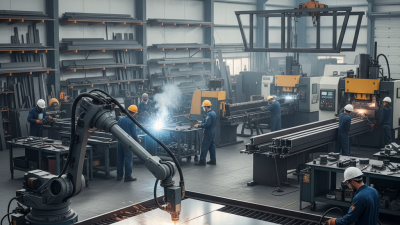
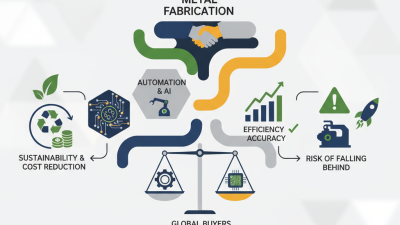
Despite potential concerns, China's metal fabrication industry remains robust. Many factories boast state-of-the-art equipment and skilled labor. Collaboration with experienced partners can lead to successful project completions. The key lies in balancing cost, quality, and reliability. Global buyers can benefit greatly from exploring the depth of China's metal fabrication services.
Overview of Metal Fabrication Services in China
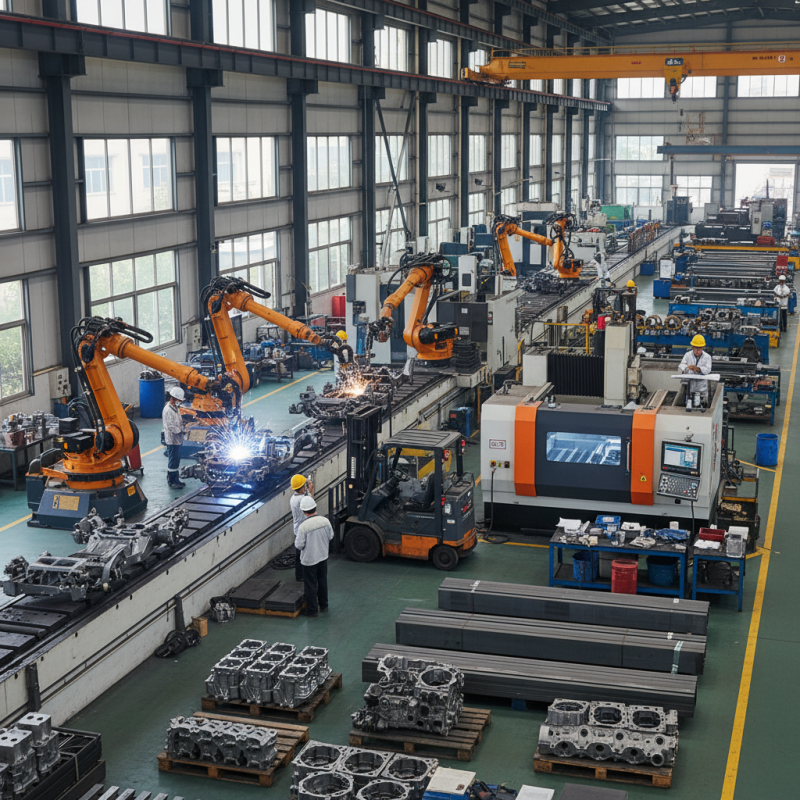
China has grown into a global leader in metal fabrication services. Its vast industrial capacity and skilled workforce contribute to this reputation. Many companies seek custom solutions, from precision machining to welding. This sector supports numerous industries, including automotive and aerospace.
Quality control is a central concern for global buyers. Many Chinese metal fabrication companies implement rigorous standards. However, inconsistency can occur. Some manufacturers may not meet international expectations. Buyers should research thoroughly and verify credentials.
Communication can also present challenges. Language barriers may lead to misunderstandings. Comprehensive project briefs can help mitigate this risk. Ensuring both parties are on the same page is vital for success. Establishing strong partnerships with reliable manufacturers is essential for achieving quality results.
China Best Metal Fabrication Services for Global Buyers
| Service Type |
Material Used |
Application Industries |
Lead Time |
Quality Certifications |
| Laser Cutting |
Steel, Aluminum, Copper |
Automotive, Aerospace, Electronics |
1-3 Weeks |
ISO 9001, CE |
| CNC Machining |
Aluminum, Brass, Titanium |
Medical Devices, Robotics, Industrial |
2-4 Weeks |
ISO 13485, AS9100 |
| Metal Stamping |
Steel, Aluminum Alloys |
Consumer Electronics, Appliances |
1-2 Weeks |
ISO 9001, TS16949 |
| Welding |
Stainless Steel, Carbon Steel |
Construction, Heavy Machinery |
2-6 Weeks |
AWS Certified |
| Sheet Metal Fabrication |
Aluminum, Mild Steel |
HVAC, Medical Equipment |
1-4 Weeks |
ISO 9001, RoHS |
Key Advantages of Sourcing Metal Fabrication in China
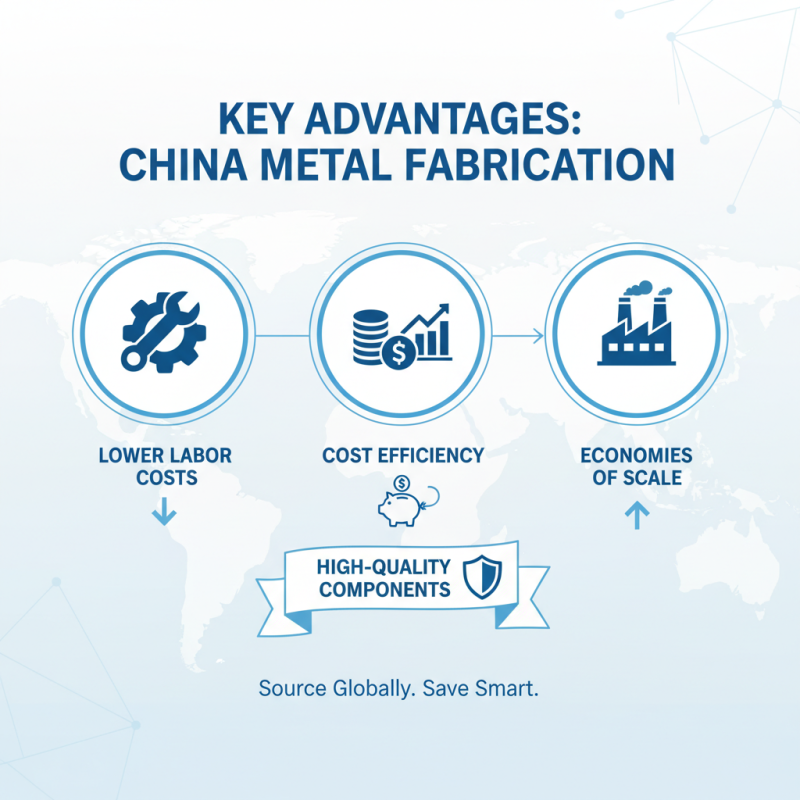
Sourcing metal fabrication services in China offers several key advantages for global buyers. One major benefit is cost efficiency. Labor costs in China are generally lower than in many Western countries. This allows companies to produce high-quality metal components without breaking the bank. The scale of manufacturing in China also contributes to economies of scale, further driving down costs.
Another advantage is the availability of a skilled workforce. China's metal fabrication industry has developed a reputation for technical expertise. Many workers possess specialized skills, making it easier to achieve precision and quality in production. Buyers can expect fast turnaround times, enabling them to meet tight project deadlines.
When sourcing in China, consider visiting factories. This hands-on approach ensures quality control. Communication is crucial, so having clear specifications will help mitigate misunderstandings. Be open to feedback from suppliers. Adjusting your design based on their input can lead to better results. Think about cultural differences too; understanding local business practices can enhance collaboration.
Common Processes in Chinese Metal Fabrication Services
Metal fabrication is essential for various industries. In China, a wide range of services is offered to global buyers. The common processes in Chinese metal fabrication include cutting, bending, welding, and finishing. Each of these processes plays a crucial role in creating high-quality metal products.
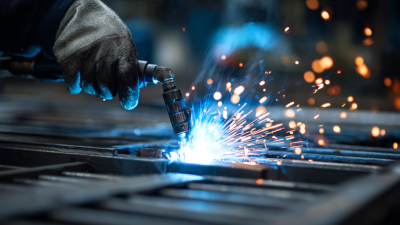
Cutting is often the first step in fabrication. It can be done using lasers or shears, ensuring precision. Bending follows, shaping metal into desired angles. This requires skilled workers who understand material properties. Welding is where pieces are joined, which requires not just expertise but also safety measures. Finally, finishing adds the touch that protects and beautifies the product.
Tips: When selecting a service, assess their experience and skills. Communication is vital. Ensure they understand your requirements. Quality control is often overlooked. Request inspections during the process. Remember that not all services will meet expectations. Some may have delays or inconsistencies.
Finding the right fabrication partner can be a challenge. Not every service will deliver as promised. Look for reviews and past work examples. Be ready to ask tough questions to ensure reliability. Choosing the right company involves some trial and error. Seek continuous improvement in your supplier relationships for the best results.
Metal Fabrication Services: Common Processes and Their Popularity
Top Industries Utilizing Chinese Metal Fabrication
Chinese metal fabrication services cater to various industries across the globe. These industries include automotive, electronics, and construction. Each sector requires precision and quality in their components. Manufacturers leverage advanced technology and skilled labor to meet these demands.
The automotive industry greatly benefits from metal fabrication. Custom parts are essential for vehicles, ensuring safety and performance. Advanced welding and cutting techniques play a crucial role here. Companies must stay updated with safety standards and material innovations.
Tips: Evaluate the quality of materials used in fabrication. Check for certifications that indicate adherence to industry standards. The electronics industry also relies on metal fabrication for enclosures and circuit boards. Here, intricate designs and durability matter. Companies need to focus on sustainability and recycling efforts.
Not all companies can maintain consistent quality. This inconsistency can lead to delays and higher costs. Buyers should assess past projects and seek client testimonials to gauge reliability. Exploring different fabrication methods can offer insights into the best practices for specific needs.
Evaluating Quality and Reliability of Chinese Metal Fabricators
When considering Chinese metal fabrication services, quality and reliability are paramount. The vast market comprises numerous manufacturers, yet not all deliver consistent results. Potential buyers often struggle to gauge which fabricators meet international standards. Inspecting certifications is a crucial step. Reliable fabricators often showcase ISO and other relevant accreditations. This can provide a degree of assurance.
However, relying solely on certifications can be misleading. Fabricators may possess the right papers but lack practical experience or modern equipment. Engaging in direct communication can reveal their expertise. Ask about their previous projects and client satisfaction. This can help assess their reliability. Moreover, feedback from former clients is invaluable. It's not uncommon for issues to arise with supply chains or communication barriers.
Despite the challenges, many Chinese fabricators strive to improve their processes. Some implement advanced technology, enhancing precision and efficiency. It's essential to remain vigilant and conduct thorough research. This ensures that your chosen partner aligns with your quality expectations. Balancing cost-effectiveness and reliability is often tricky, but it ultimately leads to successful outcomes.