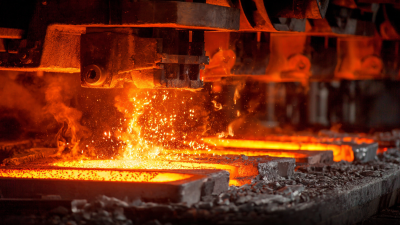
Best Steel Casting Solutions for Global Buyers?
In the global market, Steel Casting has emerged as a crucial component in various industries. According to a recent report by the Grand View Research, the steel casting market is expected to reach $137.85 billion by 2027, growing at a CAGR of 7.2%. This growth underscores the increasing demand for durable and reliable materials in sectors like automotive, aerospace, and construction.
Steel Casting offers unique advantages, including high strength and excellent wear resistance. However, buyers must navigate complexities, such as varying quality standards and sourcing challenges. Reports indicate that 40% of companies face difficulties in quality control when procuring steel castings from international suppliers. These challenges highlight the need for reliable partnerships and thorough supplier assessments.
Considering the competitive landscape, buyers should prioritize transparency and expertise. Evaluating suppliers based on their production capabilities and technical knowledge becomes essential. As the industry evolves, embracing innovative solutions will be vital for staying ahead. Reflecting on these aspects can lead to informed decisions and successful sourcing in the steel casting domain.

Best Steel Casting Solutions: An Overview of Industry Trends
The steel casting industry is rapidly evolving. Global buyers seek innovative and efficient solutions. Companies are focusing on automation and advanced technologies. These trends can enhance production efficiency and reduce costs. However, integrating new technologies poses challenges. Many businesses must adapt their workforce and processes.
Sustainability is becoming a priority. Eco-friendly practices are gaining traction among manufacturers. Buyers increasingly demand transparency in sourcing and production methods. Yet, not all companies are equipped to meet these standards. This creates a gap between expectation and reality. Some manufacturers still rely on older practices, which can be less eco-conscious.
Quality control remains a critical aspect of steel casting. Advanced materials are being developed to improve performance. However, ensuring consistent quality can be difficult. Errors in casting processes can lead to significant financial losses. The need for skilled labor alongside technology is essential but often lacking. This highlights the importance of ongoing training and development in the sector.
Global Market Insights: Current Demand for Steel Castings
The global demand for steel castings continues to rise, driven by various industries. A recent report from Market Research Future predicts a compound annual growth rate (CAGR) of over 5% in the steel casting sector through 2027. This growth reflects an increasing need for durable and reliable materials in automotive, aerospace, and construction. Steel castings offer unique advantages, such as excellent strength and resistance to wear.
In the automotive sector, steel castings are essential for producing engine components and frames. According to a report by Mordor Intelligence, the automotive segment accounts for nearly 45% of the total steel castings market. This emphasizes the industry's reliance on high-quality manufacturing processes. However, fluctuations in raw material prices can pose challenges. Companies must adopt strategies to manage these risks effectively.
Tip: Diversifying the supply chain can mitigate risks associated with raw material fluctuations. Explore different suppliers and materials to ensure stability.
The aerospace industry also showcases strong demand for precision steel castings. As safety standards tighten, manufacturers are challenged to maintain high precision in their products. According to a survey by Research and Markets, 27% of aerospace companies indicate a need for innovative casting solutions. This showcases a gap that providers can exploit to enhance their offerings while addressing environmental considerations.
Tip: Investing in innovative technologies can improve production efficiency and reduce waste, helping companies meet both demand and environmental standards.
Key Players in Steel Casting: Leading Manufacturers and Their Technologies
Steel casting is vital for various industries, including automotive, aerospace, and heavy machinery. Key players in the market employ advanced technologies to meet global demand. Recent data from industry reports indicates that the steel casting market is projected to grow by 5.2% annually, reaching over $22 billion by 2026. This growth reflects increased production and the need for high-quality metal components.
Leading manufacturers utilize innovative techniques like sand casting, investment casting, and die casting. Each method has unique benefits. For instance, sand casting allows for large-scale production with intricate designs. Investment casting offers excellent surface finish and dimensional accuracy. However, these methods face challenges, such as high production costs and potential environmental concerns. Embracing sustainable practices is critical for industry longevity.
In addition, market players are investing in technology to enhance casting properties. Computer-aided design (CAD) and simulation tools help facilitate better outcomes. The rising emphasis on lightweight components pushes companies to innovate continually. Industry experts note that balancing cost, quality, and sustainability remains a challenge. This ongoing shift will shape the future of steel casting solutions.
Quality Standards in Steel Casting: Ensuring Reliability and Safety
Quality standards in steel casting play a critical role in ensuring reliability and safety across various industries. Inspections must occur at multiple stages, from material selection to the final product. Every phase demands adherence to strict protocols. This attention to detail helps mitigate risks and failures.
The use of well-defined standards also improves communication among suppliers and clients. Everyone involved in the supply chain understands expectations. Still, challenges persist. Variability in raw materials can lead to inconsistencies. Without thorough testing, hidden defects may remain undetected, impacting overall performance.
Manufacturers are encouraged to adopt a culture of continuous improvement. Regular audits and feedback mechanisms can identify gaps in quality assurance processes. Investing in training and development for staff is essential. It fosters an environment of accountability and enhances the integrity of the production process. By scrutinizing quality standards, steel casting solutions can become more reliable and safe for global buyers.
Sustainable Practices in Steel Casting: Innovations and Environmental Impact
Sustainable practices in the steel casting industry are transforming operations globally. Innovations are emerging to reduce environmental impact. Using recycled materials is one method gaining traction. This practice lowers waste and conserves resources. Many manufacturers are experimenting with low-emission technologies, ensuring cleaner production processes.
Energy consumption in steel casting has been a challenge. However, new techniques are proving effective. For instance, electric arc furnaces use significantly less energy compared to traditional methods. These advancements are essential for reducing greenhouse gas emissions. Yet, the transition is not straightforward. Some traditionalists resist change, fearing high costs.
Collaboration among stakeholders is vital. Research institutions and industry players must unite. Knowledge sharing can lead to further innovations. As practices evolve, transparency is essential. Buyers need to know the environmental footprint of their suppliers. Creating a balance between profitability and sustainability is crucial. This journey will require continuous reflection and improvement from all involved.
Best Steel Casting Solutions for Global Buyers
| Casting Type |
Sustainability Rating |
Innovative Technology |
Environmental Impact |
Cost Efficiency (%) |
| Investment Casting |
A+ |
3D Printing |
Low emissions and waste |
15% |
| Sand Casting |
B |
Recycled Materials |
Moderate impact |
10% |
| Die Casting |
A |
Energy-efficient process |
Minimal waste generation |
12% |
| Shell Mould Casting |
A- |
Advanced Shell Technology |
Reduced material usage |
18% |
| Centrifugal Casting |
B+ |
Centrifugal Process |
Higher efficiency |
14% |