Why Are Casting Pump Parts Essential for Efficient Operations?
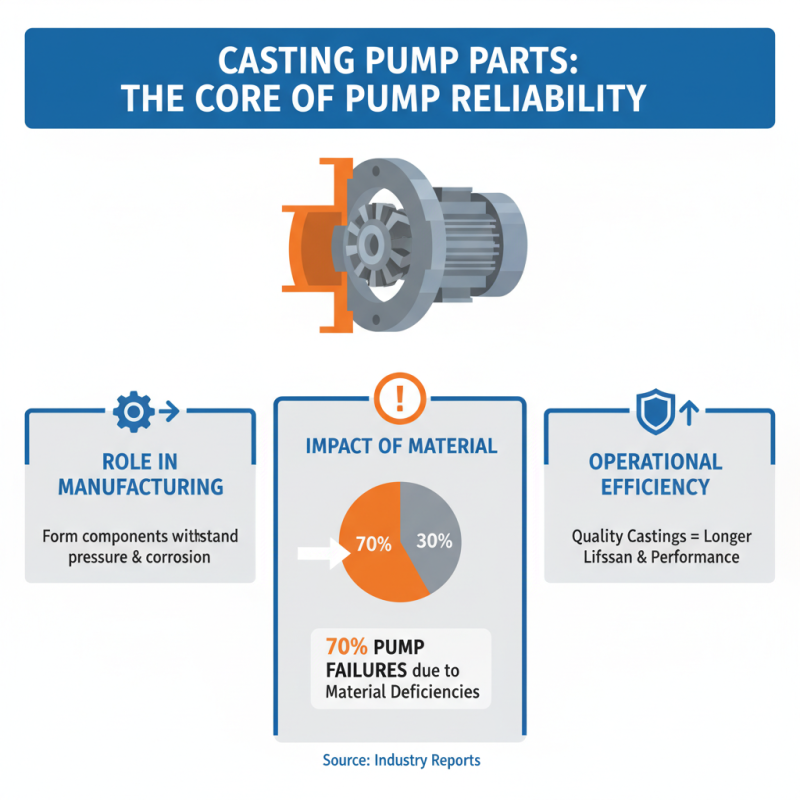
In the dynamic world of industrial operations, the role of casting pump parts cannot be overstated. They are crucial for maintaining efficiency. According to a recent report by the International Pump Users Group, nearly 30% of pump failures stem from inferior components. This statistic highlights the importance of using high-quality casting pump parts. Companies investing in these components see an increase in overall system reliability. Properly designed and manufactured parts lead to enhanced performance.
Casting pump parts provide the durability needed for harsh environments. They can withstand high pressures and corrosive substances, ensuring that operations run smoothly. In fact, the American Society of Mechanical Engineers emphasizes that proper material selection is vital for longevity. Yet, some manufacturers overlook this aspect, leading to repeated failures and increased maintenance costs.
Reflections on current practices reveal a concerning trend. Some companies may prioritize cost over quality, impacting performance. Such decisions can result in long-term inefficiencies and losses. Choosing the right casting pump parts ensures that operations remain efficient and reliable. The data is clear: investing wisely in quality components pays off substantially in the long run.
Importance of Casting Pump Parts in Industrial Applications
Casting pump parts play a critical role in industrial applications. These components are designed to endure high pressure and temperature. Their durability ensures consistent performance in various environments. With the right casting materials, pumps operate efficiently. However, not all casting processes yield the same results.
A close look at the manufacturing process reveals issues. Sometimes, defects arise during casting. These flaws can lead to equipment failure. Regular inspection and quality control are often overlooked. As a result, companies face unexpected downtimes. This highlights the need for better practices.
Properly designed casting pump parts can enhance efficiency. They contribute to reduced energy consumption. By optimizing the shape and weight, performance improves significantly. Yet, achieving the perfect balance can be challenging. Continuous testing and refinement are essential. Manufacturers must learn from their mistakes to innovate.
Impact of Casting Pump Parts on Operational Efficiency
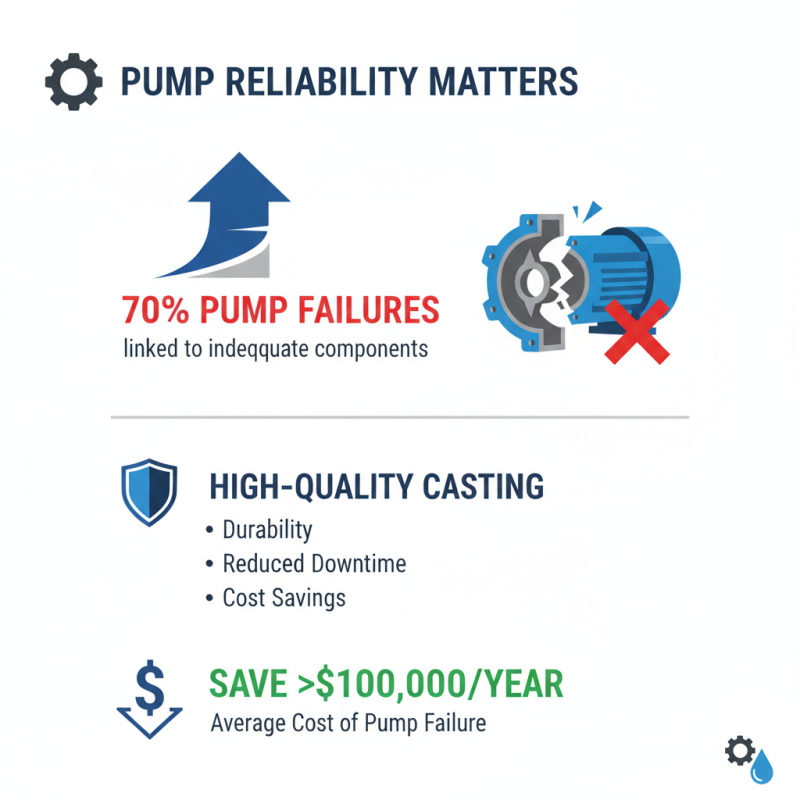
Casting pump parts play a crucial role in maintaining operational efficiency. According to a recent industry report, over 70% of pump failures are linked to inadequate components. This highlights the importance of using high-quality casting materials. Poorly manufactured parts can lead to significant downtime and costly repairs. The average cost of pump failure in industrial settings can exceed $100,000 annually.
When we look at efficiency, casting pump parts impact fluid dynamics and overall performance. A survey conducted by industrial analysts found that pumps with optimized cast components can improve energy efficiency by up to 15%. Reducing energy consumption not only lowers operational costs but also supports sustainability initiatives. Flawed castings can disrupt flow rates, leading to increased energy usage.
However, not all casting processes yield perfect results. Many foundries face challenges in quality control. Defects in casting lead to reduced performance and lifespan of pump parts. Addressing these issues requires ongoing evaluation and investment in better manufacturing practices. This can significantly enhance the operational effectiveness of pumping systems. Companies must critically assess their supply chains to mitigate risks associated with subpar casting.
Common Types of Casting Pump Parts and Their Functions
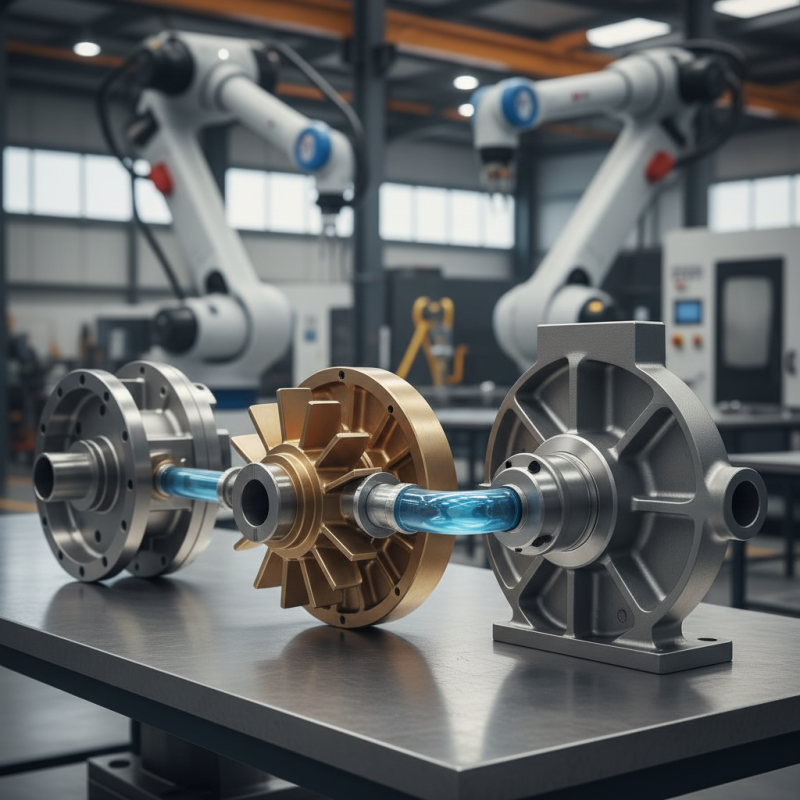
Casting pump parts play a vital role in the efficiency of fluid management systems. Common types include impellers, casings, and volutes. These components are typically made from high-strength materials. They can also withstand high pressures and corrosive environments.
According to a recent industry report, effective impeller design can improve pump efficiency by up to 25%. This design allows for optimal fluid flow and reduced energy consumption. Casings provide a robust structure, ensuring durability during operations. They must fit perfectly to prevent leaks. Poor-fitting casings can lead to frequent maintenance and reduced performance.
Volutes guide fluid flow into the pump. Their design impacts overall efficiency. Inadequate volute design can cause turbulence. Turbulent flow often leads to energy losses. Many engineers overlook these details in initial designs. Ignoring such specifics can result in operational inefficiencies. Upgrading these casting parts can yield significant operational improvements. However, investment in better casting technology is often underappreciated in the industry.
Maintenance Considerations for Casting Pump Components
Casting pump components play a crucial role in maintaining operational efficiency. These parts endure high pressure and turbulent flow. Over time, wear and tear are inevitable. Regular inspection is essential. Scheduling these check-ups can prevent unexpected failures.
During maintenance, focus on the surface condition of the components. Cracks or surface degradation may indicate deeper issues. Addressing these problems early can save significant costs. Operators should also keep an eye on vibration levels. Unusual vibration patterns often lead to pump inefficiencies.
Cleaning is another critical aspect often overlooked. A build-up of debris can impair functionality. Make sure to use appropriate cleaning techniques. Improper methods can cause further damage. Evaluate your maintenance procedures regularly. Adapting them based on experiences leads to better outcomes.