China Best Steel Casting Foundry for Quality and Cost Savings?
In the realm of manufacturing, finding a reliable Steel Casting Foundry can be challenging. China stands out with its vast network of foundries, known for excellence in steel casting. These foundries offer quality products while maintaining cost-effectiveness. The competitive nature of the industry fosters innovation and efficiency.
Chinese foundries utilize advanced technologies and skilled labor. This combination enhances their ability to produce high-quality castings. However, it's crucial to select a foundry that aligns with specific project needs. Not all foundries have the same standards. Some may prioritize cost over quality, leading to inconsistencies.
Before partnering with a Steel Casting Foundry, potential clients should conduct thorough research. Reading reviews and testimonials can provide insight into a foundry’s reputation. Analyzing previous project outcomes is also beneficial. Making informed decisions can prevent costly mistakes and ensure product reliability. Ultimately, understanding the strengths and weaknesses of various foundries is essential for successful outcomes.
China's Leading Steel Casting Foundries: An Overview
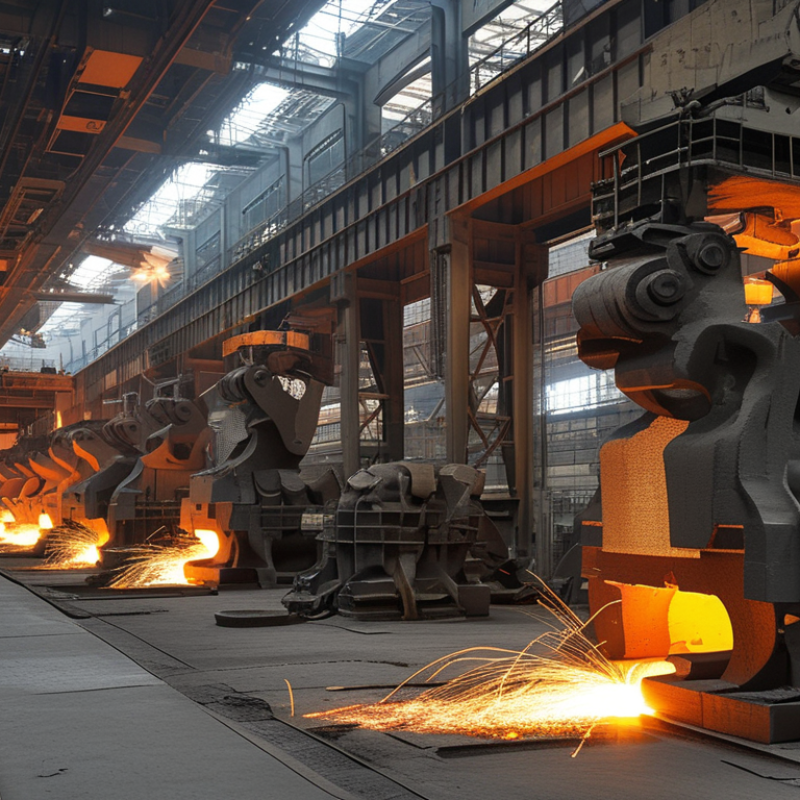
China's steel casting foundries are crucial in global manufacturing. They offer both quality and cost savings. These foundries produce a wide range of cast components used in various industries. Machinery, automotive, and aerospace sectors benefit from these products.
Quality is often a primary concern. Many foundries have advanced equipment. However, quality control practices can vary. Some facilities excel in maintaining standards, while others struggle. It’s vital for buyers to assess the track record of each foundry. Third-party certifications can help buyers gauge reliability.
Cost-effectiveness is another factor. While some foundries offer lower prices, this does not always mean better value. Close attention to detail is needed when evaluating bids. A cheaper option might result in subpar products or delays. It is a balancing act between price and quality. Research and due diligence are essential for making informed decisions.
Key Factors Influencing Quality in Steel Casting Production
Quality in steel casting production hinges on several critical factors that demand attention. Raw material selection plays a pivotal role. Using high-grade alloys can enhance durability. According to a recent industry report, up to 70% of casting defects arise from poor material quality. It’s essential to source materials from reliable suppliers to mitigate this risk.
The casting process itself influences the final product's quality. Parameters like temperature and pressure must be carefully controlled. Consistency in these variables can lead to fewer discrepancies. An analysis reveals that maintaining optimal temperatures can reduce defects by 30%. Additionally, skilled labor is crucial. Experienced operators can identify potential issues before they escalate, minimizing waste and improving efficiency.
Yet, the industry faces challenges. Many foundries struggle with outdated technology, which can hinder production quality. Investing in modern equipment is vital but often overlooked due to cost concerns. Furthermore, continuous training for personnel is necessary. Providing ongoing education helps mitigate human error, ensuring better outcomes in steel casting production. Quality is a multi-faceted endeavor that requires a commitment to improvement and attention to detail.
Cost-Effectiveness in Chinese Steel Casting: A Comparative Analysis
Cost-effectiveness in Chinese steel casting is a critical aspect for many industries. According to a 2022 report by the World Steel Association, China produces over 50% of the global steel output, making it a key player in the steel casting market. This dominance often translates into lower production costs, primarily due to economies of scale and cheaper labor. For example, the average cost of steel castings in China can be 20-30% lower compared to Western counterparts.
However, this cost advantage comes with certain challenges. Quality control remains a concern for some manufacturers. A study by the Casting Industry Association revealed that discrepancies in quality management practices can lead to significant failures in final products. Chinese foundries must balance cost savings with the risk of defects. Ensuring high quality while maintaining low prices is a complex task that requires meticulous processes.
The focus on automation and advanced technology in Chinese foundries aims to address these issues. For instance, digitization in production has shown to enhance precision. Yet, reliance on technology raises questions about workforce implications and skills development. This evolution highlights the need for ongoing reflections on how to maintain both cost-effectiveness and quality in production.
Sustainability Practices in China's Steel Casting Industry
The steel casting industry in China is undergoing a transformation. Manufacturers are prioritizing sustainability alongside production efficiency. This shift is crucial in an era marked by environmental concerns. Many foundries are adopting innovative practices to reduce waste and emissions, but challenges remain.
One common issue is the reliance on traditional energy sources. While some facilities invest in cleaner technologies, others struggle to implement these changes. Efficient recycling processes are becoming more common, yet the overall adoption is inconsistent. Additionally, water usage remains a significant concern. Many factories require significant water for cooling and cleaning, leading to resource depletion in some regions.
Despite these challenges, progress is evident. Some foundries are exploring alternative materials and innovative methods. They are experimenting with green solvents and bio-based coatings. However, there is a long way to go. The industry must embrace more comprehensive changes to truly achieve sustainability goals. The journey involves not just technology but also a shift in mindset among stakeholders.
China Best Steel Casting Foundry for Quality and Cost Savings? - Sustainability Practices in China's Steel Casting Industry
| Dimension |
Value |
| Annual Production Capacity (tons) |
500,000 |
| Average Lead Time (weeks) |
6 |
| Percentage of Recycled Materials Used (%) |
30 |
| Average Price per Ton (USD) |
800 |
| CO2 Emissions (kg per ton produced) |
250 |
| R&D Investment (% of revenue) |
5 |
Future Trends in Steel Casting Manufacturing in China
The steel casting industry in China is experiencing significant changes. Advanced technologies are reshaping traditional processes. By 2025, the market value of the steel casting sector is projected to reach $33 billion, according to industry reports. This growth is driven by increased demand in automotive and aerospace sectors.
Digital transformation is a key trend. Companies are adopting AI and automation to enhance efficiency. This shift is expected to reduce production costs by 20%. However, many foundries face challenges in integrating these technologies. Limited technical skills among workers may hinder progress. The transition to smart manufacturing requires careful planning and investment.
Sustainability is another important focus. As environmental regulations tighten, foundries must innovate. Reports indicate a 15% increase in investments towards eco-friendly practices. However, concerns remain about the upfront costs involved. Balancing cost savings with compliance is crucial for the future. The industry must address these hurdles to maintain a competitive edge while ensuring quality standards.