How to Choose the Best Carbon Steel Casting Supplier for Your Needs?
In today's manufacturing landscape, choosing the right carbon steel casting supplier is crucial. The global carbon steel casting market is projected to reach $20 billion by 2025, according to recent industry reports. This growth reflects the increasing demand for durable materials in various sectors, including automotive and construction.
Expert insights highlight the importance of selecting a reliable partner. John Smith, a leading authority in casting technologies, notes, "Quality and consistency in carbon steel casting are non-negotiable for lasting performance." His perspective emphasizes that not all suppliers meet rigorous industry standards. It's essential to evaluate potential partners based on their capabilities and reputation.
Making a decision can be daunting. With numerous suppliers available, each claiming excellence, finding the right fit requires careful consideration. Factors like production capacity, technical expertise, and customer service play vital roles. Reflecting on these criteria can lead to better choices, avoiding pitfalls in the supply chain that may affect production quality.
Understanding Your Requirements for Carbon Steel Castings
Understanding your requirements for carbon steel castings is essential for selecting the right supplier.
Start by evaluating your project specifications. Consider the dimensions, weight, and complexity of the castings needed. Each project demands unique characteristics.
Not all suppliers can meet diverse needs effectively.
Think about the environment in which your castings will operate. Are they for high-temperature applications?
Will they be exposed to corrosive substances? This will shape your material requirements. A simple mistake in selection can lead to failures in the field.
Quality assurance processes are also critical. Suppliers should have certifications to ensure consistency.
Look for documented processes and quality control measures. Even small discrepancies can affect performance.
This can lead to costly rework or project delays. Finding a supplier who understands your specific needs can improve your project's success.
Evaluating Supplier Experience and Industry Reputation
When evaluating potential suppliers for carbon steel casting, their experience is crucial. Suppliers with extensive industry knowledge often exhibit better production practices. A knowledgeable partner can guide you through specific material needs. They understand the nuances of various applications, reducing the risk of costly mistakes. For instance, consider their years in business. A supplier boasting over a decade in the industry may have valuable insights and capabilities.
Industry reputation is another vital factor. Checking customer reviews can reveal important insights. Look for feedback regarding product quality and delivery times. Trustworthy suppliers will have a consistent track record. Engage with past clients if possible. They can provide firsthand accounts of their experiences, which can differ from one review to another. This real-world perspective offers a deeper understanding of a supplier's reliability.
It's also important to reflect on any inconsistencies or previous challenges faced with other suppliers. Every partnership can be a learning experience. A supplier may face issues, yet their response will indicate their professionalism. Evaluate how they manage adversity. Their approach can illustrate their commitment to quality and service, which ultimately affects your project's success.
Assessing Manufacturing Capabilities and Technology Used
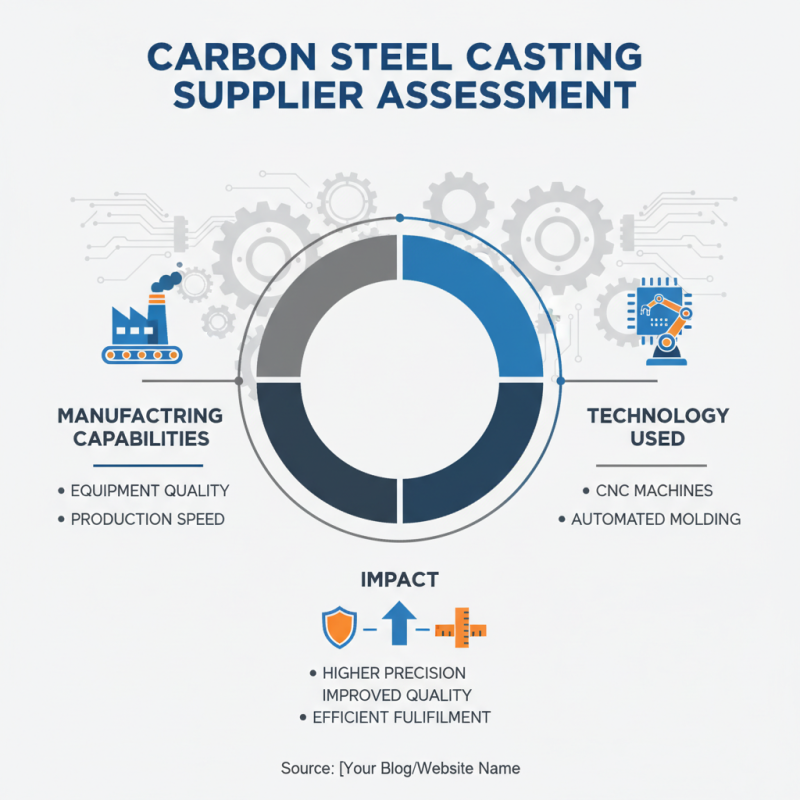
When selecting a carbon steel casting supplier, it's crucial to assess their manufacturing capabilities and technology. The equipment they use can significantly impact the quality and precision of the castings delivered. Advanced machinery, like CNC machines and automated molding, often leads to higher accuracy. Keep an eye on the supplier's production speed too. Efficient processes can fulfill large orders without compromising quality.
Technology is another vital aspect to consider. Suppliers that utilize simulation software for casting design can enhance the accuracy of their products. Understanding the cooling methods they employ, such as sand casting or investment casting, is essential. These methods influence the final characteristics of the castings. However, not every supplier has state-of-the-art technology. Some may still rely on outdated techniques, which can lead to inconsistencies and defects.
Communicate openly with potential suppliers. Visit their facilities if possible. Observe their production processes and quality control measures. This firsthand experience can reveal much about their capabilities. Reflect on how their technology aligns with your specific needs and expectations. Don't overlook reports and testimonials from previous clients. These can provide insights into the reliability and consistency of the supplier's products.
Reviewing Quality Control Processes and Certifications
Quality control processes and certifications are vital when selecting a carbon steel casting supplier. The industry standard highlights that a commitment to quality can significantly reduce defects. According to a recent report by the International Organization for Standardization (ISO), companies with rigorous quality management systems experience a 25% decrease in production errors. Ensuring your supplier follows ISO 9001 standards is essential. This certification guarantees that a company's quality management processes meet international standards.
Moreover, understanding the specific quality control measures a supplier employs is crucial. Many suppliers conduct rigorous testing, including tensile strength examinations and non-destructive testing methods. These tests can uncover issues that could lead to product failure. A study by the American Society for Testing and Materials (ASTM) reports that 70% of defects arise from inadequate testing procedures. It's important to reflect on whether your supplier prioritizes these essential evaluations. A thorough review of their quality protocols can save you costly mistakes in the long run, fostering a more reliable partnership.
Quality Control Process Evaluation of Carbon Steel Casting Suppliers
Comparing Pricing Models and Supply Chain Reliability
When selecting a carbon steel casting supplier, pricing models truly matter. Varying pricing strategies can significantly impact your overall cost. According to a 2022 report by the Steel Market Research Group, suppliers often employ three main pricing models: cost-plus, value-based, and fixed pricing. Each model presents unique advantages and challenges. Cost-plus may provide clarity in pricing, but it lacks flexibility in negotiations.
Supply chain reliability is equally crucial. A recent survey indicated that over 50% of manufacturers experienced disruptions due to supplier issues. This statistic underscores the importance of assessing a supplier’s history. Look for those with strong logistics frameworks and transparent operations. Suppliers who invest in robust supply chain technologies often demonstrate better reliability.
Documentation and certification also play a role. Suppliers with industry-standard certifications tend to adhere to higher quality controls. However, relying too heavily on these credentials without investigating past performance can lead to oversights. Balancing cost, bidding transparency, and reliable delivery will ensure you find a supplier that fits your needs.