Why Choose Carbon Steel Casting for Your Industrial Needs?
When considering industrial needs, the choice of materials is critical. According to John Smith, a seasoned expert in the Carbon Steel Casting industry, “Choosing the right material can make or break your project.” His insight highlights the importance of selecting durable and reliable materials like carbon steel casting.
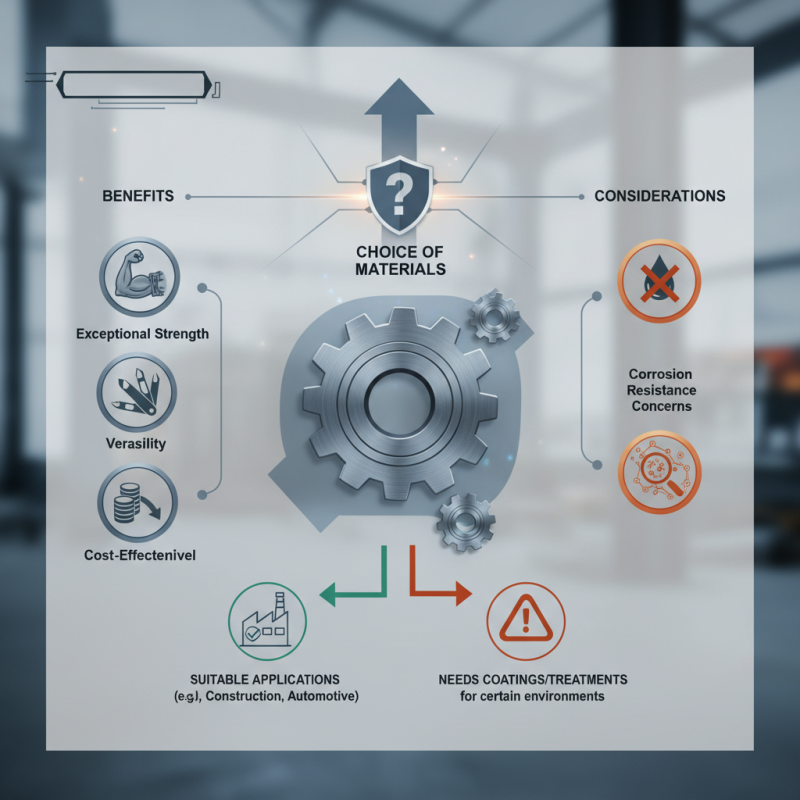
Carbon steel casting offers exceptional strength and versatility. It stands out in various applications, from construction to automotive parts. This material is known for its excellent tensile strength and cost-effectiveness. However, it requires careful consideration during the selection process. Some may overlook the nuances of carbon content, which impacts performance.
While carbon steel casting provides numerous benefits, it isn’t without drawbacks. Corrosion resistance is a common concern for many users. Some applications may not be suitable for carbon steel casting without additional coatings or treatments. It’s essential to weigh these factors against your specific needs to ensure the best outcome.
Benefits of Carbon Steel Casting in Industrial Applications
Carbon steel casting is increasingly popular in industrial applications. This is due to its unique properties and benefits. According to the Casting Industry report, carbon steel has a tensile strength ranging from 400 to 550 MPa. This makes it ideal for various heavy-duty uses. Its higher durability compared to other materials contributes to extended product life cycles.
One advantage of carbon steel casting is its excellent machinability. It allows for precise fabrication of complex shapes. A study by the American Society of Mechanical Engineers noted a decrease in manufacturing time by up to 40% when using carbon steel casts. This efficiency can significantly reduce production costs. However, it's crucial to consider that not all carbon steel grades suit every application. Selecting the wrong type may lead to performance issues.
Carbon steel also provides good wear resistance. Industrial settings often face harsh environments that can wear down materials quickly. Reports show that carbon steel parts maintain their integrity even under extreme conditions. Yet, relying solely on this material might not always be wise. Mixing with other metals could enhance performance and prevent potential corrosion issues. This approach requires careful evaluation to ensure optimal outcomes.
Key Characteristics of Carbon Steel for Casting Processes
Carbon steel casting is popular for industrial applications due to its unique properties. One key characteristic is its excellent strength. This material can withstand heavy loads and extreme conditions. It is often used in machinery and structural components.
Another important trait is its cost-effectiveness. Carbon steel is generally less expensive compared to other metals. This makes it an attractive choice for budgets. However, the lower cost can sometimes indicate lower quality. Quality control is essential in the casting process.
The material's versatility is also noteworthy. It can be easily manipulated to fit various applications. Yet, achieving the right balance of carbon content can be tricky. Too much carbon can lead to brittleness, which is not ideal for all casting needs. Careful consideration is needed during the melting and molding phases. Working with carbon steel requires both skill and attention to detail.
Comparative Analysis: Carbon Steel vs Other Casting Materials
When it comes to industrial applications, choosing the right casting material is crucial. Carbon steel is often favored for its strength and durability. Compared to materials like aluminum and iron, carbon steel shows superior toughness. Its resistance to wear makes it ideal for heavy-duty applications.
Aluminum casting can be lighter, but it lacks the strength of carbon steel. It's prone to bending and does not perform well under high-stress conditions. On the other hand, iron casting offers good rigidity but can be brittle. Carbon steel strikes a balance between strength and flexibility.
**Tip:** Consider your application requirements carefully. If high strength and longevity are priorities, carbon steel is a solid choice.
It's essential to reflect on your specific needs. While carbon steel may be more expensive initially, its lifecycle benefits can outweigh costs. Check how materials hold up under real-world conditions, as performance can differ significantly.
**Tip:** Test materials in smaller batches before full-scale production. This can help identify any unexpected flaws early on.
Common Industries Utilizing Carbon Steel Castings
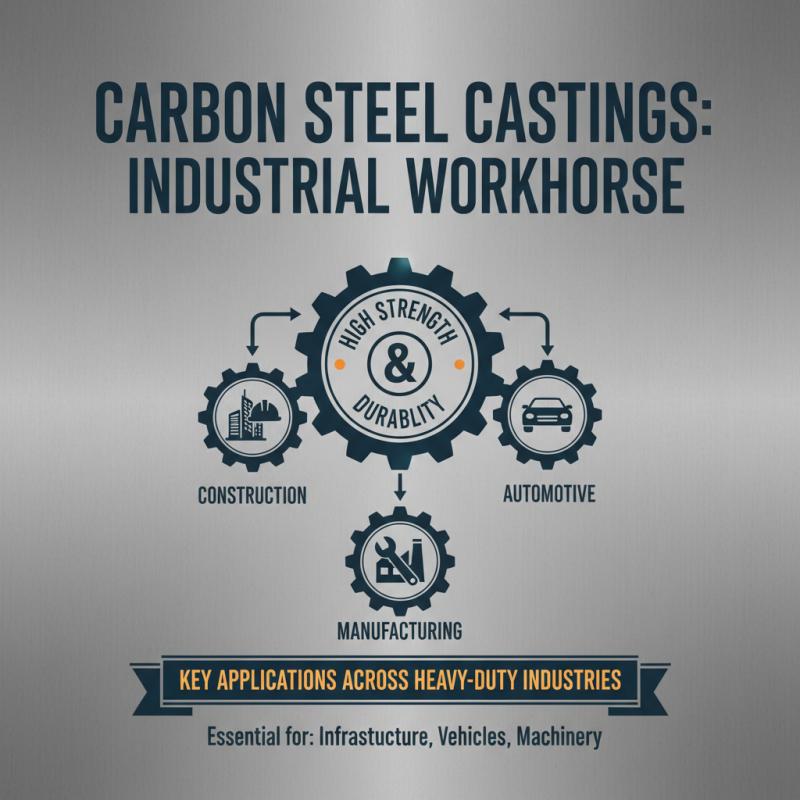
Carbon steel castings play a crucial role in various industries. They are durable and offer high strength, making them ideal for heavy-duty applications. Common industries utilizing carbon steel castings include construction, automotive, and manufacturing. Each of these sectors relies on the unique properties of carbon steel.
In the construction industry, carbon steel castings are used in frameworks, support structures, and machinery parts. They provide stability and load-bearing capabilities. The automotive sector benefits from carbon steel in engine components and transmission housings. These castings ensure efficient performance in vehicles. Manufacturing also sees carbon steel castings in tools and equipment, vital for production processes.
Tips: Always consider the specific requirements of your project. Proper analysis can help determine if carbon steel is right for your application. Consider the environment where the casting will be used. Factors like corrosion resistance can influence your material choice. Sometimes, finding the right balance can be challenging. It may require reevaluation of your initial plans.
Understanding the Cost-Effectiveness of Carbon Steel Casting
When it comes to industrial applications, cost-effectiveness is crucial. Carbon steel casting stands out as a practical choice. This material offers durability and strength at a competitive price. Manufacturers often find it more affordable than alternatives like stainless steel.
However, it’s essential to consider the trade-offs. While carbon steel casting is cost-efficient, it may require more maintenance over time. This could lead to higher long-term expenses in some cases. Understanding the specific requirements of your project can help mitigate these issues.
In industries like construction and automotive, carbon steel casting is widely used. Its versatility allows it to adapt to various designs. Still, the decision should be based on thorough assessments. Evaluating both the upfront costs and maintenance needs is key. This ensures that the choice aligns with your industrial goals.