Why Choose Stainless Steel Casting for Your Manufacturing Needs?
In today's manufacturing landscape, the choice of materials is crucial. Stainless Steel Casting stands out for its resilience and versatility. According to industry expert Dr. John Smith, "Stainless Steel Casting offers unparalleled durability, making it a top choice for many sectors." His insight reflects a growing trend among manufacturers seeking reliable solutions.
Stainless Steel Casting combines strength with adaptability, suitable for various applications. It resists corrosion, ensuring longevity in demanding environments. This material’s reliability is not just advantageous; it's necessary for safety and performance. However, some manufacturers still hesitate, fearing the initial costs. They might overlook long-term benefits, like reduced maintenance. Understanding these dynamics is essential for making informed decisions.
Choosing Stainless Steel Casting requires careful consideration. While it offers significant advantages, businesses must weigh costs against benefits. This material can transform production processes, but balance is key. Engaging with experts like Dr. Smith can provide valuable perspectives, guiding manufacturers toward optimal choices. Making the right decision means reflecting on both short-term expenses and long-term gains.
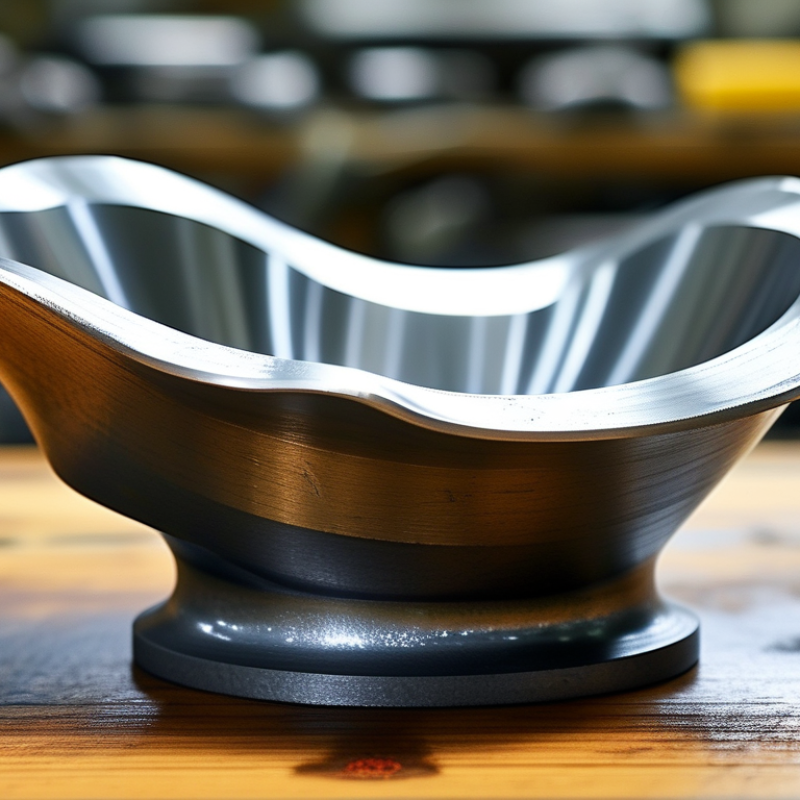
Benefits of Stainless Steel Casting in Manufacturing Processes
Stainless steel casting offers numerous benefits for various manufacturing processes. Its durability is a key advantage. Stainless steel can withstand harsh environments, making it ideal for industries like automotive and aerospace. It resists corrosion, ensuring longevity for components. This reduces the need for frequent replacements and maintenance.
Another benefit is its versatility. With stainless steel casting, manufacturers can create complex shapes with precision. This allows for innovative designs that traditional methods may struggle to achieve. The adaptability in size and complexity enables the production of tailored components to meet specific needs.
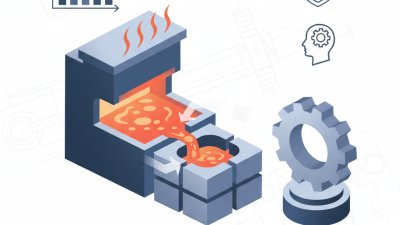
However, it's not without challenges. The casting process design requires expertise and careful planning. Defects can occur if the melt temperature is not controlled. This highlights the need for skilled professionals in the industry. Investing in training can reduce errors and improve the final product quality. Balancing efficiency with quality control is essential for successful outcomes.
Key Properties of Stainless Steel That Enhance Product Durability
When it comes to manufacturing, stainless steel casting stands out due to its remarkable properties. One key feature is corrosion resistance. This characteristic helps products maintain their integrity and aesthetics over time. In industries such as food processing and medical equipment, this is crucial. Products need to withstand harsh environments without degrading.
Another important property is strength. Stainless steel has a high tensile strength, allowing it to handle heavy loads and impact without deforming. This means that parts made from stainless steel can endure rigorous use. However, this strength can also lead to brittleness if not properly engineered. It’s vital to assess the specific needs of your project.
To ensure the best outcomes, consider the following. Assess the environment your product will face. This assessment will guide your choice of stainless steel grade. Keep in mind the manufacturing process. Different methods can affect the final product's properties, such as strength and surface finish. Lastly, always collaborate with knowledgeable suppliers. Their expertise can guide you in making informed decisions tailored to your manufacturing needs.
Applications of Stainless Steel Casting Across Industries
Stainless steel casting plays a pivotal role in various industries due to its versatility and durability. In the automotive sector, for instance, stainless steel castings are used for exhaust systems and engine components. According to a report by Research and Markets, the global stainless steel casting market is projected to reach USD 27.5 billion by 2026. This growth indicates the material's importance in supporting reliable and high-performance designs.
In the medical field, stainless steel castings are essential for surgical instruments and implants. Their corrosion resistance ensures high levels of hygiene and safety. A study by the International Journal of Metal Casting highlights that up to 9% of all stainless steel produced is utilized in medical applications. This illustrates the material's critical role in advancing healthcare technologies.
Consider the selection criteria during your sourcing process. Pay attention to the casting process, as it affects quality and precision. Ensure your supplier has experience in your industry to meet specific requirements. Not all stainless steel grades are suitable for every application. Check the mechanical properties like tensile strength and corrosion resistance. Being informed helps avoid costly mistakes later in production.
Applications of Stainless Steel Casting Across Industries
Comparison of Stainless Steel Casting with Other Materials
Stainless steel casting is increasingly favored in manufacturing due to its unique properties. Compared to materials like aluminum or plastic, stainless steel offers superior corrosion resistance. According to the 2022 Global Material Report, stainless steel maintains its integrity under harsh conditions. This resilience is crucial for industries such as aerospace and automotive, where durability is non-negotiable.
In contrast, aluminum is lighter but less durable. Studies show that aluminum can experience fatigue over time, potentially leading to failure in critical applications. Additionally, plastic, while cost-effective, does not provide the strength required for structural components. For example, the average lifespan of a plastic part is significantly shorter than that of stainless steel, which can last decades.
The choice between these materials often hinges on the specific application. For high-stress environments, the robustness of stainless steel becomes paramount. However, it's essential to reflect on the drawbacks. Stainless steel can be more challenging to work with than aluminum. It requires more energy for casting and machining, which can lead to higher production costs. Balancing these factors is vital in making an informed decision for manufacturing needs.
Cost-Effectiveness of Using Stainless Steel in Long-Term Projects
Stainless steel has gained popularity in manufacturing for good reasons. It offers durability, resistance to corrosion, and a long lifespan. Cost-effectiveness emerges when considering the longevity of stainless steel in long-term projects. While the initial investment may be higher compared to other materials, the benefits outweigh the upfront costs.
Many manufacturers have observed that stainless steel reduces maintenance needs. It withstands harsh environments and does not degrade easily. Instead of frequent replacements, businesses can focus on productivity. This approach can lead to significant savings over time. Projects that utilize stainless steel often notice fewer disruptions, enhancing overall efficiency.
However, the transition to stainless steel isn’t without challenges. Some manufacturers might struggle with the machining process. Specialized tools are often required, leading to updated training and potentially higher short-term costs. Yet, as skills improve and knowledge grows, these issues become manageable. Manufacturers who adapt tend to see long-term benefits, proving that the investment in stainless steel can be well worth it.
Why Choose Stainless Steel Casting for Your Manufacturing Needs? - Cost-Effectiveness of Using Stainless Steel in Long-Term Projects
| Project Category |
Material Cost ($/kg) |
Labor Cost ($/hr) |
Maintenance Cost (Annual) |
Lifespan (Years) |
Total Cost Over Lifespan |
| Food Processing Equipment |
3.50 |
25 |
2000 |
15 |
$55,500 |
| Marine Applications |
4.00 |
30 |
3000 |
20 |
$102,000 |
| Construction |
2.75 |
20 |
1800 |
30 |
$58,500 |
| Chemical Processing |
3.80 |
28 |
2500 |
25 |
$81,000 |