Leave Your Message
Why Choose CNC Parts for Global Manufacturing?
Global manufacturing demands more than fast production. It requires repeatable dimensions, dependable materials, and clear quality records. Cnc Parts support these needs through computer-controlled machining, consistent tooling, and measurable inspection procedures. A supplier can produce the same bracket, housing, or shaft across different production runs. That matters when factories operate thousands of miles apart.
Precision becomes visible in small details. A machined aluminum enclosure may need clean threads, flat mounting faces, and accurate corner radii. CNC processes help control these features through programmed tool paths and documented setups. However, the technology is not magic. Tool wear, incorrect fixturing, and poor drawings can still create defects. Those risks require experienced engineers, capable operators, and inspection equipment such as coordinate measuring machines.
Shigeo Shingo, a respected manufacturing engineer, observed, “The most dangerous kind of waste is the waste we do not recognize.” His insight applies directly to international sourcing. Hidden waste can include excess material, repeated corrections, unclear specifications, and delayed approvals. Reliable Cnc Parts suppliers reduce these problems with design-for-manufacturing reviews, sample validation, and traceable reports.
The best choice is not always the cheapest quote. It is the process that balances tolerance, material, volume, lead time, and long-term reliability. Engineers should compare real samples, not only attractive websites. A supplier may promise impressive accuracy, yet struggle with basic communication. That weakness deserves attention.
When properly managed, Cnc Parts connect digital design with practical production. They help global teams build consistent products while preserving room for honest review and improvement.
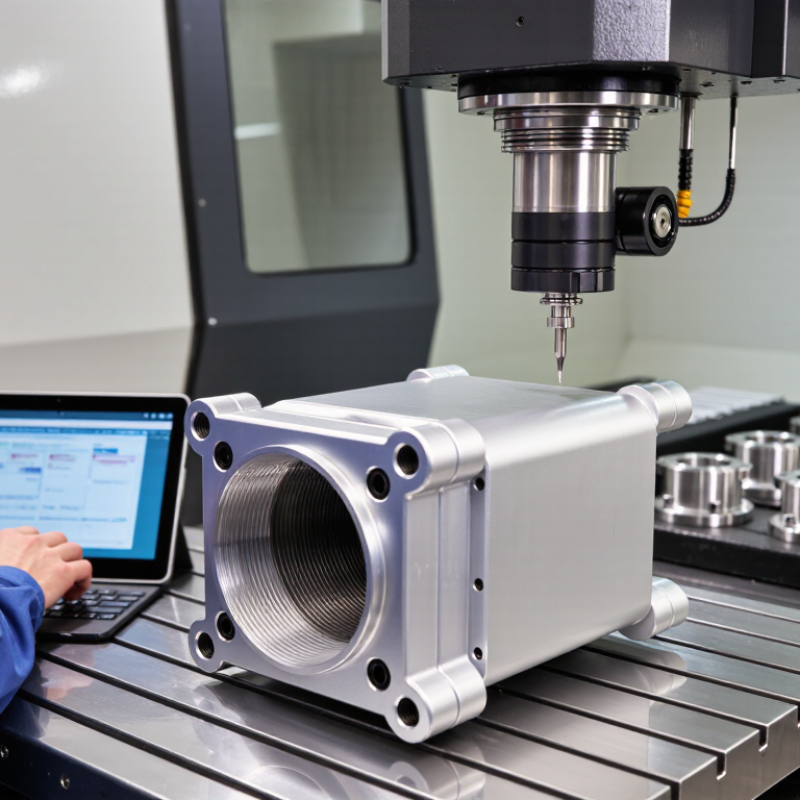
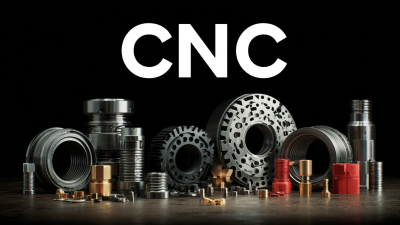
CNC parts are components shaped by computer-controlled machines. CNC means computer numerical control. A digital drawing guides cutting tools with repeatable movements. These parts can be made from aluminum, steel, brass, plastics, and other approved materials. They appear in machinery, medical equipment, vehicles, and industrial systems worldwide.
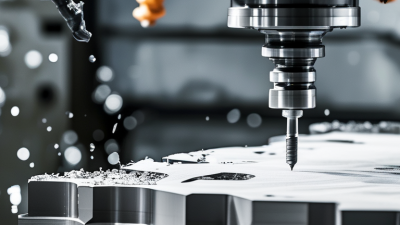
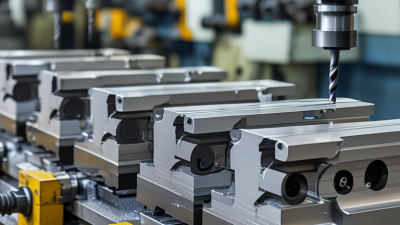
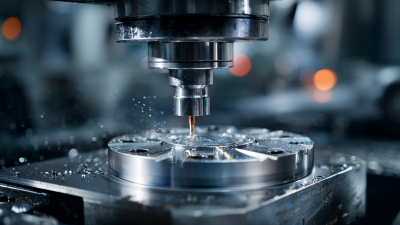
The process usually starts with a CAD model and clear engineering requirements. CAM software converts the model into machine instructions. Operators then secure the material and select suitable tools, speeds, and cutting depths. Milling removes material with rotating cutters, while turning shapes parts on a spinning workpiece. Drilling creates accurate holes, sometimes within very tight tolerances. After machining, technicians inspect dimensions using gauges, calipers, or coordinate measuring equipment. A perfect first cut is not guaranteed. Tool wear, heat, and material movement can still affect accuracy, so experienced teams adjust the process carefully.
Tips: Share complete drawings, material grades, tolerances, and surface requirements. Request a sample when the design is critical. Check inspection records, not only the finished appearance. Leave room for improvement; even a well-tested process may reveal a small issue during production.
| Manufacturing Dimension | What CNC Parts Are | How They Are Made | Typical Technical Characteristics | Global Manufacturing Value |
|---|---|---|---|---|
| Definition | Precision components produced by removing material from a solid workpiece through computer-controlled machining. | A digital CAD model is converted into machine instructions, commonly using G-code, and executed by a CNC machine. | Suitable for prototypes, replacement components, and low-to-high volume production. | Digital files can be transferred between qualified production sites without changing the basic design intent. |
| Common Materials | Aluminum Steel Stainless Steel Brass Engineering Plastics | Material is selected according to strength, corrosion resistance, weight, temperature exposure, wear, and machinability requirements. | Aluminum is lightweight; steel offers high strength; stainless steel provides corrosion resistance; engineering plastics reduce weight and friction. | Standardized material grades and inspection records help support consistent sourcing across different regions. |
| Primary CNC Processes | Parts can be manufactured through milling, turning, drilling, boring, tapping, and related subtractive operations. | Rotating cutting tools remove material from a fixed or moving workpiece. Turning rotates the workpiece, while milling rotates the cutting tool. | Multi-axis machining can produce angled surfaces, complex contours, pockets, holes, and threaded features. | Process selection can be matched to available equipment, part geometry, quantity, and regional production capacity. |
| Dimensional Accuracy | CNC machining is capable of producing repeatable dimensions when the machine, tooling, material, and inspection process are properly controlled. | Accuracy is supported by calibrated machines, tool offsets, workholding, cutting parameters, and in-process or final inspection. | Commercial machining tolerances are often specified around ±0.1 mm, while tighter tolerances may require specialized processes and inspection. | Clear drawings with datum references, tolerances, and measurement methods reduce interpretation differences between manufacturing locations. |
| Surface Finish | The machined surface may be used directly or improved through secondary finishing. | Finish depends on tool geometry, feed rate, cutting speed, workpiece material, machine condition, and post-processing. | Typical machined finishes may be approximately Ra 1.6–3.2 µm, while polishing, bead blasting, anodizing, plating, or coating can change appearance and performance. | Defined finish requirements help maintain functional performance and visual consistency across international supply chains. |
| Design Flexibility | CNC parts can include precision holes, slots, threads, curved profiles, pockets, and complex three-dimensional features. | CAM software generates toolpaths based on the part model, tooling, machine kinematics, and required tolerances. | Designs should account for tool access, internal corner radii, wall thickness, clamping, chip evacuation, and machining direction. | Design-for-manufacturing reviews can reduce rework, shorten production transfers, and improve quotation comparability. |
| Production Volume | CNC machining is suitable for one-off parts, prototypes, pilot runs, replacement parts, and repeat production. | The same verified digital program can be reused, with adjustments for tooling life, material batches, inspection, and machine capability. | It is generally economical for low and medium volumes and can also support larger volumes when cycle time and automation are optimized. | Manufacturers can scale production by adding shifts, machines, automation, or qualified manufacturing locations. |
| Quality Control | Quality is evaluated against engineering drawings, specifications, samples, and inspection plans. | Inspection may use calipers, micrometers, gauges, height gauges, optical systems, or coordinate measuring machines. | Important controls include material verification, first-article inspection, dimensional reports, surface checks, and traceability. | Documented inspection criteria improve supplier comparison and reduce quality risks in cross-border procurement. |
| Lead-Time Factors | Delivery time depends on geometry, material availability, quantity, tolerances, finishing, inspection, and shipping requirements. | The workflow normally includes design review, programming, material preparation, machining, finishing, inspection, and packing. | Simple designs with common materials generally require less processing time than complex parts with tight tolerances and multiple finishes. | Accurate digital specifications and early design approval can reduce communication delays between global teams. |
| Typical Applications | Examples include machine components, fixtures, housings, brackets, shafts, manifolds, prototypes, and repair parts. | Parts are designed to meet requirements for load, fit, movement, sealing, heat transfer, electrical insulation, or corrosion resistance. | Applications span industrial equipment, automation, transportation, medical devices, electronics, energy systems, and consumer products. | A common digital manufacturing method supports consistent component development across multiple industries and locations. |
| Key Advantages | High repeatability, broad material compatibility, design flexibility, measurable quality, and no need for dedicated molds for most parts. | Production is driven by digital instructions, allowing rapid changes without redesigning a permanent forming tool. | Best results require suitable material selection, manufacturable geometry, realistic tolerances, and a documented inspection plan. | CNC parts can help global manufacturers balance quality, customization, supply continuity, and production scalability. |