How to Master Lost Wax Casting for Stunning Artistic Creations?
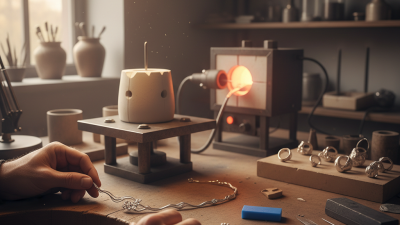
Lost Wax Casting is a captivating technique used for creating intricate artistic pieces. It involves crafting a model in wax, then forming a mold around it. This process is both rewarding and challenging, demanding attention to detail and patience. Artists find joy in translating their visions into tangible forms.
Practicing Lost Wax Casting allows for endless exploration. Each piece may have imperfections, reminding creators that art is an evolving journey. The delicate balance between control and spontaneity can lead to surprising results, both good and bad. Embracing these nuances helps refine techniques and pushes artistic boundaries.
As you delve into Lost Wax Casting, expect to learn from your mistakes. Some creations may not turn out as planned, and that’s perfectly okay. These moments teach resilience and adaptability. The process is as important as the final artwork. Enjoy the experience, and let your creativity shine.
Understanding the Basics of Lost Wax Casting Technique
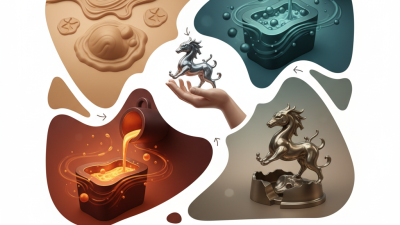
Lost wax casting, also known as investment casting, is an ancient technique. It transforms wax models into stunning metal pieces. The process begins with creating a detailed wax model of your design. This model must be precise. Any imperfection in the wax will reflect in the final piece.
After the model is made, it is covered with a heat-resistant material. This material forms a mold when heated. Once the mold is set, the wax is melted out, leaving a hollow space. Then, molten metal is poured into the mold. It fills the cavity and takes on the shape of the wax model.
**Tips**: Always double-check your wax model. Small imperfections can lead to larger issues later. Consider experimenting with different mold materials. They can affect the finish of your piece. Patience is key in this technique. It may take several attempts to perfect your process, and that’s okay. Reflection helps you improve. Embrace the flaws in your initial pieces; they are learning experiences.
Essential Materials and Tools for Lost Wax Casting Projects
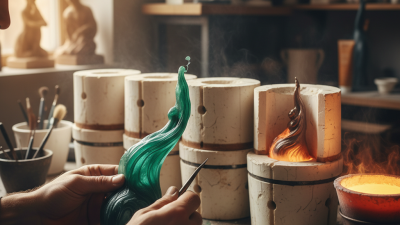
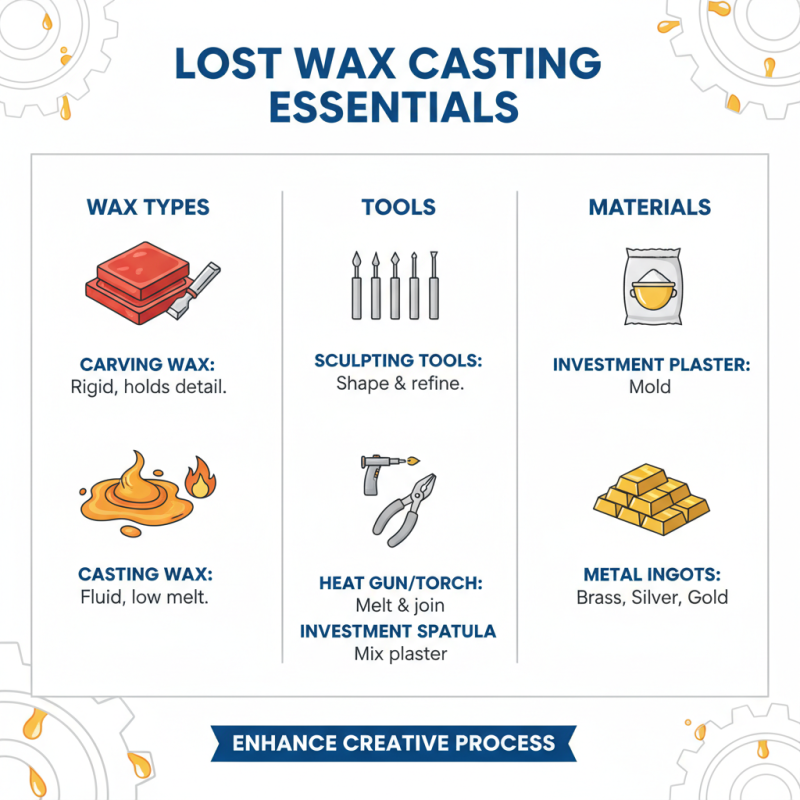
Lost wax casting is an intricate art form that requires specific materials and tools. Understanding these essentials will greatly enhance your creative process. You’ll need various wax types, such as carving wax and casting wax, to create the original model. The flexibility and melt point of these waxes can affect your final creation significantly. Don’t underestimate the importance of choice here.
Additionally, investing in good-quality tools is crucial. A detailed set of sculpting tools will help you refine your wax models. You might want to include a small heat gun to manipulate the wax easily. Wax working often involves trial and error, so having tools that fit your style is important. You will likely encounter challenges, such as imperfections in your mold or wax. Embrace these moments as they can lead to unexpected creative breakthroughs.
Another key material is the investment material, often a fine ceramic or plaster. This creates the mold for your cast. Mixing these materials properly can be tricky. Some artists struggle with achieving the right consistency. It’s worth experimenting to find what works for you. Remember, each step in lost wax casting presents opportunities for learning and refining your technique.
Step-by-Step Process of Creating a Wax Model
Creating a wax model is an art form that requires precision and creativity. The first step involves sculpting a detailed design. Artists often use tools like knives and brushes to achieve intricate shapes. According to industry reports, around 70% of successful wax models begin with a well-thought-out plan. However, many beginners rush this step, leading to less favorable outcomes.
Once the model is sculpted, a mold is made around it. This ensures that the final cast holds all the details of the original design. Applying a release agent is crucial at this stage. It's a small but vital step; neglecting it can ruin the mold. Surprisingly, around 40% of amateur artists skip this step, resulting in frustrating failures.
After the mold sets, the wax is poured in. Maintaining the right temperature is critical; too hot can distort the model. A report noted that 30% of practitioners faced challenges due to incorrect temperatures. Patience and careful monitoring play a significant role here. Wax modeling demands consistent practice. Each attempt teaches something new, revealing both strengths and weaknesses.
Mastering Lost Wax Casting: Time Investment vs. Skill Growth
This chart illustrates the average hours spent on practice for each skill level in lost wax casting. As one progresses from beginner to expert, the time investment increases significantly, highlighting the dedication required to master this artistic process.
Mold Making and Investment Casting Techniques Explained
Lost wax casting is an ancient technique that creates intricate designs. It involves several key steps, particularly mold making and investment casting. The process starts with creating a positive model. This model can be made from wax or other materials. Once the model is prepared, a mold is created around it, capturing every detail.
Mold making can be challenging. Ensuring that the mold captures all features is crucial. Use materials that allow for fine details. Remember, imperfections in the mold will translate to the final piece. Some beginners overlook this, leading to disappointment.
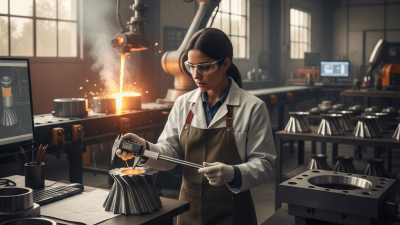
When it comes to investment casting, choose your investment material wisely. This material needs to withstand high temperatures. Mixing the investment material properly is vital. Uneven mixtures can cause surface issues on your final cast. Always inspect your work carefully before pouring the molten metal.
Tips: Pay attention to temperature control during the casting process. If it's too hot or too cold, the result can be flawed. Small changes can make a big difference in the final outcome. Always learn from mistakes; they can guide you to improvements. Adjust your techniques based on previous experiences. Each failed attempt brings you closer to mastery.
Finishing and Polishing Your Casted Artistic Creations
Finishing and polishing are crucial stages in the lost wax casting process. After casting, your pieces may appear rough and unrefined. It's essential to spend time cleaning up these imperfections. Start by using a metal file to smooth out any sharp edges or uneven surfaces. This step is often overlooked, but it makes a significant difference in the final look.
Once you’ve filed the rough areas, move on to sanding. Begin with a coarse sandpaper to eliminate any noticeable blemishes. Gradually transition to finer grits for a polished finish. This process can be tedious. You might find some areas don’t smooth out as expected. In those moments, be patient and assess what could be improved.
After sanding, it’s time for polishing. This is where your creation can truly shine. Hand polish using a soft cloth can bring out the details. Alternatively, you might consider using a buffing machine for a more professional finish. However, be cautious; over-polishing can remove intricate details. Remember, every piece will have its flaws. Embrace them, and use the imperfections to guide your next creation.