Why Choose Metal Parts Manufacturing for Your Global Supply Needs?
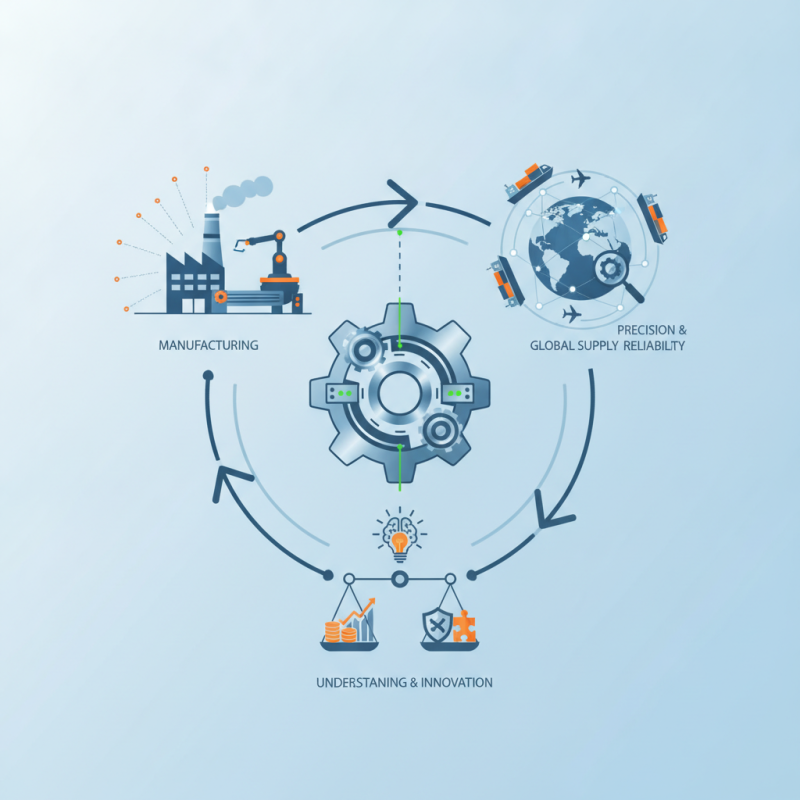
In today's globalized economy, industries rely heavily on efficient supply chains. As companies seek innovative solutions, "Metal Parts Manufacturing" has emerged as a key player in meeting these needs. Renowned expert Dr. Emily Carter, a leader in manufacturing technologies, states, "Precision and reliability define the success of metal parts in global supply chains." This highlights the critical role of quality in metal components.
The advantages of Metal Parts Manufacturing are profound. With advanced techniques, companies can produce durable and precise components. This sector offers unmatched customization and scalability. Yet, challenges arise in maintaining quality control and managing costs. A supplier’s reputation can hinge on these factors, making careful selection crucial.
Choosing Metal Parts Manufacturing can streamline production processes. However, businesses must navigate complexities like material selection and supplier relationships. A balanced approach ensures quality without compromising efficiency. In a world that demands excellence, companies must enhance their understanding of metal production to thrive.
Advantages of Metal Parts Manufacturing in Global Supply Chains
Metal parts manufacturing offers significant advantages for global supply chains. The industry's ability to produce durable and precise components makes it a preferred choice. According to a report from the International Organization for Standardization, around 13% of manufacturing costs are attributed to the supply chain management. This highlights the importance of efficiency in production processes.
Reliability is key in metal parts manufacturing. The use of advanced technologies, such as CNC machining and 3D printing, ensures consistency in product quality. In a recent survey by the Manufacturing Institute, 75% of companies reported improved delivery times when they integrated metal parts into their supply chains. This speed can lead to enhanced customer satisfaction and lower operational costs.
Despite these benefits, challenges remain. Companies must continually assess their supply chain strategies. Fluctuations in raw material prices can impact production costs. A report by Deloitte indicates that 40% of manufacturers face supply chain disruptions during global crises. Maintaining flexibility and adaptability is essential for firms to thrive in a dynamic market landscape.
Quality Control Measures in Metal Parts Production
Quality control is vital in metal parts manufacturing. It ensures products meet specifications and standards. According to a report by the International Organization for Standardization (ISO), companies that focus on quality control can reduce production costs by up to 30%. This highlights the value of investing in rigorous quality measures.
Implementing quality control involves several key steps. Regular inspections at different stages help detect defects early. Advanced technologies, like automated systems and data analytics, can enhance inspection accuracy. In a recent study, manufacturers utilizing automated quality controls reported a 15% increase in efficiency. Still, challenges remain. Not all manufacturers adopt these practices, leading to inconsistencies in product quality.
Tips: Always prioritize training for quality control personnel. Knowledgeable staff can make better decisions during inspections. Additionally, invest in the latest technology to improve inspection processes. A well-rounded approach to quality control can lead to improved trust with suppliers and clients alike. Remember, the goal is not just compliance, but excellence.
Sustainability Practices in Metal Parts Manufacturing
Metal parts manufacturing has seen significant progress in sustainability practices. Many manufacturers have adopted eco-friendly materials and processes. According to a report by the Global Metal Industry Association, over 70% of metal manufacturers are now focusing on reducing their carbon footprints. This includes using recycled metals, which can lower energy consumption by up to 95% compared to virgin materials.
Moreover, energy-efficient technologies are increasingly being integrated into production lines. For example, advanced machining techniques minimize waste while maximizing precision. The use of renewable energy sources, like solar and wind, is also on the rise. A recent survey revealed that about 50% of manufacturers are investing in renewable energy to power their operations. However, challenges remain. While some companies have made strides, others lag behind in adopting sustainable practices.
Additionally, the life cycle of metal parts is crucial. Many producers are beginning to evaluate their products' entire life spans. This includes assessing the impact during the manufacturing phase and after the product's end of life. A 2022 report indicated that only 35% of companies actively engage in such evaluations. This gap highlights the need for ongoing improvement. The industry must focus not just on production efficiency but also on environmental responsibility.
Future Trends in Metal Parts Supply and Production
The metal parts manufacturing industry is evolving rapidly. Automation and advanced technology play crucial roles in shaping its future. Companies are exploring new materials and innovative processes. This shift aims to improve efficiency and reduce costs. As industries seek sustainable solutions, metal parts will need to adapt.
Supply chain dynamics are also changing. Globalization invites challenges but offers opportunities. Companies now face pressure to cut lead times while maintaining quality. They must anticipate customer needs and respond quickly. This requires strong partnerships with reliable suppliers. The demand for flexibility in production is growing. Customization will become more prevalent.
Manufacturers must re-evaluate their strategies. Some processes may no longer be effective. There is a need for continuous improvement. Sustainability is critical. More manufacturers are focusing on eco-friendly practices. Efficient waste management and resource utilization will gain importance. These shifts are not just trends; they are essential for future survival. Addressing these challenges will require innovation and a commitment to quality.
Why Choose Metal Parts Manufacturing for Your Global Supply Needs? - Future Trends in Metal Parts Supply and Production
| Dimension |
Value |
Future Trend |
| Cost Reduction |
Up to 30% decrease |
Adoption of AI in production |
| Lead Time |
Reduced by 20% |
Increased use of 3D printing |
| Global Demand Growth |
5% annual increase |
Expansion into emerging markets |
| Customization |
Higher flexibility |
Mass customization techniques |
| Sustainability |
Increased recycling rates |
Green manufacturing practices |
| Supply Chain Transparency |
Real-time tracking |
Blockchain technology integration |