Top Metal Parts Manufacturing Solutions for Global Buyers?
In today's competitive landscape, Metal Parts Manufacturing plays a crucial role for global buyers. Companies require precise, durable, and efficient parts for their operations. This demand highlights the necessity of selecting the right manufacturing solutions.
Manufacturers face various challenges, from cost pressures to quality assurance. Buyers need reliable partners to navigate these complexities. Many firms struggle with supply chain issues, leading to delays and increased expenses. Understanding these challenges helps buyers make informed decisions.
Additionally, the quest for innovation is essential in Metal Parts Manufacturing. Continuous improvement in techniques and materials can drive superior outcomes. Global buyers must be proactive in seeking out advanced solutions. A careful evaluation of manufacturers can lead to fruitful partnerships. Ultimately, it is about building lasting relationships that inspire growth and success.
Overview of Metal Parts Manufacturing in a Global Market
In the global market, metal parts manufacturing is evolving rapidly. Countries compete to produce high-quality components. Advanced technologies, like CNC machining and additive manufacturing, enhance production efficiency. These methods allow for more complex designs with tight tolerances. However, affordability remains a challenge. Many manufacturers struggle with rising costs and fluctuating material prices.
Global buyers seek reliable partners who prioritize quality and sustainability. It is crucial for manufacturers to adopt eco-friendly practices. Reducing waste and improving energy efficiency can set companies apart. Not every manufacturer succeeds in this regard, leading to concerns about environmental impact. A balance between cost and quality is often difficult to achieve.
Communication plays a vital role in international transactions. Misunderstandings can arise due to language barriers or cultural differences. Establishing clear expectations can mitigate these issues. Buyers typically prefer suppliers that demonstrate transparency in their processes. Yet, not all manufacturers provide this level of clarity. Continuous improvement is essential for those wanting to thrive in a competitive landscape.
Key Factors Influencing Metal Parts Manufacturing Solutions
In the world of metal parts manufacturing, multiple factors play a vital role. Quality control is paramount. Ensuring each component meets strict specifications can be a challenge. Variability in raw materials often leads to inconsistencies. Companies need to invest in robust testing mechanisms to monitor quality throughout the production process.
Another key factor is technology. Advanced machinery and automation can enhance efficiency and accuracy. However, reliance on technology requires skilled personnel. Finding workers who are both knowledgeable and trained can be difficult. Investing in ongoing training programs can bridge this gap, yet not every company prioritizes this.
Supply chain management also influences manufacturing solutions. Delays in material sourcing can halt production. Companies must establish reliable partnerships with suppliers. Building strong relationships can create a more resilient supply chain. Yet, the unpredictable nature of global markets can complicate these efforts. Companies must remain flexible to adapt to changing conditions.
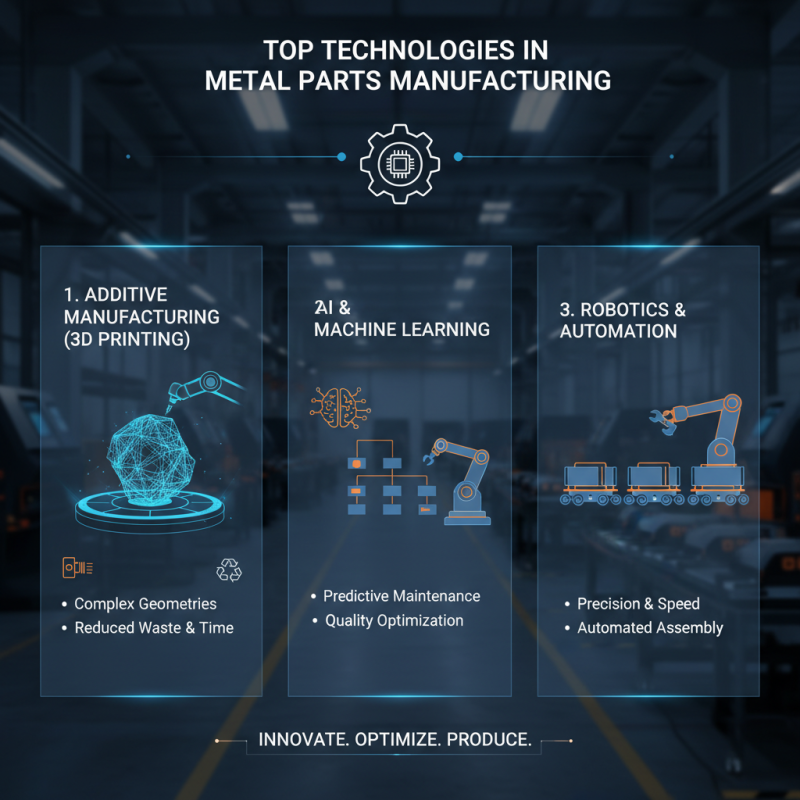
Top Technologies in Metal Parts Manufacturing
In the metal parts manufacturing sector, innovative technologies shape efficiency and quality. Additive manufacturing, known as 3D printing, is revolutionizing this field. It allows for the creation of complex geometries that traditional methods can’t achieve. This process decreases material waste and can significantly cut production times. However, its adoption requires a shift in mindset and careful consideration of design parameters.
CNC machining remains a cornerstone in metal fabrication. This technology ensures precision and repeatability, which are critical for high-stakes industries like aerospace. Many manufacturers face challenges in balancing cost with quality. The skill level of operators greatly influences outcomes. Training and experience are essential. Some firms struggle to maintain a skilled workforce, impacting their competitive edge.
Laser cutting technology also plays a vital role. It provides high accuracy and speed, allowing for intricate designs in thin materials. However, investing in laser systems can be daunting for smaller companies. The initial capital outlay might lead to hesitation. Yet, those who embrace these advancements can enhance productivity. It is important for manufacturers to continually assess their processes. Otherwise, they risk falling behind in a rapidly evolving market.
Leading Manufacturers and Their Capabilities Worldwide
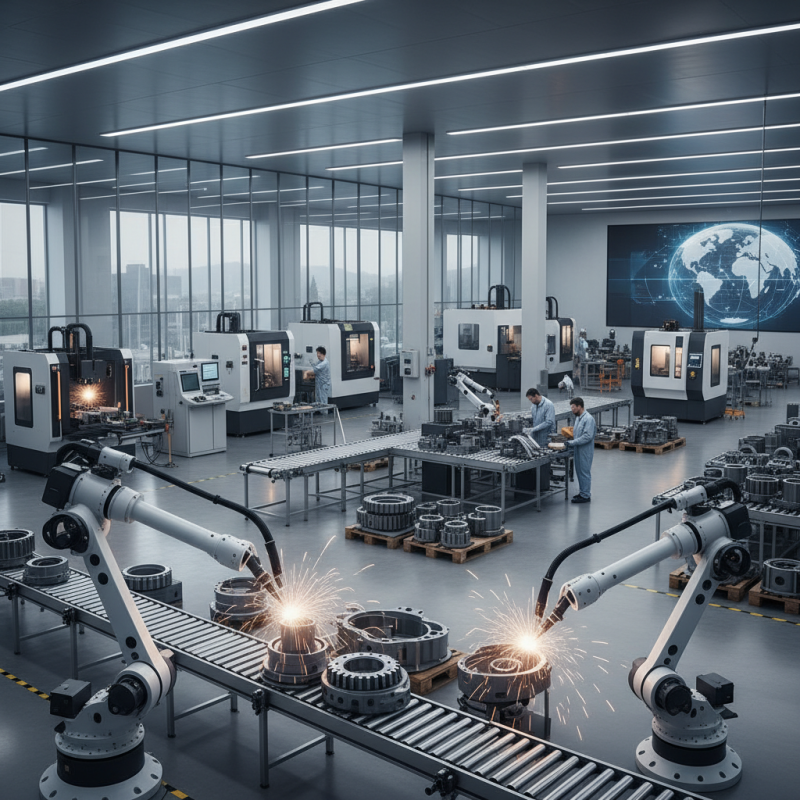
In today's global market, the demand for metal parts is rapidly increasing. Various manufacturers offer specialized solutions to meet this need. Many of these companies have invested in advanced technologies, enhancing production efficiency. They employ robotic automation and precision machinery to deliver high-quality products consistently. This approach reduces human error and improves turnaround time.
Expertise in metallurgy is vital. Some manufacturers focus on specific alloys for unique applications. This specialization allows them to cater to diverse industries, including automotive, aerospace, and electronics. Their ability to adapt materials to specific standards can significantly improve product performance. However, reliance on advanced tech can sometimes lead to challenges. Not all manufacturers maintain the same level of innovation and quality control.
It's important for buyers to assess a manufacturer's capabilities thoroughly. Some firms may lack experience in working with specific alloys or processes. This gap can affect overall production quality. Transparent communication is key. Buyers should inquire about production methods and quality assurance practices. Building a strong partnership with a reliable manufacturer can lead to successful outcomes.
Trends and Challenges in the Global Metal Parts Industry
The global metal parts industry is facing significant trends and challenges. According to a recent report by MarketWatch, the industry is expected to reach a value of
$500 billion by 2031, reflecting a compound annual growth rate (CAGR) of 4.5%. This growth is driven by rising demand in sectors like automotive and aerospace. However, while opportunities increase, so do the complexities.
Supply chain disruptions remain a pressing challenge. The COVID-19 pandemic exposed vulnerabilities, leading to delays and cost hikes. Many manufacturers are now reassessing their strategies. They are investing in localized production to mitigate risks. A study from Deloitte reveals that
75% of companies plan to diversify their supplier bases to enhance resilience. Additionally, the shift toward sustainability is reshaping manufacturing processes. Companies must adopt greener practices to meet regulatory standards and consumer demand.
Emerging technologies like artificial intelligence and automation are transforming production efficiency. Yet, the integration of such technologies poses its own set of hurdles. Skilled labor shortages and high initial costs can deter smaller manufacturers from adopting these innovations. Companies need to navigate these complexities while striving for competitiveness in a rapidly evolving market landscape. The journey towards modernization is not without its obstacles, but the potential rewards can be substantial.