What is Silica Sol Precision Casting and Its Benefits?
In the world of manufacturing, Silica Sol Precision Casting stands out. Experts like Dr. James Taylor, a leading authority in casting technology, highlight its advantages. He states, “Silica sol casting improves surface finish and reduces machining costs.”
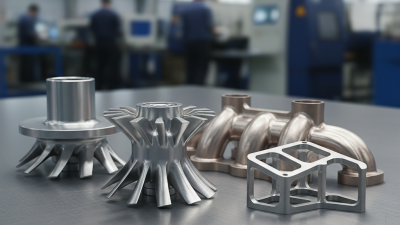
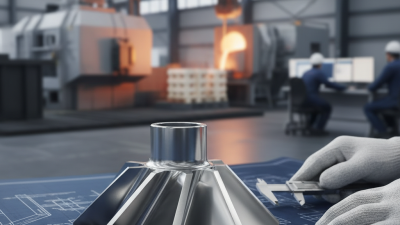
Silica Sol Precision Casting involves utilizing a silica sol binder to create molds for metal casting. This method allows for intricate designs and precise dimensions. The process produces high-quality parts with excellent detail. It is particularly beneficial in industries such as aerospace and automotive, where precision is critical.
However, the technology is not without its challenges. Certain materials can be difficult to work with, and the cost of silica sol can be higher than traditional methods. Manufacturers must weigh these factors carefully. Despite this, the potential benefits in terms of durability and finish make Silica Sol Precision Casting a compelling choice for many. As industry standards evolve, this method is likely to gain even more acceptance.
What is Silica Sol Precision Casting?
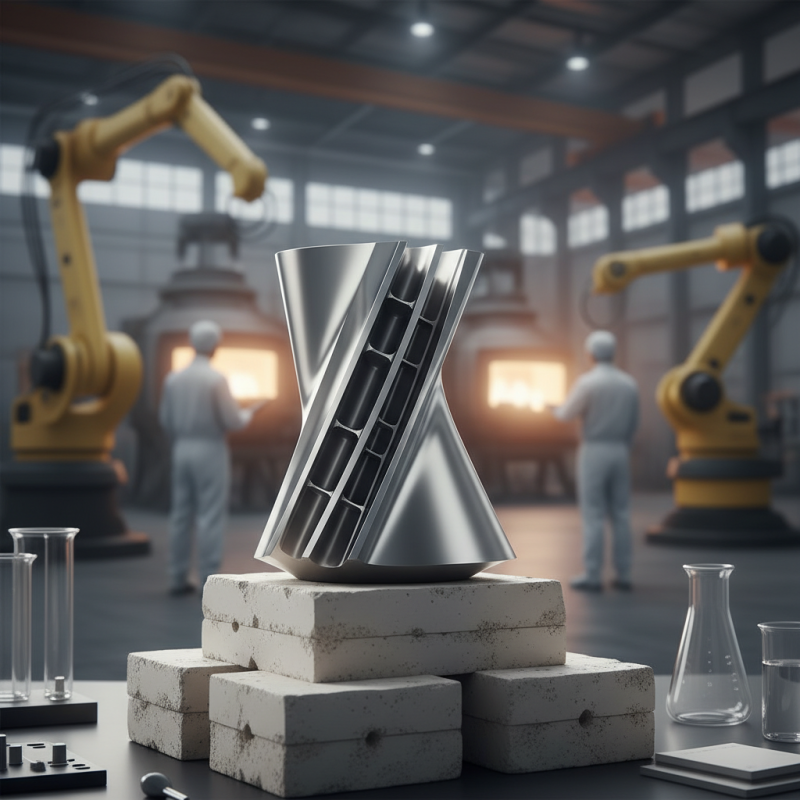
Silica sol precision casting is an advanced technology that utilizes a silica sol as a binding agent. This method allows for the creation of high-precision metal components with intricate designs. The process involves creating a mold from a silica sol, which provides excellent dimensional accuracy and a smooth surface finish. According to industry reports, this precision casting method can achieve tolerances as tight as ±0.1 mm.
The benefits of silica sol precision casting are numerous. It produces parts resistant to thermal distortion and allows for better replication of complex geometries. Industries such as aerospace and medical technology rely on this method due to its reliability. A report by the International Journal of Advanced Manufacturing Technology highlights its effectiveness in producing lightweight, durable components essential for high-performance applications.
Tips: When considering this casting method, assess your design complexity. Keep in mind the advantages of reduced post-processing work. Ensure that your designs are optimized for the casting process to avoid common pitfalls, such as shrinkage. Silica sol precision casting promises significant benefits, but successful implementation requires careful planning and design consideration.
The Manufacturing Process of Silica Sol Precision Casting
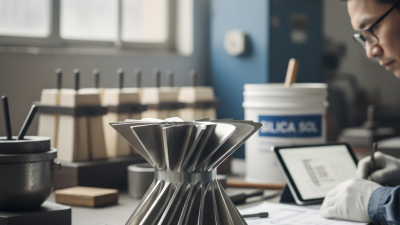
Silica sol precision casting represents a cutting-edge technique in manufacturing highly intricate components. This method begins with creating a pattern, typically made of wax or metal. The pattern is coated with a fine silica sol layer. This coating process involves multiple dips to achieve the desired thickness and strength. A key benefit is the ability to produce complex shapes with tight tolerances.
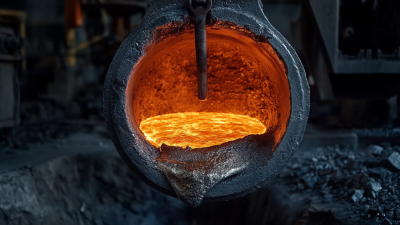
After coating, the pattern undergoes a controlled drying process. This phase is crucial, as it ensures that the silica sol adheres properly. Once dried, the coated pattern is heated, causing the wax to melt away if a wax pattern is used. This leaves a hollow mold that captures every detail. Liquid metal is then poured into this mold, filling the intricate shapes.
However, the precision of this casting method might not be suitable for every application. Some industries may require thicker walls or different material properties. Fine adjustments are often necessary to align the process with specific manufacturing needs. Understanding these nuances can enhance the overall efficiency and effectiveness of the casting process.
Silica Sol Precision Casting Process
Key Advantages of Silica Sol Precision Casting
Silica sol precision casting offers several notable advantages that make it a preferred method in various industries. This technique uses a silica sol binder, resulting in a smooth surface finish and high dimensional accuracy. Fine details are preserved in the final product, which is crucial for intricate designs found in aerospace and medical applications.
Another key benefit is its capacity to create complex geometries. Silica sol casting allows manufacturers to produce thin-walled components that would be difficult to achieve with traditional methods. This efficiency can lead to weight reductions in products, enhancing usability and performance. Additionally, the casting process generates less waste, promoting a more sustainable approach.
However, there are challenges that need consideration. The initial setup for silica sol casting can be more expensive than other methods. This may deter some small businesses or startups. It’s essential to evaluate the cost against the benefits for specific projects. Ultimately, while silica sol precision casting has evident strengths, careful planning is necessary to maximize its potential.
Applications of Silica Sol Precision Casting in Industry
Silica sol precision casting is revolutionizing various industries. It offers unique benefits, making it desirable for several applications. One significant area is the aerospace sector. Here, it allows for the production of lightweight and complex components. These parts need to meet strict safety standards. The precision accomplished through silica sol casting minimizes waste and enhances performance.
Another notable application is in the automotive industry. Silica sol casting produces high-strength parts with intricate designs. This casting method is beneficial for producing engine components that require excellent dimensional accuracy. It supports the need for fuel efficiency and durability in vehicles. However, the costs involved can be a concern for manufacturers looking to optimize their budgets.
Tips: When considering silica sol precision casting, assess the material compatibility with your project. Test samples are crucial for understanding how the casting will perform under specific conditions. Collaborate with experienced professionals who understand the nuances of the casting process. It is essential to evaluate the potential trade-offs in both cost and quality.
Comparing Silica Sol Casting with Other Casting Methods
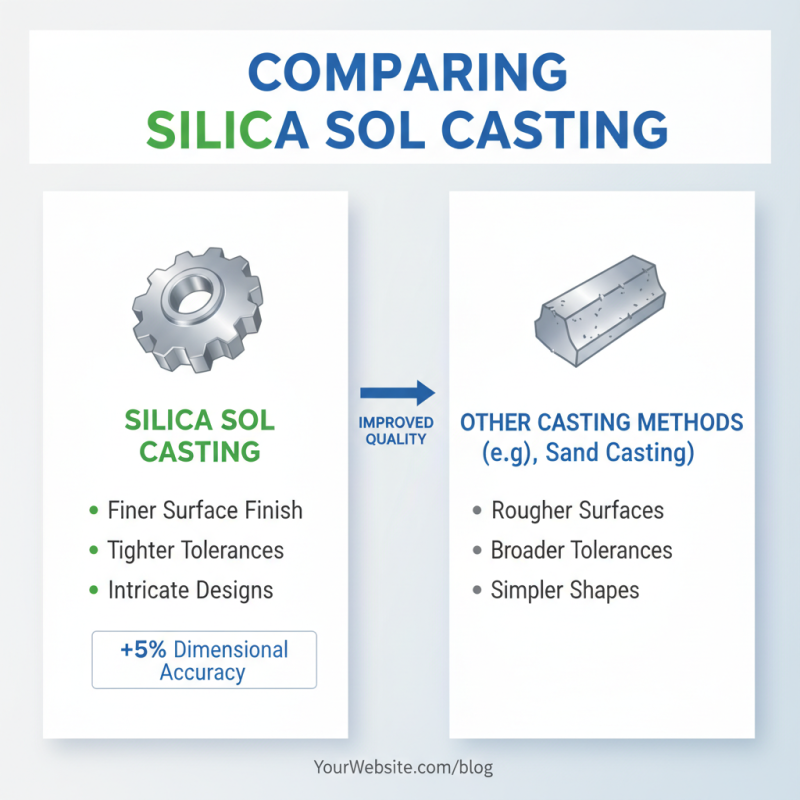
Silica sol precision casting stands out among various casting methods due to its unique characteristics. Compared to sand casting, silica sol offers finer surface finishes and tighter tolerances. The process involves using a silica sol binder, allowing for intricate designs that traditional sand molds cannot achieve. Industry reports indicate that silica sol casting can improve dimensional accuracy by up to 5% when compared to conventional methods.
Additionally, the casting process can result in reduced material waste. Unlike investment casting, which may require additional machining, silica sol allows for near-net shape production. This not only minimizes waste but also speeds up production times. Studies show that companies using silica sol casting reported a 20% reduction in production lead times.
However, there are challenges. The initial setup costs for silica sol systems can be high. The need for specialized equipment and training may deter some manufacturers. Yet, as the industry evolves, these barriers are likely to shift. Continuous improvement efforts in silica sol technology could make it more accessible. Understanding these nuances is crucial for decision-makers in the casting industry.