What is Stainless Steel Parts and Their Benefits for Buyers?
Stainless steel parts are essential components in various industries. They are known for their durability and resistance to corrosion. This makes them ideal for both industrial and consumer applications. Buyers often seek these parts for projects ranging from construction to household items.
The benefits of stainless steel parts go beyond just strength. They also offer aesthetic appeal and longevity. For manufacturers, this can lead to lower maintenance costs and increased product life. However, buyers may sometimes overlook the complexity of choosing the right grade of stainless steel. The right type can significantly impact performance.
With numerous options available, it's crucial to understand specific requirements. Not all stainless steel parts fit every application. Understanding these nuances can improve decision-making. It is essential to consult trusted suppliers who can provide expertise and recommendations based on actual needs.
Definition and Composition of Stainless Steel Parts
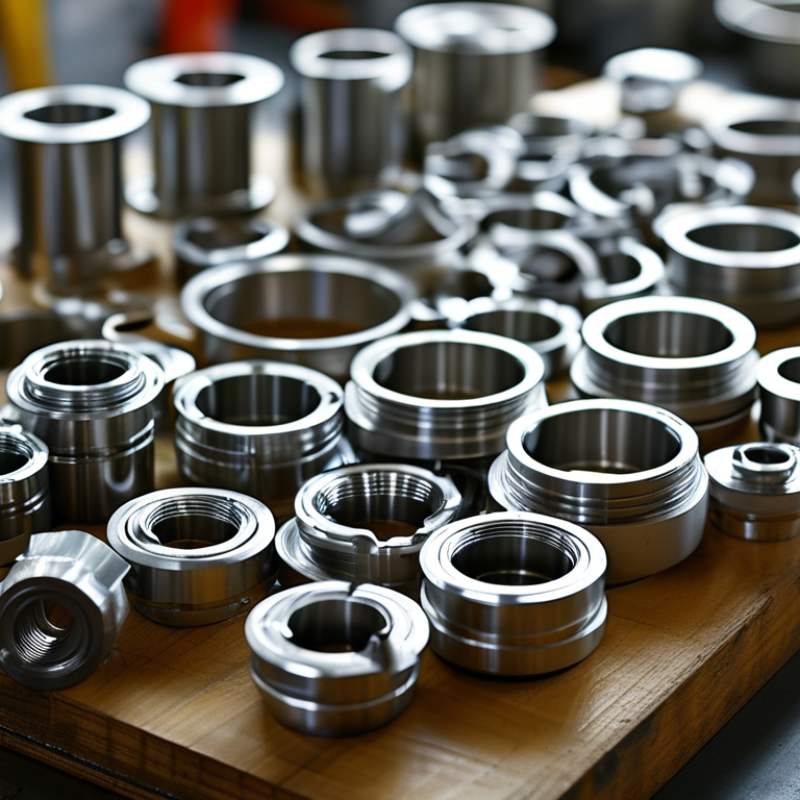
Stainless steel parts are essential in various industries due to their unique characteristics. To understand this material better, we need to explore its definition and composition. Stainless steel is primarily an alloy of iron, chromium, and sometimes nickel. It's the chromium content that gives stainless steel its corrosion resistance. This feature is vital in applications where metal exposure to moisture and chemicals is inevitable.
The precise composition can vary depending on the specific grade of stainless steel. For instance, including nickel increases ductility, while molybdenum enhances corrosion resistance, particularly in saline environments. This intricate balance of elements makes stainless steel remarkably versatile. However, not every application can fully leverage these benefits. Potential drawbacks include higher cost compared to other metals and challenges in welding and fabrication.
Additionally, maintaining stainless steel involves regular cleaning to prevent surface staining. Buyers must remain aware of these factors. While its advantages often outweigh the challenges, understanding these intricacies fosters better decision-making in material selection. Each application may require a tailored approach to maximize the benefits of stainless steel.
Common Uses of Stainless Steel Parts Across Industries
Stainless steel parts have found extensive applications across various industries, offering unmatched durability and resistance to corrosion. The automotive sector heavily relies on stainless steel components for exhaust systems and structural parts. According to industry reports, approximately 18% of automotive parts use stainless steel, making it a crucial material in vehicle manufacturing.
In the construction industry, stainless steel is favored for its aesthetic appeal and strength. Handrails, roofing, and facades often utilize stainless steel for added elegance and long-term performance. The food and beverage industry also benefits from stainless steel's non-reactive properties. It ensures hygiene and safety, which are vital for processing equipment.
Tip: When selecting stainless steel parts, consider the grade based on specific applications. Different grades like 304 or 316 offer unique benefits suited to different environmental conditions.
Despite its advantages, stainless steel can be more expensive than other materials. Buyers should weigh the longevity and lower maintenance costs against the initial investment. Look for suppliers who provide clear specifications and material certifications to ensure quality.
In the medical industry, stainless steel is indispensable. Surgical instruments and implants often use it due to its biocompatibility and resistance to sterilization processes. As the demand for stainless steel parts increases, understanding its diverse applications becomes critical for informed purchasing decisions.
Key Benefits of Stainless Steel Parts for Buyers
Stainless steel parts offer various advantages for buyers across multiple industries. These materials are recognized for their impressive resistance to corrosion and rust. According to a report by the International Stainless Steel Forum, over 70% of stainless steel is used in applications needing durability and longevity. This factor alone makes stainless steel a reliable choice in construction, automotive, and medical sectors.
Another vital benefit is their ease of maintenance. Stainless steel surfaces can be cleaned easily, resulting in lower cleaning costs. Reports suggest that companies using stainless steel parts can save up to 30% on maintenance costs compared to those using traditional materials. Durability also plays a role; stainless steel parts can withstand extreme temperatures and pressures, making them suitable for diverse environments.
While the initial investment may be higher, the long-term savings and performance justify the cost. Some buyers may hesitate due to concerns regarding the manufacturing process. However, advancements in technology have significantly improved production efficiency. A careful consideration of these factors can lead to informed purchasing decisions that enhance operational reliability.
What is Stainless Steel Parts and Their Benefits for Buyers? - Key Benefits of Stainless Steel Parts for Buyers
| Benefit |
Description |
Applications |
| Corrosion Resistance |
Stainless steel offers excellent resistance to rust and corrosion, making it ideal for use in harsh environments. |
Marine, chemical processing, food production. |
| Durability |
Highly durable and strong, stainless steel parts can withstand heavy loads and impacts. |
Construction, automotive, aerospace. |
| Low Maintenance |
Requires minimal maintenance compared to other materials, lowering long-term costs. |
Industrial machinery, home appliances. |
| Aesthetic Appeal |
Stainless steel has a modern and sleek appearance that enhances product design. |
Architecture, kitchenware, decorative items. |
| Recyclability |
100% recyclable, contributing to sustainability and reducing environmental impact. |
Environmental applications, manufacturing. |
Factors to Consider When Purchasing Stainless Steel Parts
When purchasing stainless steel parts, several factors demand careful consideration. The type of stainless steel alloy you choose is critical. Different alloys exhibit varying properties, such as corrosion resistance and strength. For instance, 304 stainless steel is highly corrosion-resistant, while 316 is better suited for marine environments. Your intended application will dictate the appropriate choice of alloy.
Understanding the dimensions and specifications is equally important. Precision in size ensures that parts fit seamlessly in their designated applications. Overlooking tolerances can lead to complications during assembly. Additionally, the surface finish of the parts should match the requirements of your project. Some applications may call for a polished finish, while others may benefit from a rougher texture for better adhesion.
Finally, consider the reliability of the supplier. Researching potential vendors is essential. Look for reviews and testimonials. A supplier with a solid reputation is more likely to provide high-quality materials. Don't rush your decision. Taking the time to evaluate these factors can lead to better outcomes.
Maintenance Tips for Extending the Life of Stainless Steel Parts
Maintaining stainless steel parts can significantly enhance their lifespan and performance. The Material Research Society reports that proper care can extend the life of stainless components by up to 50%. Regular cleaning is a fundamental step. Use mild soaps and soft cloths to avoid scratches. Harsh chemicals can lead to pitting and corrosion. A simple solution is to rinse with water and dry immediately. This practice removes contaminants effectively.
Another critical aspect is avoiding abrasive materials. Steel wool or scouring pads can scratch the surface, weakening the metal over time. It's advisable to use non-abrasive sponges and cloths. Regular inspections for rust or discoloration can help identify issues early. According to the Stainless Steel Advisory Board, early detection of rust leads to simpler repairs. While stainless steel is resistant to corrosion, it still requires attention to maintain its luster.
Lastly, storing stainless steel parts in dry conditions prevents moisture buildup. Even though stainless steel is durable, exposure to humidity can encourage corrosion. When parts are not in use, consider wrapping them in protective covers. This can further minimize exposure to harsh elements. Being proactive with maintenance will ensure longevity and functionality.