What is Steel Machining and How Does it Impact the Manufacturing Industry?
Steel machining is a critical process in the manufacturing industry. It involves the precision shaping and cutting of steel to meet specific design requirements. According to a recent report by the International Federation of Robotics, the demand for advanced steel machining techniques is expected to grow by 7% annually. This growth reflects the increasing complexity of manufacturing processes across various sectors.
The impact of steel machining extends beyond production efficiency. It directly influences product quality, cost-effectiveness, and overall competitiveness. Manufacturers are adopting state-of-the-art machinery and techniques to enhance their capabilities. A study by McKinsey & Company indicates that companies investing in automated steel machining processes can reduce operational costs by as much as 20%. However, not all manufacturers achieve these efficiencies, highlighting the need for continuous improvement and adaptation.
Challenges remain in the industry, such as skill gaps and the need for better training programs. The reliance on outdated machinery also poses risks to productivity. As the industry evolves, stakeholders must address these issues to fully leverage the potential of steel machining. The path forward requires commitment to innovation and workforce development in this vital sector.
Understanding the Basics of Steel Machining Processes
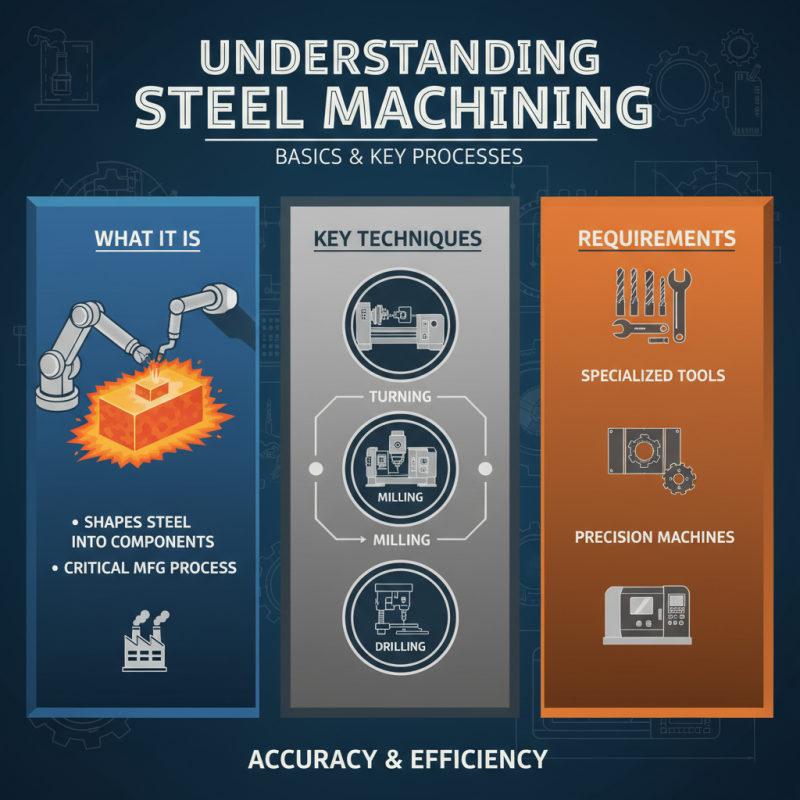
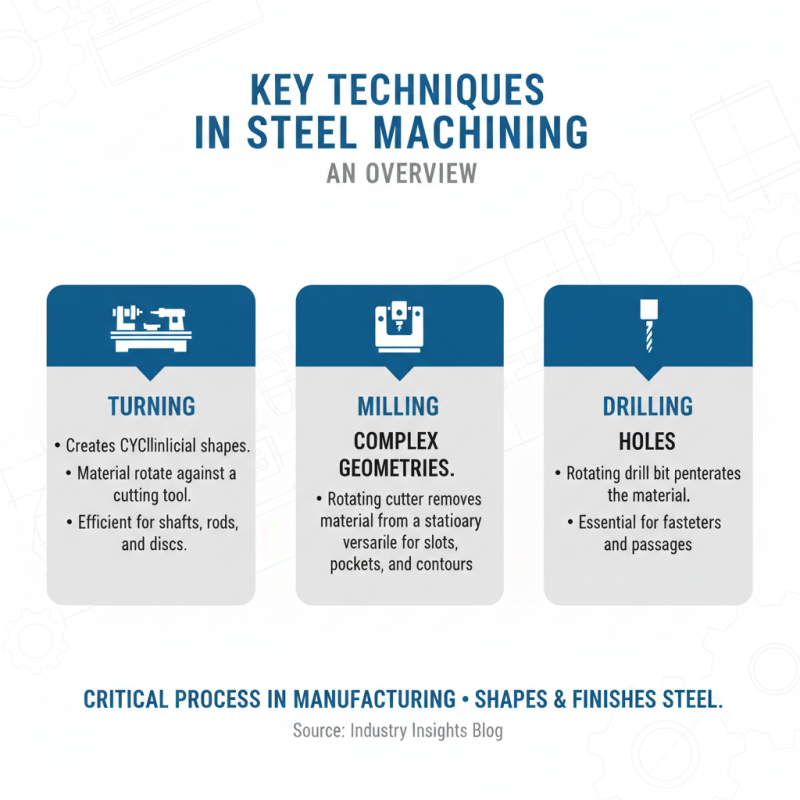
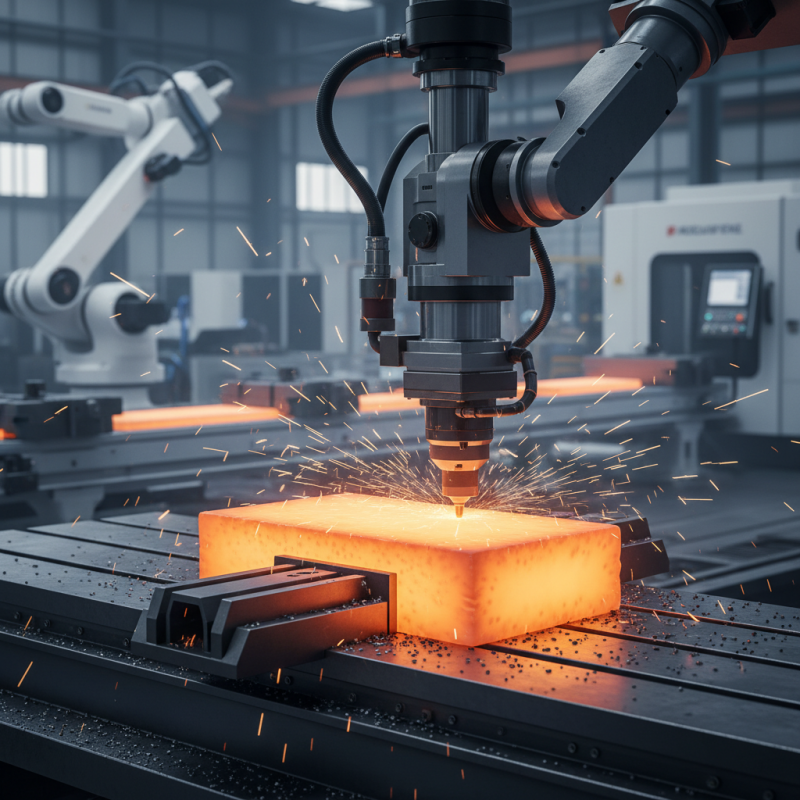
Steel machining is a critical process in the manufacturing industry. It involves shaping steel materials into precise components. This process includes various techniques such as turning, milling, and drilling. Each technique requires specialized tools and machines to achieve accuracy and efficiency.
Understanding the basics of these processes is essential. For example, turning is primarily used for creating cylindrical parts. It allows for high precision in shaping the exterior of the steel. However, it can also lead to tool wear if not monitored correctly. Milling, on the other hand, is versatile but can produce waste if not optimized. Both processes require skilled operators to ensure the best results.
Businesses must consider these factors when implementing steel machining. The choice of process can significantly impact production efficiency and cost. Mistakes during machining can lead to defects, which affect product quality. Furthermore, as technology advances, manufacturers must stay updated on the latest machining techniques and tools. Balancing efficiency with quality remains a challenge.
Key Techniques Used in Steel Machining: An Overview
Steel machining is a critical process in the manufacturing industry. It involves various techniques that shape and finish steel materials. Machining operations include turning, milling, and drilling. Each technique has its specific applications and advantages. For instance, turning is efficient for cylindrical shapes, while milling excels in creating complex geometries.
Understanding key techniques can enhance production quality. CNC machining has revolutionized the industry by providing precise control over cutting tools. However, this technology requires skilled operators who can troubleshoot issues. Not every operator possesses the necessary expertise, leading to potential errors. Additionally, high-speed machining can increase tool wear if not monitored properly.
Another technique is waterjet cutting, which uses high-pressure water to slice materials. It’s versatile and produces minimal heat, reducing the risk of altering material properties. Yet, waterjet systems are expensive and may not be suitable for all projects. Understanding these nuances is essential for manufacturers as they choose the right process for their needs.
The Importance of Precision in Steel Machining for Manufacturing
Precision in steel machining significantly shapes the manufacturing landscape. According to a report from the International Journal of Advanced Manufacturing Technology, precision machining increases productivity by up to 30%. This improvement arises from reduced material waste and shorter production cycles. In industries such as aerospace and automotive, tolerances can be as tight as 0.005 mm. Achieving these standards demands advanced equipment and skilled workforce.
Moreover, precision impacts safety and reliability in manufacturing. For example, the failure of a component due to machining inaccuracies can lead to catastrophic results. The National Institute of Standards and Technology emphasizes that precision in machining not only reduces errors but also ensures compliance with regulatory standards. Despite advanced technologies, many manufacturers face challenges in maintaining consistency. This inconsistency can stem from tool wear or improper setup. Continuous training and investment in state-of-the-art machinery are crucial for overcoming these hurdles.
What is Steel Machining and How Does it Impact the Manufacturing Industry?
| Dimension |
Impact |
Importance |
| Material Type |
Affects machinability and tooling choice |
Critical for cost-effectiveness |
| Machining Tolerance |
Ensures parts fit together correctly |
Essential for product quality |
| Surface Finish |
Influences wear resistance |
Important for performance and longevity |
| Process Speed |
Affects production output |
Crucial for meeting deadlines |
| Tooling Technology |
Determines precision and efficiency |
Significant for competitive advantage |
| Material Waste |
Impacts sustainability and cost |
Key for environmental responsibility |
Impact of Steel Machining on Product Quality and Efficiency
Steel machining plays a crucial role in enhancing product quality and manufacturing efficiency. Precision machining processes, such as milling and turning, ensure that steel components meet required specifications. This leads to fewer defects and improved performance in end products. The right machining techniques can significantly reduce waste, optimizing the use of materials while also minimizing costs.
However, achieving high-quality output through steel machining can be challenging. Variations in machining parameters, tool wear, and operator skill can impact the final product. It’s important for manufacturers to continuously assess their processes. Regular training and equipment maintenance are essential for maintaining performance. Each step in machining should be analyzed for potential improvements.
**Tip:** Always monitor tools for wear. A worn tool can compromise precision. This inspection should be part of standard operating procedures.
Efficiency also results from adopting the right technology. CNC machining is an excellent option for improving speed and accuracy. Yet, transitioning to such technology requires a significant investment. Manufacturers must weigh costs against potential gains carefully.
**Tip:** Analyze production data regularly. Look for trends that could indicate inefficiencies. Adjusting based on this data can yield surprising improvements.
Future Trends in Steel Machining and Their Effects on Manufacturing
As industries evolve, steel machining continues to play a vital role in manufacturing. This process allows for precise fabrication of components. Recent advancements are aimed at enhancing efficiency and reducing waste. Automation is on the rise, leading to faster production cycles. However, reliance on technology presents challenges. Operators must adapt to new systems and constant changes.
Sustainability is another key focus in the future of steel machining. Manufacturers are exploring eco-friendly practices. This includes using less energy and minimizing scrap material. Despite these efforts, not all companies are equipped to make the shift. Knowledge gaps exist, impacting the industry's overall progress. The push for greener solutions is not without its hurdles.
Innovation is essential for staying competitive. Emerging technologies, like AI and IoT, promise smarter machined processes. Yet, the integration of these tools requires time and training. Many businesses struggle to keep pace. The impact on the manufacturing industry will depend on how effectively these trends are embraced. Continuous learning is crucial for success in this evolving landscape.