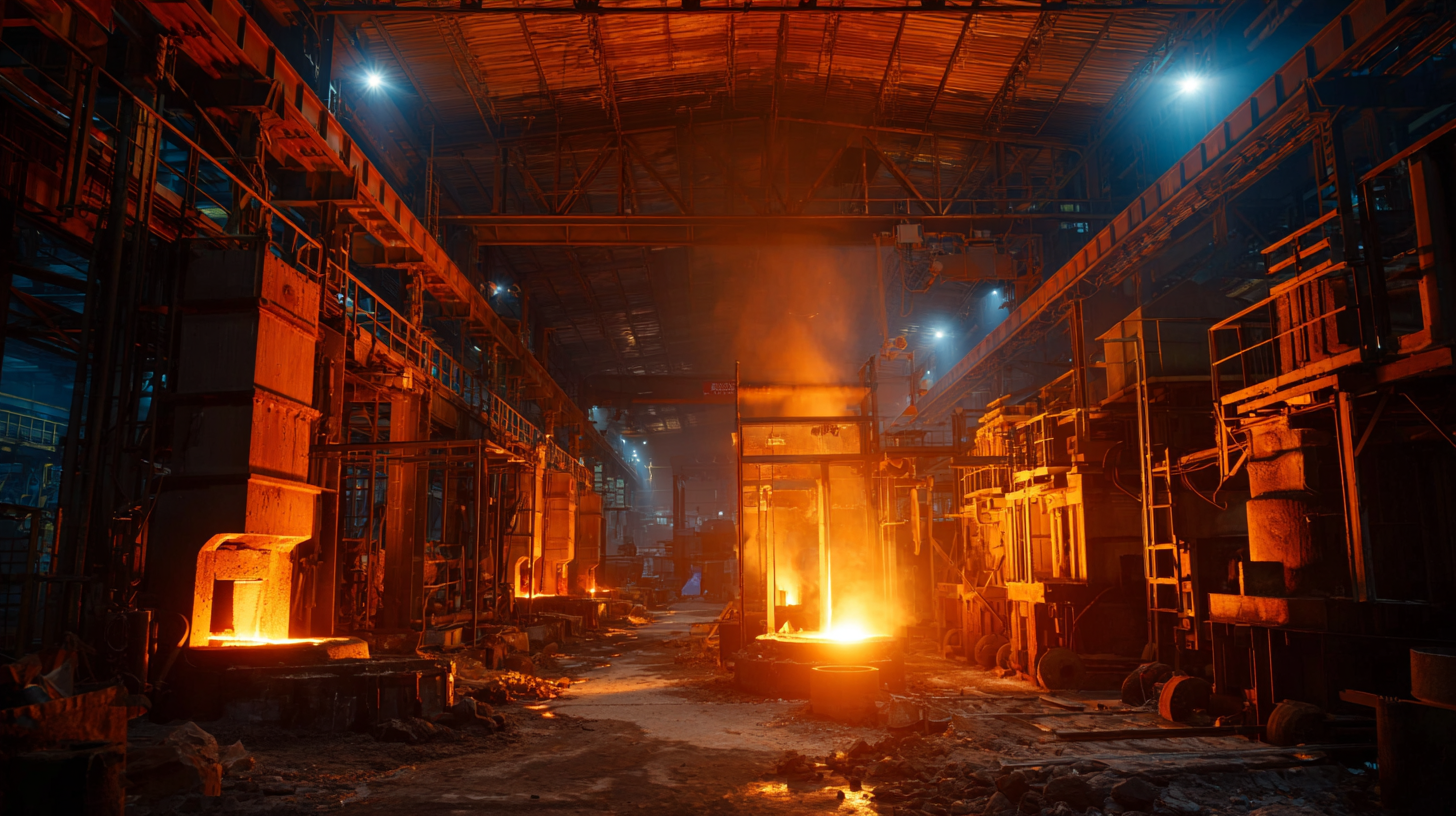
2025 Top 10 Steel Casting Foundries Revolutionizing the Industry
In the ever-evolving landscape of manufacturing, steel casting foundries play a pivotal role in shaping the future of the industry. The year 2025 heralds a new wave of innovation, with the top ten steel casting foundries poised to revolutionize traditional practices through cutting-edge technologies and sustainable processes. As John Smith, a renowned expert in the steel casting industry, aptly states, "The transformation of steel casting foundries is not just about enhancing output; it’s about redefining the very essence of manufacturing in a sustainable world."
This evolution reflects a broader trend towards efficiency, reliability, and environmental responsibility. By integrating advanced technologies such as artificial intelligence and automation, these leading foundries are not only increasing production capabilities but also reducing waste and energy consumption. Indeed, the future of steel casting foundries is not merely a continuation of past practices but a bold step forward into a realm where innovation and sustainability are paramount. As we explore the top ten steel casting foundries of 2025, we will uncover how these industry leaders are setting new benchmarks and paving the way for a more resilient manufacturing ecosystem.
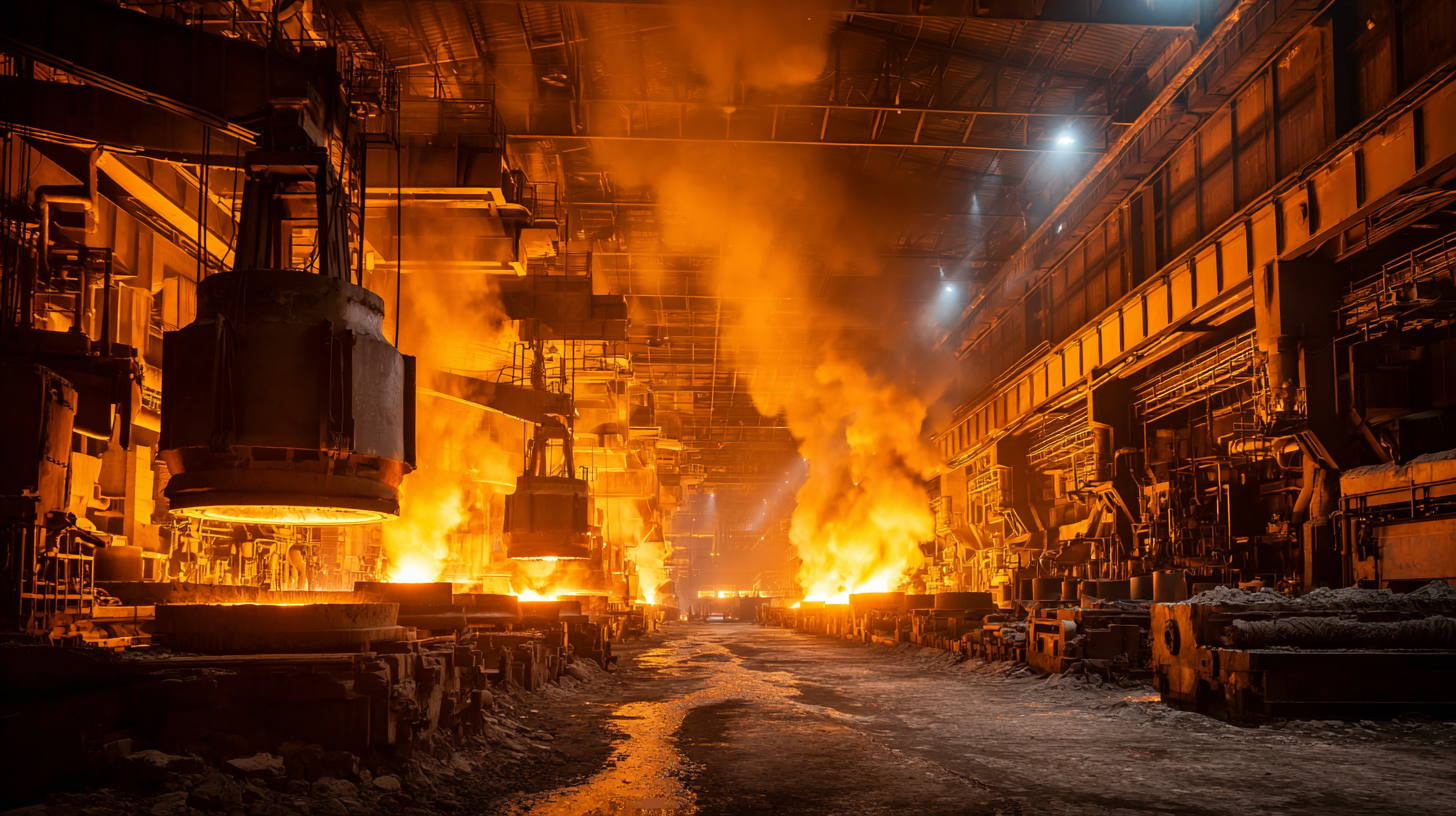
Emerging Technologies in Steel Casting: A Game Changer for Foundries
Emerging technologies are set to transform the steel casting industry, positioning innovative foundries at the forefront of this revolution. Notably, advancements in artificial intelligence and digital solutions are optimizing production processes, enhancing efficiency, and reducing waste. Foundries that leverage these technologies can achieve a significant competitive edge by streamlining operations and improving product quality. As seen in other sectors, such as semiconductor manufacturing, the integration of state-of-the-art techniques is a crucial move for any company aiming to thrive in a rapidly changing market.
Moreover, the embrace of 3D printing in metal casting is proving to be a game changer. This technology allows for greater design flexibility and faster prototyping, enabling foundries to respond swiftly to customer demands and market trends. As the industry continues to adapt and evolve, it is clear that those who invest in these emerging technologies will not only revolutionize their operations but also redefine the future landscape of steel casting.
Sustainability Practices in Modern Steel Casting Foundries
In recent years, sustainability has become a cornerstone of modern steel casting foundries, driving innovations that not only enhance production efficiency but also minimize environmental impact. Many leading foundries are adopting practices such as recycling and repurposing waste materials, which significantly reduce the carbon footprint associated with traditional casting methods. Utilizing green technologies, such as electric induction furnaces and advanced filtration systems, allows these manufacturers to operate with lower energy consumption while delivering high-quality castings.
Tips: To stay competitive in the steel casting industry, consider implementing a waste management strategy that includes recycling scrap metal and using eco-friendly materials. This not only boosts sustainability but can also lead to cost savings.
Additionally, many foundries are exploring renewable energy sources, like solar and wind power, to sustainably meet their operational needs. By investing in energy-efficient machinery and optimizing production processes, these foundries can significantly reduce emissions and conserve resources, proving that profitability and environmental responsibility can go hand in hand.
Tips: Engage in continual training for staff on best sustainability practices, as this promotes a culture of environmental stewardship within the workplace and provides employees with the knowledge needed to make impactful changes.
Innovative Casting Techniques: Enhancing Quality and Efficiency
The global steel casting industry is undergoing significant transformation, driven by innovative casting techniques that enhance both quality and efficiency. According to a recent report by Global Casting Insights, the adoption of advanced casting processes such as 3D printing and vacuum casting has resulted in a 30% reduction in material waste and a 15% increase in production speed among leading foundries. By utilizing these cutting-edge methods, manufacturers are not only able to produce components with improved dimensional accuracy but also minimize labor costs associated with traditional casting practices.
Furthermore, the integration of artificial intelligence and machine learning into casting operations is revolutionizing quality control. A study from the American Foundry Society highlights that foundries leveraging AI in their processes have seen a 20% decrease in defect rates. These technologies allow for real-time monitoring and predictive maintenance, ensuring that equipment operates at optimal levels. As such, the top steel casting foundries of 2025 are not only prioritizing innovative techniques to remain competitive but are also setting new benchmarks for sustainability and efficiency in the industry.
Key Players in the Steel Casting Industry Transforming Manufacturing
The steel casting industry is undergoing a transformation, driven by key players who are adopting advanced technologies and sustainable practices. As reported, the global graphite market is projected to reach a value of $23.47 million by 2025, with an anticipated growth rate to $329.20 million by 2033, highlighting the increasing demand for innovative materials in manufacturing processes. This upward trend reflects the industry's shift towards integrating environmentally sustainable production methods, aligning with the broader ESG (Environmental, Social, and Governance) initiatives being promoted by international organizations.
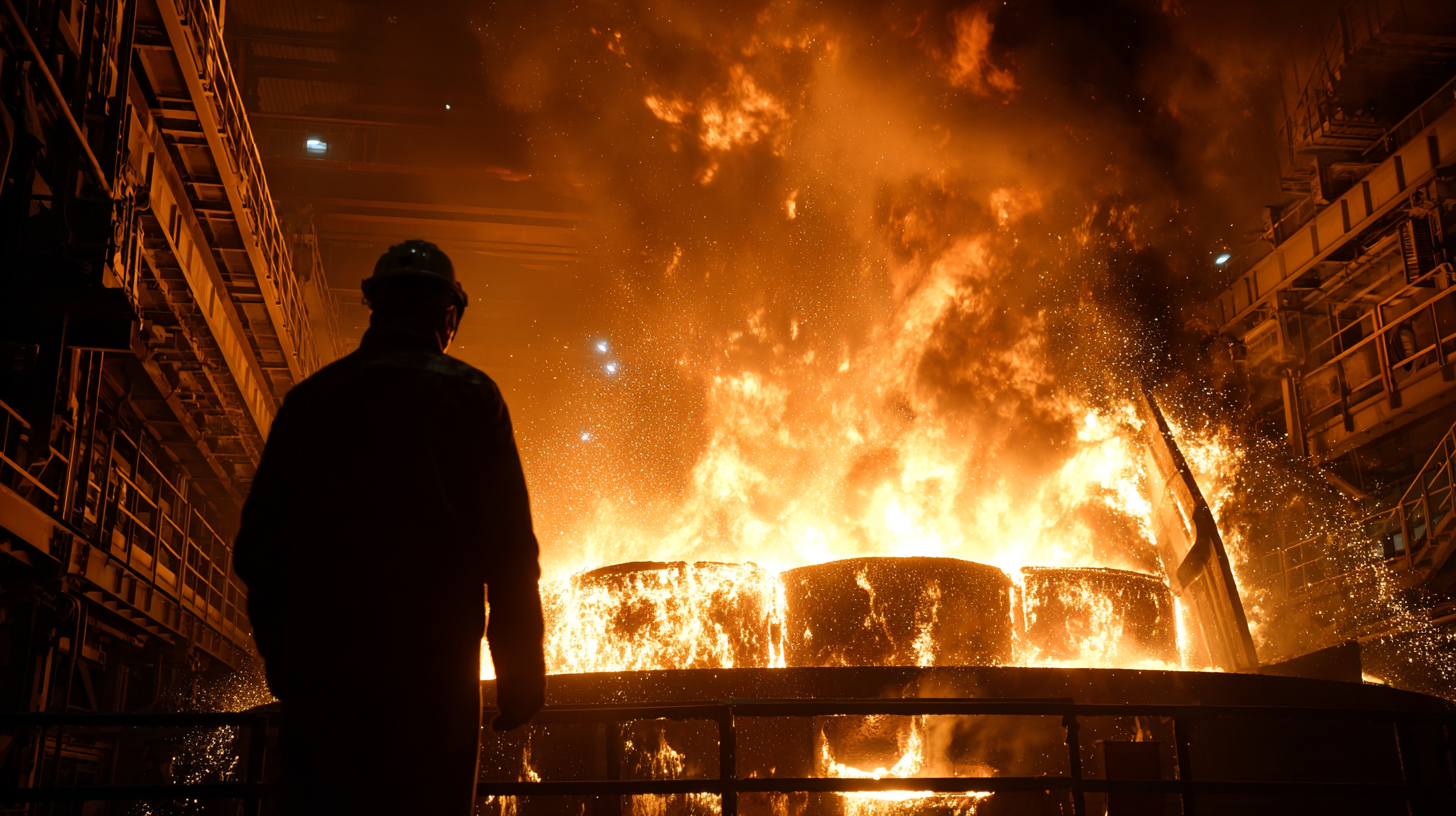
According to industry reports, the metallurgical equipment market is estimated to generate a revenue of $12.5 billion by 2024, with projections to grow to $18.2 billion by 2033, indicating a compound annual growth rate of 4.9% from 2026 to 2033. This growth underscores the need for advanced machinery that can efficiently meet the rising demands in steel casting. As major foundries embrace these developments, they not only enhance their competitive edge but also contribute positively to the sustainability goals of the steel industry. The convergence of innovation and responsible manufacturing is set to redefine the landscape of steel casting in the coming years.
Future Trends in Steel Casting: What to Expect by 2025
As the steel casting industry moves towards 2025, several transformative trends are expected to shape its future.
One significant trend is the adoption of advanced manufacturing technologies, such as 3D printing and automation.
According to a report by MarketsandMarkets, the global 3D printing market for metals is projected to grow from
$1.8 billion in 2021 to over $8 billion by 2026,
indicating a shift towards more efficient and customizable production methods. This transition not only reduces waste but also allows for intricate designs
that were previously challenging to achieve with traditional methods.
Another critical development is the emphasis on sustainability. A survey conducted by the
International Steel Association revealed that 65% of steel foundries are investing in
green technologies to reduce carbon emissions. Techniques like electric arc furnaces and the
utilization of recycled materials in steel production will become mainstream by 2025. These changes are essential as industries
worldwide aim for net-zero goals, driving a demand for eco-friendly practices in steel casting.
Tips: To stay ahead in this evolving landscape, foundries should embrace
digital transformation by investing in data analytics and IoT technologies
to enhance operational efficiency. Additionally, networking with industry leaders and participating in sustainability initiatives
can provide valuable insights into best practices. Engaging with educational resources on emerging technologies will also help professionals remain competitive.