Top Casting Process Types for Global Buyers
Choosing the right Casting Process can shape product quality, cost, lead time, and supply chain stability. Global buyers often compare sand casting, investment casting, die casting, permanent mold casting, and centrifugal casting. Each method suits different materials, geometries, order volumes, and tolerance requirements. A large pump housing may need sand casting for flexibility. A small aluminum connector may favor die casting for speed and repeatability. Thin, detailed stainless steel parts often benefit from investment casting.
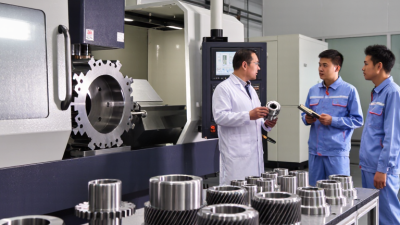
The decision deserves more than a supplier’s attractive quotation. Experienced buyers review drawings, alloy requirements, wall thickness, surface finish, machining allowance, and expected annual volume. They also examine tooling ownership, inspection equipment, sample approval, and traceability records. During factory evaluations, practical details matter. Look for clean melt handling areas, calibrated gauges, controlled cooling, and clearly labeled batches. Certifications can support confidence, but they do not replace process evidence.
No method wins every project. That is easy to forget. A low unit price may hide expensive tooling or high scrap rates. A technically excellent process may become impractical for urgent delivery. Buyers should request material certificates, dimensional reports, defect data, and production samples before making a final commitment. Independent testing may be sensible for safety-critical components. Even careful specifications can miss real production conditions. Reviewing failures openly can improve the next sourcing decision and build a more reliable global supplier relationship.
Casting Process Types: Definition, Purpose, and Industrial Scope
Top Casting Process Types for Global Buyers
Casting Process Types: Definition, Purpose, and Industrial Scope
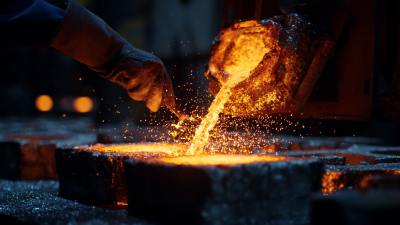
Casting is a manufacturing method that fills a mold with liquid metal. After cooling, the metal takes the mold’s internal shape. In simple terms, it turns heat into usable geometry. The purpose is practical: produce complex parts, reduce machining, and support repeatable production. Common options include sand casting, investment casting, die casting, and centrifugal casting.
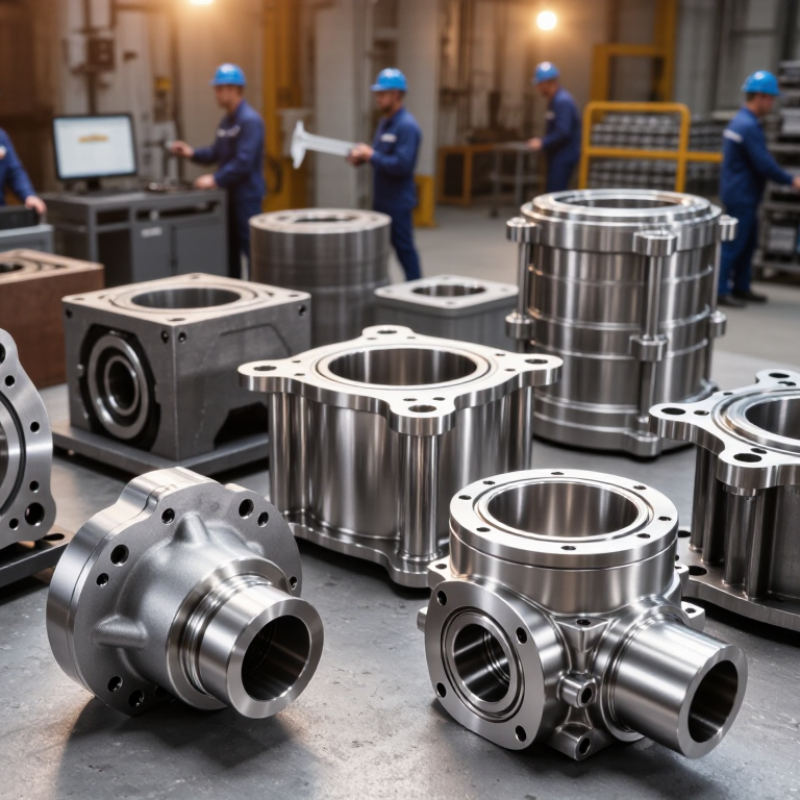
Each process serves a different industrial scope. Sand casting suits large housings, pump bodies, and low-to-medium production volumes. Investment casting creates detailed components with smoother surfaces and tighter dimensions.
Die casting supports high-volume aluminum or zinc parts, especially for vehicles and electrical equipment. Centrifugal casting is useful for pipes, sleeves, and cylindrical structures. The choice depends on alloy, wall thickness, tolerances, surface requirements, and annual demand.
Global Buyer Considerations
Global buyers should review mold life, inspection methods, material certificates, and dimensional reports. A capable supplier should explain pouring temperature, heat treatment, defect controls, and traceability.
Small sample runs can reveal porosity, distortion, or machining problems before full production. No process is perfect. A smoother surface may increase tooling cost, while a cheaper mold can create extra finishing work. This trade-off is easy to underestimate.
Clear drawings and realistic tolerances make technical discussions more reliable. However, specifications still need review after the first trial batch, because actual casting behavior may differ from the design assumption.
Sand Casting: Principles, Variants, and Typical Applications
Sand casting forms metal inside a cavity made in compacted sand. The pattern creates the shape, while gates and risers guide molten metal and manage shrinkage. After cooling, workers break the mold and remove the casting. This method suits iron, steel, aluminum, bronze, and several other alloys. It remains practical for prototypes, replacement parts, and large components.
Small mistakes matter. Uneven sand compaction can create surface defects or dimensional variation. Green sand uses moisture and clay, offering speed and lower tooling costs. Dry sand improves mold strength but requires additional preparation. Chemically bonded sand supports complex shapes and larger castings. Each variant changes lead time, finish, tooling, and inspection requirements. In real production, no single sand system performs best everywhere.
Typical applications include pump housings, valve bodies, machine bases, agricultural parts, and industrial counterweights. Complex internal passages may require cores, which demand careful positioning and venting. A buyer should review alloy specifications, drawing tolerances, heat-treatment needs, and expected batch size. Ask for process samples and inspection records, not only polished photographs. Visual checks can miss internal porosity. Radiographic, ultrasonic, or pressure testing may be appropriate for critical parts. The process is forgiving, but not flawless; early design feedback often prevents expensive rework.
Investment Casting: Precision, Materials, and Production Stages
Investment casting begins with a detailed wax pattern, not molten metal. A ceramic shell grows around the pattern through repeated dipping, stuccoing, and drying. The wax is removed in a controlled burnout cycle. Molten alloy then fills the hollow shell. This route captures thin walls, internal passages, and complex curves with limited machining. Small gates still matter. Poorly placed gates can create shrinkage, cold shuts, or trapped gas. In production reviews, engineers inspect these risks before tooling approval.
Material selection depends on service conditions, not appearance. Stainless steel suits corrosion-prone equipment, while heat-resistant alloys support elevated temperatures. Aluminum alloys can reduce weight, but their casting behavior needs careful control. Each batch should have traceable chemistry records and heat-treatment data. Dimensional checks often use coordinate measuring equipment. Radiographic or penetrant testing can reveal hidden defects. Surface roughness also deserves attention. A clean-looking part may still fail a tolerance requirement.
The process offers precision, yet it is not flawless. Ceramic cracks, uneven shell drying, and wax distortion can interrupt a seemingly stable run. I have found that teams sometimes trust drawings more than process feedback. That is risky. Trial castings should confirm fill behavior, wall thickness, machining allowance, and final hardness. Global buyers should review sample reports, inspection methods, and packaging protection. A chipped edge after long-distance transport can erase the value of excellent casting control.
Top Casting Process Types for Global Buyers - Investment Casting: Precision, Materials, and Production Stages
Investment casting supports complex geometries, fine surface details, and reduced machining requirements. Material selection affects melting temperature, mold design, process control, and final performance.
Typical Production Stages
The process generally includes wax pattern production, tree assembly, ceramic shell building, dewaxing, preheating, metal pouring, shell removal, cutting, finishing, inspection, and shipment preparation. Approximate melting points are shown in degrees Celsius and may vary by alloy composition.
Die Casting: Pressure Methods, Equipment, and Product Requirements
Top Casting Process Types for Global Buyers
Die casting uses pressure to produce precise metal parts at scale.
High-pressure die casting injects molten aluminum into a steel die at high velocity. It suits housings, brackets, and thin-wall components.
Low-pressure casting fills the die upward with gentler pressure. This method can reduce turbulence and support larger structural parts.
Vacuum die casting removes air before filling. It helps limit porosity, although it requires stricter equipment control.
Grand View Research estimated the global die casting market at about USD 87.5 billion in 2022. Its report also projected a 6.9% compound annual growth rate through 2030. These figures show strong demand, but market growth does not guarantee reliable parts. NADCA product standards stress alloy control, die design, draft angles, and dimensional inspection.
Buyers should define wall thickness, tolerance, surface finish, and heat-treatment needs before selecting equipment. A 400-ton machine may look sufficient, yet shot weight, projected area, and locking force can change the decision.
One overlooked vent can create gas defects. That detail is easy to underestimate.
Tips: Request a filling simulation and sample inspection report. Check porosity, flash, hardness, and dimensions. Ask how often the die is maintained. ASTM B85/B85M can guide aluminum alloy casting requirements. Do not judge suppliers by machine size alone. Process stability matters more than impressive tonnage. Perfect results are rarely achieved on the first trial, so allow time for correction.