Top 10 Investment Casting Techniques for Global Buyers?
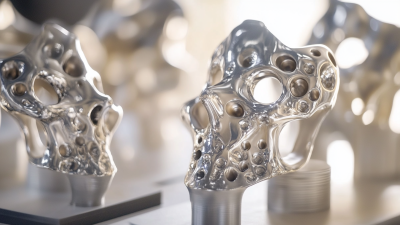
Investment Casting stands out as a vital process for manufacturing complex metal parts. It is known for its precision and ability to create intricate designs that other methods struggle with. This casting technique is widely used in various industries, including aerospace, automotive, and medical devices. Buyers seeking reliable components often turn to investment casting for its capability to produce high-quality products.
Despite its benefits, investment casting has challenges. Selecting the right method, materials, and suppliers can be daunting. Variability in quality and costs may arise. Companies need to focus on supplier expertise and manufacturing techniques. By evaluating these factors carefully, buyers can ensure they receive the best solutions for their needs.
As global buyers navigate the investment casting landscape, understanding the top techniques is essential. Each method offers distinct advantages and potential drawbacks. It is crucial to stay informed about innovations and industry standards. This knowledge can enhance decision-making and drive successful outcomes in investment casting projects.
Overview of Investment Casting Techniques
Investment casting techniques are vital for various industries. These methods ensure precision and efficiency in producing complex metal parts. Each technique carries unique advantages and drawbacks.
The investment casting process often begins with a wax model. This model is coated with a ceramic shell. Once the shell hardens, the wax is melted away. The results can be a mix of high-quality precision and intricate designs. However, this technique can be time-consuming, leading to longer production cycles.
Ultimately, the choice of casting technique depends on specific project requirements. Buyers should consider factors like cost, volume, and complexity. Each approach has its strengths and weaknesses. This underscores the importance of understanding the nuances of investment casting. A deeper look into these techniques can reveal unexpected challenges and opportunities for improvement.
Key Benefits of Investment Casting for Global Buyers
Investment casting offers significant advantages for global buyers looking to optimize their manufacturing processes. One of the key benefits is the ability to create complex geometries with high precision. This technique allows for intricate designs that traditional methods struggle to achieve. As a result, manufacturers can innovate with more daring concepts without sacrificing quality.
Moreover, investment casting often leads to a reduction in material waste. Since the process utilizes wax patterns, it minimizes excess material compared to other casting methods. Some buyers have noted that this not only lowers costs but also enhances sustainability efforts. However, achieving the desired intricacies requires a skilled workforce and a commitment to continuous improvement.
Another area worth considering is lead times. While investment casting can initially seem slower due to the pattern-making process, advancements in technology are bridging this gap. Effective planning can improve turnaround times. Yet, it requires careful coordination with suppliers and manufacturers. Buyers must remain vigilant about ensuring that timelines align with project goals. This balance of precision and efficiency remains a topic for reflection as the industry evolves.
Top Investment Casting Materials and Their Applications
Investment casting offers a range of materials, each with unique benefits. Aluminum and steel dominate the market. According to a recent industry report, aluminum accounts for 30% of the total investment casting materials used globally. This lightweight metal is ideal for applications in the automotive and aerospace sectors. Its high strength-to-weight ratio makes it suitable for heavy-duty components without adding excess weight.
Stainless steel follows closely behind, capturing approximately 25% of the market. Its corrosion resistance is crucial for marine and industrial applications. In many cases, stainless steel parts are critical for maintaining reliability in harsh environments. Despite its advantages, steel casts can be more expensive to produce. This disparity requires buyers to weigh cost against performance.
Other materials, such as brass and bronze, are valuable too. These alloys excel in electrical applications and plumbing fixtures because of their conductivity and malleability. However, as demand grows, sourcing high-quality raw materials remains challenging. Professionals in the investment casting industry often reflect on balancing material choice, cost constraints, and application requirements, highlighting the need for continuous improvement in sourcing strategies.
Innovative Methods in Investment Casting Technology
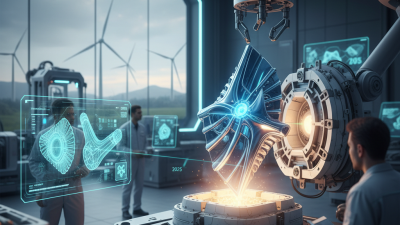
Investment casting technology has seen remarkable advancements in recent years. Innovative methods have emerged, enhancing precision and efficiency. One notable technique is the use of 3D printing for creating molds. This process allows for complex designs that traditional methods struggle to achieve. It significantly reduces the lead time for production. Additionally, advanced materials are now available, offering improved durability and performance.
Tips: When considering investment casting, evaluate your design for manufacturability. Complex geometries may lead to higher costs. It’s crucial to balance creativity and cost-effectiveness.
Another innovative method involves the use of automation in the pouring process. Automated systems can ensure consistency in metal pouring, reducing human error. Robotics can also facilitate the handling of heavy materials, enhancing workplace safety. However, the integration of such technology requires skilled professionals for calibration and maintenance.
Tips: Invest in training for your team. Understanding new technologies can improve production outcomes. Regular audits of equipment and processes can help identify areas for improvement. Embracing innovation is key, but it should not overshadow the importance of foundational skills.
Comparative Analysis of Investment Casting Techniques Worldwide
Investment casting, also known as lost wax casting, has gained significant traction worldwide. According to the "Global Investment Casting Market Report" by Market Research Future, this industry is projected to see a growth rate of around 6% annually from 2021 to 2028. This technique is favored for its ability to produce complex geometries with tight tolerances. Countries such as the United States and Germany lead in technology and innovation, while emerging markets in Asia are expanding rapidly.
Various techniques exist within investment casting that differ in process efficiency and material requirements. For instance, the ceramic shell method provides superior surface finish and dimensional accuracy. However, some techniques, like the plaster mold method, may fall short in durability and precision. A World Casting Organization report highlights that although North America holds a significant market share, Asia is quickly catching up due to lower production costs and improving quality standards.
While the advancements in investment casting are notable, challenges persist. The initial setup costs can be prohibitive for smaller businesses. Moreover, inconsistent material quality in lower-cost regions remains a concern. Each casting technique requires expertise to determine suitability based on the intended application. This nuanced analysis emphasizes the need for educated decision-making among global buyers.