In the world of manufacturing, the Investment Casting Process stands out for its precision and versatility. Experts like John Smith, a seasoned engineer with over 20 years in the field, emphasize its benefits: “The Investment Casting Process allows for intricate designs that are difficult to achieve through other methods.”
Global buyers face unique challenges when selecting the right investment casting suppliers. Understanding the nuances of this process is essential. The Investment Casting Process isn’t just about pouring metal into molds; it involves meticulous planning and execution. Each step matters—from material selection to final inspections. Buyers must consider these aspects to ensure quality and performance.
Reflecting on the Investment Casting Process can lead to uncovering hidden pitfalls. Many overlook critical factors like temperature control, which can affect the final product. Ignoring these details may result in costly mistakes. Emphasizing precision and attention to detail is vital for success in this competitive industry. The stakes are high, and for global buyers, informed decisions are key.
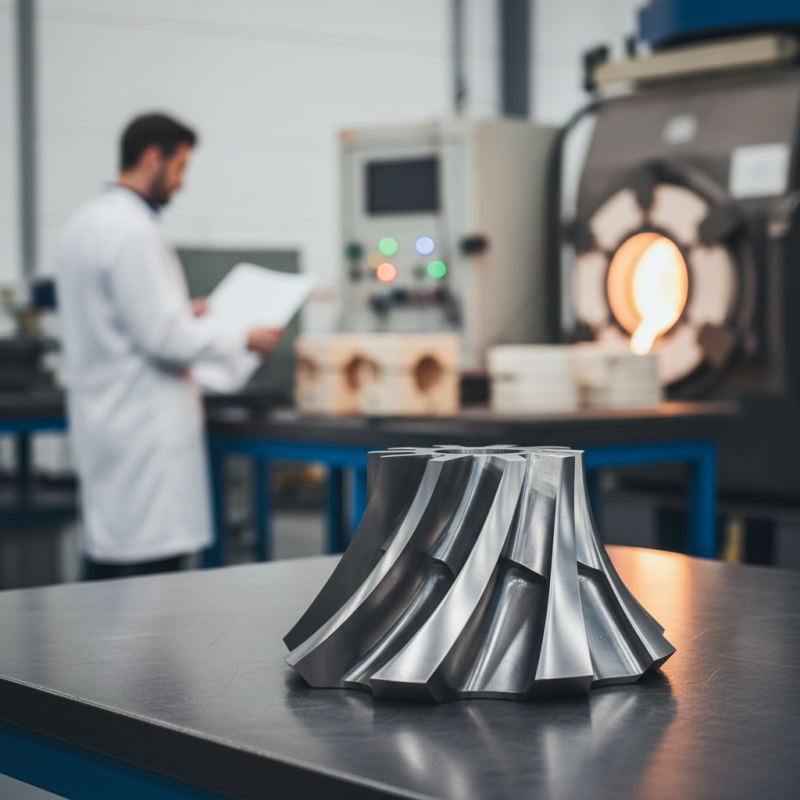
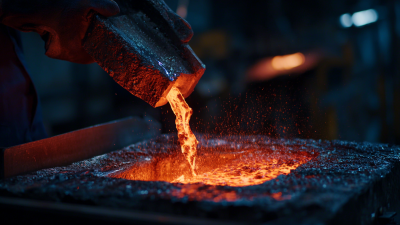
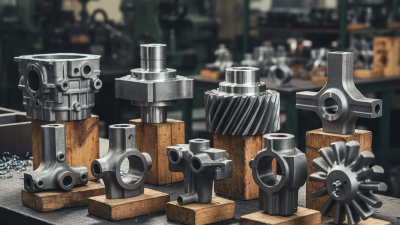
Investment casting is a precise method for creating complex metal parts. It involves creating a wax model, coating it with ceramic, and then melting the wax away. This technique allows for high detail and excellent surface finishes. Buyers should understand the fundamentals to make informed decisions.
Tip 1: Always communicate your design specifications clearly. Effective communication helps manufacturers understand your exact needs. This can prevent costly mistakes.
Tip 2: Choose the right materials. Different metals have unique properties. Consider factors such as strength, corrosion resistance, and thermal conductivity.
Tip 3: Be prepared for the testing phase. Each investment casting process might require adjustments. Expect challenges and be open to discussions about improvement.
Understanding these basics helps buyers navigate the investment casting process successfully. Knowing what to expect can lead to better results and avoid unforeseen issues.
When selecting an investment casting supplier, buyers should focus on experience and expertise. A supplier with years of experience often understands market trends better. They have refined their processes to ensure high quality and efficiency. This can lead to more reliable products and reduced costs. Look for detailed case studies showcasing their capabilities. Many suppliers will share these examples as proof of their expertise.
Quality assurance is another critical factor. The best suppliers implement strict quality control measures. Ask about their testing methods and certifications. A robust quality management system is vital for consistent results. You want a partner committed to maintaining high standards. Even small mistakes can lead to costly revisions in the casting process.
Communication plays a significant role too. Choose suppliers who prioritize clear, open channels of communication. Clarity in specifications and timelines is essential for project success. If a supplier struggles to provide timely updates, this could be a red flag. Reflect on how past suppliers handled communication. Did they meet your expectations? Remember, a proactive supplier can make all the difference in your investment casting journey.
Investment casting is a method characterized by its precision and flexibility. Optimizing the design is crucial for achieving efficiency and product quality. Efficient design choices can reduce costs and lead times significantly. According to a recent industry report, well-executed design changes can reduce material waste by up to 20%.
One tip involves simplifying shapes wherever possible. Complex geometries can lead to difficulties in casting and finishing. Aim for designs that eliminate unnecessary features. This small change can enhance manufacturability and strength. Material selection matters as well. Opt for alloys that can withstand the casting process, ensuring better performance and longevity of the final product.
Another critical aspect is involving foundry partners early in the design stage. Collaborating with experts can reduce the risk of unforeseen challenges. Early input can guide design adjustments before reaching the production phase, minimizing costly mistakes. Additionally, implementing thorough testing protocols during the prototyping phase ensures that potential flaws are identified early. The investment in optimizing designs yields considerable returns, fostering trust in your products and processes.
Quality control in the investment casting process is crucial for ensuring product reliability and performance. Reports indicate that over 60% of casting defects arise from inadequate quality measures. These defects can lead to significant financial losses, sometimes exceeding 20% of production costs. Global buyers should understand the importance of rigorous testing and inspection protocols.
Visual inspection is a primary method used in quality control. Skilled inspectors examine the castings for surface flaws and dimensional accuracy. This method is often supplemented by non-destructive testing techniques, such as ultrasonic and radiographic inspections. These methods can detect internal defects that are not visible to the naked eye. By implementing these measures, manufacturers can reduce the defect rate and improve overall product quality.
Moreover, utilizing advanced technologies can enhance quality control. Data analytics can track trends in casting defects. This process allows for timely adjustments to production techniques. However, reliance on technology alone is not sufficient. Human expertise remains essential in interpreting data and making informed decisions. Regular training sessions for quality assurance teams can foster this expertise. The balance between technology and human judgment is vital for maintaining high standards in the investment casting industry.
| Tip Number | Quality Control Measure | Description | Importance |
|---|---|---|---|
| 1 | Material Inspection | Verify the quality and chemical composition of raw materials. | Ensures the final product meets specifications. |
| 2 | Dimensional Verification | Check the dimensions of the casted parts against CAD designs. | Prevents costly rework and ensures fit and function. |
| 3 | Visual Inspection | Inspect for surface defects and imperfections. | Identifies issues that could affect performance. |
| 4 | Non-Destructive Testing (NDT) | Use techniques like X-ray or ultrasonic testing to find internal flaws. | Ensures integrity without damaging the product. |
| 5 | Process Control Monitoring | Regularly monitor process parameters to ensure consistency. | Reduces variability and improves quality consistency. |
| 6 | Employee Training | Ensure all personnel are trained in quality standards and procedures. | Empowers staff to uphold quality and safety standards. |
| 7 | Traceability Systems | Implement tracking for all materials and processes. | Facilitates recall and quality improvements. |
| 8 | Final Product Testing | Conduct functional tests on finished products. | Validates that the product performs as expected. |
| 9 | Feedback Loop | Implement a system for capturing and acting on customer feedback. | Promotes continuous improvement based on user experiences. |
| 10 | Documentation | Maintain thorough records of inspections and tests. | Supports quality assurance audits and reviews. |
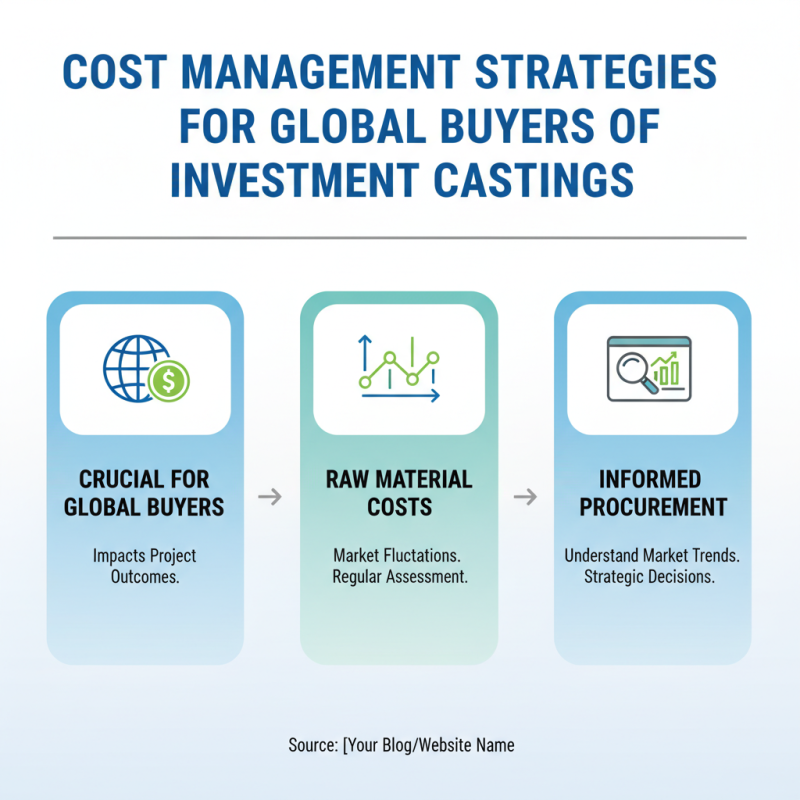
Cost management in investment casting is crucial for global buyers. Effective strategies can significantly influence project outcomes. One key approach involves understanding raw material costs. Prices can fluctuate due to market demands. Buyers should regularly assess market trends to make informed procurement decisions.
Negotiating bulk purchasing agreements can also reduce costs. This requires building solid relationships with suppliers. Consistent communication can help secure better pricing. Additionally, considering local suppliers may minimize shipping costs. Always evaluate the trade-offs between quality and price. Sometimes cheaper materials can lead to more problems later.
Streamlining processes can further enhance cost efficiency. Analyze production times and workflows to identify potential delays. Investing in technology can be a double-edged sword. It often requires upfront capital but can improve long-term savings. Revisiting initial assumptions about costs and processes is a valuable exercise. It allows businesses to adapt to changing circumstances. Ultimately, strategic planning and flexibility are essential.