Top Steel Machining Manufacturers in China for Global Buyers?
In the competitive world of manufacturing, Steel Machining stands out as a critical industry. China has become a global hub for this sector. Many buyers seek reliable suppliers to meet their needs. As noted by industry expert Dr. Lin Wei, "Quality and precision in Steel Machining are crucial for global competitiveness." His insight emphasizes the importance of finding the right partners.
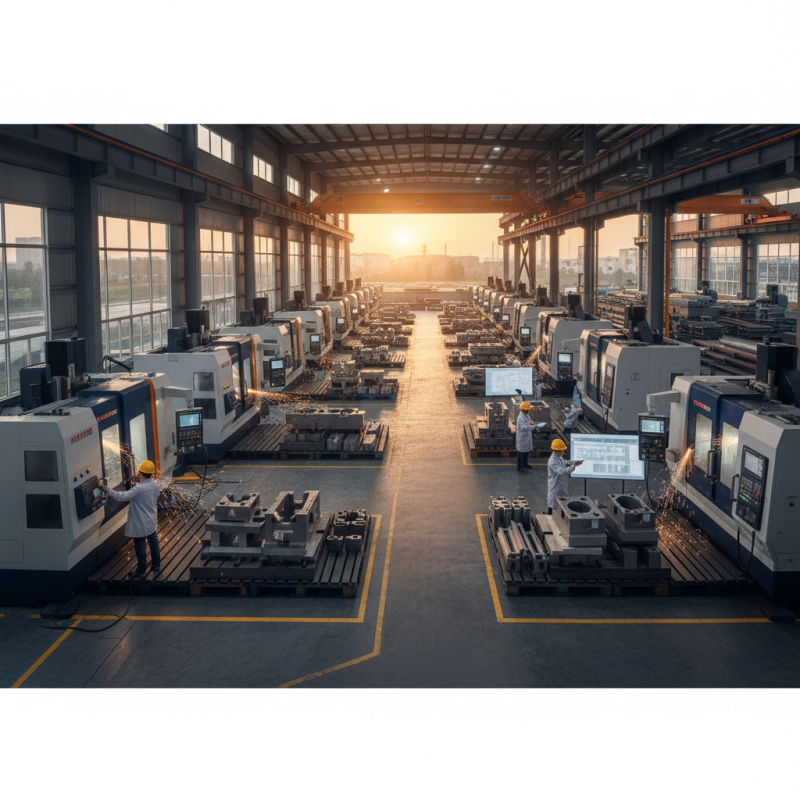
Chinese manufacturers offer a variety of Steel Machining services. These services include CNC machining and precision engineering. Buyers often look for companies with advanced technology and skilled labor. However, not all manufacturers meet international standards. Some may lack quality control processes, leading to subpar products. This inconsistency can lead to frustration for buyers who require dependability.
Understanding the landscape of Steel Machining in China is vital. Not every producer is equipped to handle complex specifications. Buyers need to assess manufacturers carefully. They should investigate their track record and customer reviews. This cautious approach will help buyers forge successful partnerships in the dynamic Steel Machining market.
Overview of Steel Machining Industry in China
The steel machining industry in China has witnessed significant growth, becoming a crucial player in the global market. Reports indicate that in 2022, China's steel machining output reached approximately 200 million tons. This represents a 15% increase over the previous year, underscoring the nation's robust industrial capabilities. The country’s extensive use of advanced technologies has optimized production processes, enhancing efficiency while reducing costs.
However, the rapid expansion also raises concerns. Some manufacturers face challenges related to quality control and supply chain management. Inconsistencies in material quality can affect the overall performance of machinery. Moreover, competition in the market intensifies daily, prompting companies to adapt rapidly. To stay relevant, many are investing in research and development. About 30% of enterprises are focusing on sustainable practices, yet not all are succeeding.
The need for expertise and skilled labor remains critical. The industry lacks a sufficient number of well-trained technicians. This gap can hinder production efficiency and product quality. Addressing these issues is essential for maintaining China's position in the global steel machining sector. The growth of this industry is promising, but it requires continuous improvement and adaptation.
Key Factors Driving Steel Machining Manufacturing in China
China's steel machining industry is experiencing significant growth, driven by several key factors. One major aspect is the country's robust infrastructure investment. According to a report from the China Iron and Steel Association, the steel demand grew by 5% in 2022, largely attributed to government-funded projects. This demand supports local manufacturers and promotes advanced machining technologies.
Another factor is the skilled workforce. China has invested heavily in education and training programs. These initiatives create a large pool of engineers and technicians proficient in the latest machining techniques. Industry reports indicate that nearly 70% of manufacturers cite skilled labor as a crucial asset. However, some factories still struggle with retaining top talent due to competitive job markets.
Tip: Engage with local workforce development programs for better recruitment options.
Additionally, advancements in automation and AI are transforming the production landscape. Manufacturers leveraging these technologies can enhance efficiency and reduce costs. A recent survey found that 60% of steel machining companies plan to invest in automation. Still, there are obstacles; not all facilities can upgrade due to budgeting issues.
Tip: Assess your current equipment against industry standards for potential upgrades.
Top Steel Machining Manufacturers in China for Global Buyers
This chart illustrates the production volume (in metric tons) of steel machining in China over the past five years. It highlights the growth trends and market dynamics that are influencing the steel machining industry.
List of Leading Steel Machining Manufacturers in China
China has established itself as a key player in the global steel machining industry. Recent reports indicate that the country accounted for over 50% of the world’s steel production in 2022. This dominance is reflected in its steel machining manufacturers, which are known for their advanced technology and production capabilities. The market is highly competitive, with many companies adopting innovative processes to improve efficiency and reduce costs.
Several leading steel machining manufacturers in China have invested heavily in automation and robotics. According to industry experts, this investment enhances precision while significantly reducing labor costs. In 2023, around 40% of manufacturers reported using automated systems for machining processes. However, quality remains a challenge. Not all manufacturers can consistently meet international standards, leading to concerns among global buyers about reliability.
Transportation and logistics are also critical factors affecting the industry. While many manufacturers focus on streamlining operations, shipping delays can impact product availability. Buyers should consider how effectively a manufacturer handles logistics. Understanding these nuances is essential for global buyers seeking reliable partners in China’s steel machining sector.
Top Steel Machining Manufacturers in China for Global Buyers
| Manufacturer Location |
Annual Production Capacity (tons) |
Key Machining Services |
Certifications |
Contact Information |
| Wuxi |
50,000 |
CNC Machining, Surface Treatment |
ISO 9001, CE |
info@wuxisteel.com |
| Shenzhen |
75,000 |
Lathe Turning, Milling |
ISO 14001, OHSAS 18001 |
contact@shenzhenmachining.com |
| Shanghai |
100,000 |
Welding, Assembly |
ISO 9001, TS 16949 |
sales@shanghaimachining.com |
| Hangzhou |
30,000 |
Grinding, Finishing |
ISO 9001, RoHS |
info@hangzhoumachining.com |
| Guangzhou |
45,000 |
Cutting, Stamping |
ISO 9001, API |
support@guangzhoumachining.com |
Comparative Analysis of Manufacturing Capabilities
China has established itself as a powerhouse in the steel machining industry. With numerous manufacturers, competition has led to varying capabilities across the board. Some factories emphasize efficiency and speed, while others focus on precision and quality. This diversity presents a unique opportunity for global buyers to find suppliers that match specific needs.
Many manufacturers utilize advanced machinery and skilled labor to optimize production. However, not all facilities adhere to the same quality standards. Some may cut corners to reduce costs, resulting in inconsistent product reliability. It is crucial for buyers to conduct thorough research into each manufacturer’s reputation and track record.
Furthermore, the adaptability of these factories is essential. Some excel in mass production, while others shine in custom machining tasks. This specialization can impact turnaround times and pricing significantly. Potential buyers should consider how well each manufacturer aligns with their requirements for both current and future projects. Observing these nuances can greatly influence the procurement process.
Insights on Export Trends and Global Market Reach
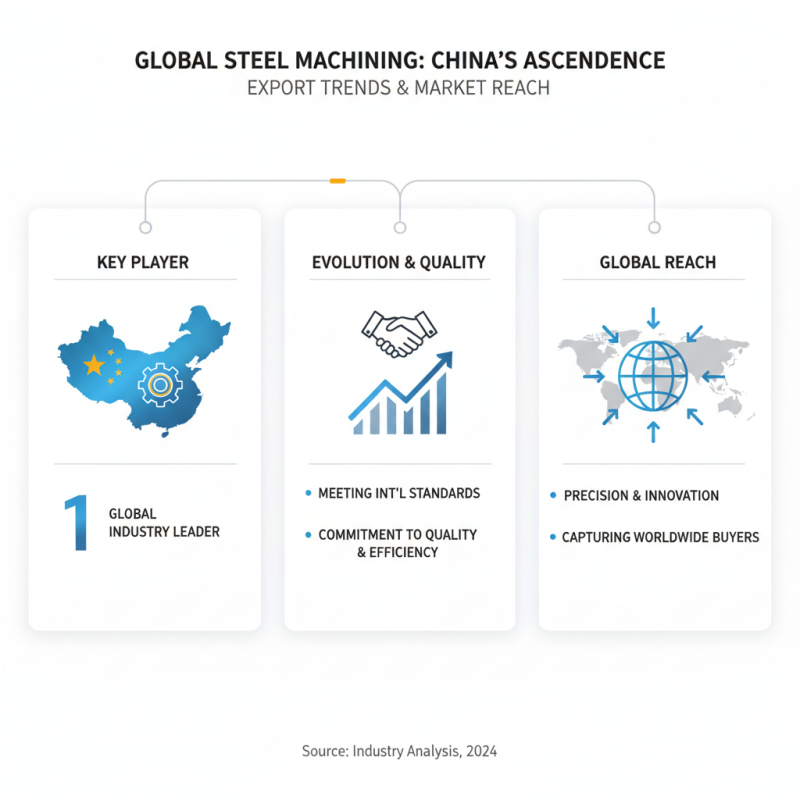
China has emerged as a key player in the global steel machining industry. Over the years, many manufacturers have honed their skills to meet international standards. This evolution reflects a strong commitment to quality and efficiency. More Chinese companies are capturing the attention of buyers worldwide, with a focus on precision and innovation.
Export trends indicate a significant shift towards specialized products. Many manufacturers are investing in advanced technologies. This not only boosts production capabilities but also enhances product quality. Buyers are increasingly seeking tailored solutions. Such practices create competitive advantages, yet challenges remain. Some companies struggle with maintaining consistency across large orders.
As the market expands, establishing trust becomes crucial. Buyers must navigate a sea of options. Transparency in operations and reliable communication are vital. Some manufacturers still lack clear export documentation, leading to confusion. It is imperative for companies to address these issues to foster better relationships. Overall, the landscape is evolving rapidly, but reflective practices are required to maintain momentum.