Top Trends in Stainless Steel Fabrication for Global Buyers?
In the ever-evolving landscape of Stainless Steel Fabrication, industry experts emphasize the importance of staying ahead of trends. John Smith, a leading authority in the field, once noted, "Innovation drives efficiency and quality in stainless steel production." This insight highlights the critical need for global buyers to understand both current and emerging trends.
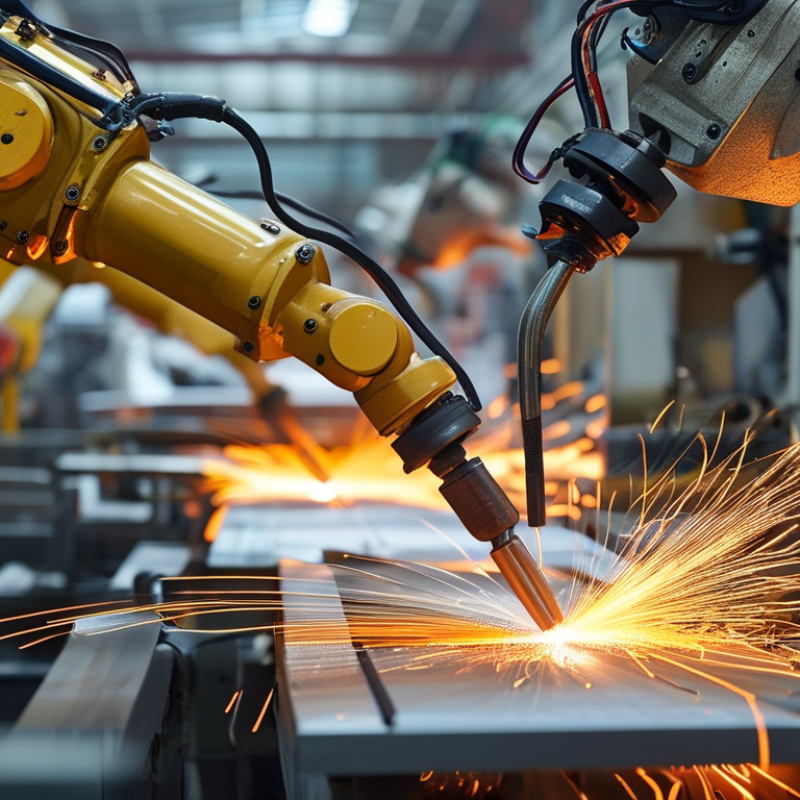
With advancements in technology, Stainless Steel Fabrication is witnessing an unprecedented transformation. Automation and digital solutions are reshaping traditional processes. For instance, robotic welding machines are enhancing precision while reducing labor costs. As a result, buyers must adapt to these innovations to maintain competitiveness.
However, challenges persist in this sector. Supply chain disruptions and environmental concerns are affecting material availability and production timelines. Buyers should remain vigilant and proactive in their sourcing strategies. The road to enhanced manufacturing is paved with both opportunities and hurdles that require careful navigation. Understanding these dynamics is essential for success in the world of Stainless Steel Fabrication.
Current Innovations in Stainless Steel Fabrication Techniques
The landscape of stainless steel fabrication is witnessing significant innovations. One notable trend is the integration of automation and advanced robotics. According to a recent industry report, automation can increase efficiency by up to 50%, while reducing labor costs. Robotics play a crucial role in precision machining, ensuring consistent quality. This innovation boosts productivity and allows for faster production cycles.
Sustainable practices are also reshaping the fabrication landscape. The adoption of eco-friendly techniques reduces waste during manufacturing. Many companies now utilize recycled stainless steel, leading to a reduction in energy consumption by 30%. This shift not only meets environmental standards but also appeals to eco-conscious buyers.
Despite these advancements, challenges persist. The cost of implementing advanced technologies can be high for smaller firms. As the market evolves, companies must assess their investment strategy carefully. Balancing technology with traditional manufacturing techniques remains a pivotal consideration. Innovation is essential, but it must align with practical business realities.
Top Trends in Stainless Steel Fabrication for Global Buyers
This chart illustrates the current innovations in stainless steel fabrication techniques, highlighting key trends such as advanced robotics and welding automation, which are gaining traction among global buyers.
Sustainability Practices in Stainless Steel Manufacturing
Sustainability is becoming paramount in stainless steel manufacturing. Industry reports show that over 70% of stainless steel is recycled during production. This significant reuse helps reduce overall energy consumption. However, many manufacturers still rely heavily on virgin materials. The challenge is balancing these practices with increasing global demand.
Another surprising fact is that the process of producing stainless steel emits substantial CO2. In 2021, the industry accounted for about 7% of global emissions. To combat this, leading companies are investing in cleaner technologies. For example, using electric arc furnaces instead of traditional methods can cut emissions by nearly 30%.
The importance of transparency in sourcing also cannot be overlooked. Buyers are increasingly demanding information about the origin of raw materials. While some suppliers provide detailed reports, many do not. This gap creates uncertainty around the sustainability claims made by manufacturers. Improving traceability remains a critical area for growth in the industry. Addressing these issues will be essential for achieving true sustainability in stainless steel fabrication.
Top Trends in Stainless Steel Fabrication for Global Buyers - Sustainability Practices in Stainless Steel Manufacturing
| Trend |
Description |
Impact on Sustainability |
Future Outlook |
| Recycled Materials |
Increased usage of recycled stainless steel to reduce environmental footprint. |
Reduces waste and conserves resources. |
Expected to rise as legislation encourages recycling. |
| Energy Efficiency |
Implementation of energy-efficient machinery and processes in manufacturing. |
Lowers energy consumption and reduces carbon emissions. |
Continued investments anticipated in clean technologies. |
| Waste Reduction |
Techniques to minimize scrap and optimize resource usage during fabrication. |
Enhances resource efficiency and lowers disposal costs. |
More businesses adopting zero-waste strategies. |
| Innovative Alloys |
Development of new stainless steel alloys with improved properties for sustainability. |
Potentially extends product lifecycle and performance. |
Research into sustainable alloy solutions is expected to grow. |
| Water Conservation |
Techniques to reduce water usage in the production process. |
Decreases freshwater withdrawal and impacts on local resources. |
Increasing regulations promoting water-saving technologies. |
Emerging Market Trends Influencing Stainless Steel Demand
The demand for stainless steel is evolving, driven by several market trends. One significant factor is urbanization. As more people move to cities, the need for infrastructure increases. Stainless steel plays a crucial role in construction due to its durability, strength, and resistance to corrosion. Cities are allowing for larger projects that use advanced fabrication techniques. This trend suggests an ongoing need for high-quality stainless steel components.
Another trend is the growing emphasis on sustainability. Many industries are prioritizing eco-friendly practices. Companies are exploring recycled stainless steel to reduce environmental impact. This shift fosters innovation in production methods and material sourcing. However, challenges exist, such as the availability of recycled material and cost fluctuations.
Lastly, technology integration is shaping the industry. Automation and digital design tools enhance the fabrication process. These advancements lead to increased efficiency and precision. Yet, reliance on technology also raises concerns about job displacement and skill gaps. The industry must adapt to these changes while ensuring a skilled workforce is maintained.
Advanced Technologies Enhancing Stainless Steel Fabrication Efficiency
The stainless steel fabrication industry is witnessing remarkable advancements. New technologies are redefining how manufacturers approach efficiency and quality. Automation continues to play a crucial role. Robotics and AI streamline processes, reducing human errors. Automated welding machines save time and enhance precision. These innovations are essential for meeting growing global demands.
Data analytics is another game-changer. It allows manufacturers to monitor production in real-time. By analyzing this data, companies can identify bottlenecks and optimize workflows. This leads to better resource management and cost reduction. Yet, not all manufacturers have embraced these tools. Some struggle with implementation, often due to lack of expertise.
3D printing is emerging as a disruptive technology. It offers the possibility of creating complex designs with minimal waste. However, this method still faces challenges regarding materials and scale. The transition to these advanced methods requires significant investment. As the industry evolves, businesses must remain flexible and willing to adapt. This ongoing journey highlights the need for continual learning and improvement.
Global Supply Chain Challenges in Stainless Steel Production
The stainless steel fabrication industry faces significant challenges due to global supply chain disruptions. Sourcing raw materials has become increasingly complex. Fluctuations in demand and geopolitical factors contribute to these uncertainties. Many manufacturers are struggling to maintain consistent production levels as delays in shipping affect their timelines.
For buyers, understanding these challenges is crucial. When procuring stainless steel products, consider diversifying suppliers. Relying on one source can lead to vulnerabilities. By engaging multiple manufacturers, you can mitigate risks and ensure a steady supply. It's also wise to stay informed about geopolitical developments that might affect manufacturing regions.
Sustainability and environmental concerns are gaining importance. Buyers should look for suppliers committed to ethical practices. This not only ensures compliance with regulations but also enhances brand reputation. Tracking the environmental impact of your supply chain can lead to better decision-making.
Investing in technology could also improve efficiency. Automation and data analytics streamline operations, reducing dependency on external factors. Embracing innovative approaches may help navigate ongoing disruptions. Reflecting on your procurement strategies can reveal areas for improvement and adaptability in changing conditions.