What Is the Best Carbon Steel Casting Manufacturer in China?
Choosing the best Carbon Steel Casting manufacturer in China requires more than comparing unit prices. The right partner must match your alloy, geometry, production volume, and delivery expectations. A pump housing, valve body, and railway component demand different controls. They also require different inspection plans.
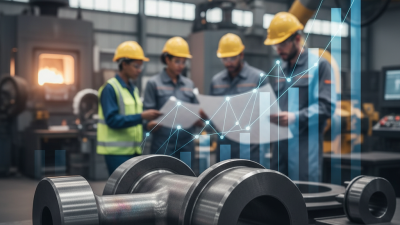
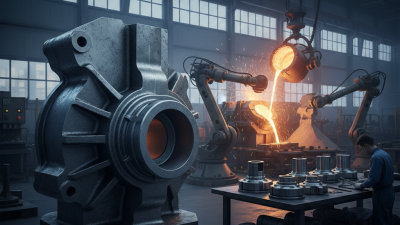
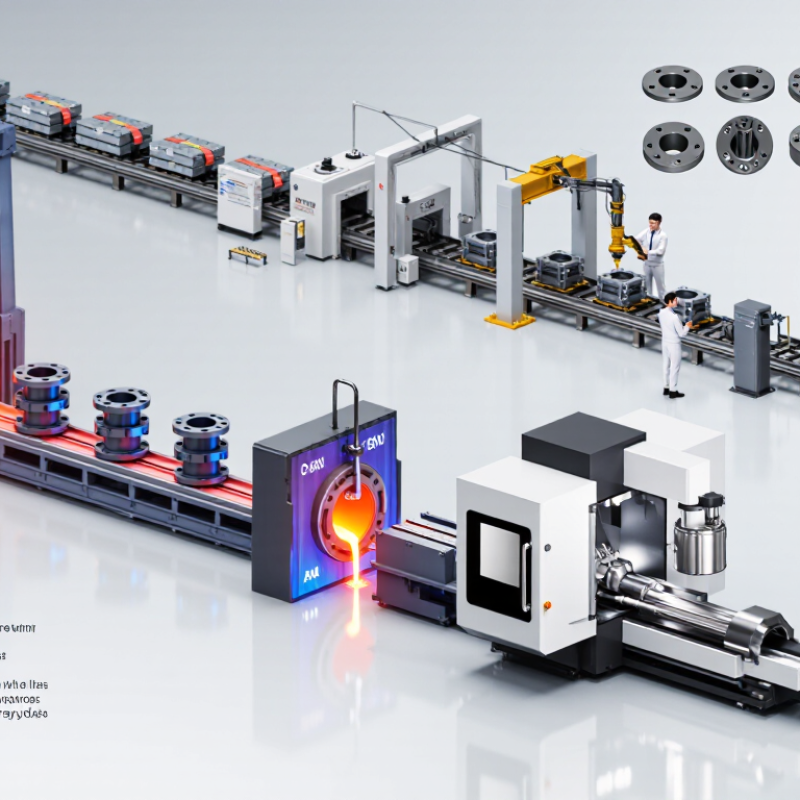
Experienced buyers usually examine the complete manufacturing process. This includes pattern design, mold preparation, melting, pouring, heat treatment, machining, and final inspection. A capable foundry should explain its process clearly. It should also provide material certificates, heat-treatment records, dimensional reports, and traceability documents. Ask how the plant controls furnace chemistry. Ask whether technicians use spectrometers, coordinate-measuring machines, or radiographic testing when necessary. Details reveal competence.
Site audits can offer valuable evidence. Look for organized production areas, calibrated instruments, labeled material batches, and realistic quality records. Certifications may support credibility, but current certificates should be verified independently. Customer references, sample approval, and small trial orders can reduce uncertainty before larger commitments. Practical experience matters.
There is no universal “best” supplier.
The strongest choice depends on your technical and commercial requirements. A low quotation may hide higher machining costs, inconsistent tolerances, or delayed corrections. A premium supplier may still fail without responsive communication. Our assessment may not be perfect, especially when public information is limited. Therefore, compare measurable evidence rather than polished claims. Review defects, corrective actions, delivery performance, and engineering support. A reliable Carbon Steel Casting manufacturer should welcome these questions and provide precise, verifiable answers.
Carbon Steel Casting and Its Role in Industrial Manufacturing
Carbon steel casting remains central to industrial manufacturing because it combines strength, machinability, and flexible geometry. Pump bodies, valve housings, rail components, and construction machinery often depend on this process. The World Steel Association reported about 1.89 billion tonnes of crude steel production worldwide in 2023. That scale reflects continuing demand for durable steel components across infrastructure and heavy equipment.
The best carbon steel casting manufacturer in China should provide more than competitive pricing. It should demonstrate controlled melting, accurate chemical analysis, and documented heat treatment. A reliable foundry records furnace temperature, pouring time, hardness, and tensile results for each production batch.
Non-destructive testing, including ultrasonic or magnetic particle inspection, can reveal internal flaws before delivery. ISO 9001 certification helps, but it does not replace production evidence. Proof beats promises.
Experience matters on the shop floor. Engineers should understand shrinkage, risers, mold design, machining allowance, and distortion after heat treatment. The American Foundry Society’s industry studies repeatedly identify quality consistency and skilled labor as major foundry challenges. This is easy to overlook.
A supplier may pass one sample and fail during volume production. Buyers should review inspection plans, material traceability, corrective-action records, and recent test reports. Factory audits are useful, yet they can miss seasonal process changes. Independent verification remains wiser for critical parts. A strong manufacturer communicates limitations clearly and accepts design feedback before tooling begins.
Key Criteria for Evaluating Chinese Carbon Steel Casting Manufacturers
Evaluating a Chinese carbon steel casting manufacturer requires more than comparing quotations. The 2025 World Steel in Figures report places China’s 2024 crude steel output at approximately one billion tonnes. That scale supports a deep supplier base, but it does not guarantee consistent castings. Ask for evidence of furnace control, charge-material inspection, and documented heat-treatment cycles. A capable foundry should explain how it controls carbon, manganese, sulfur, and phosphorus levels. It should also provide material certificates linked to each heat and casting batch.
Quality systems matter. Check whether the manufacturer maintains ISO 9001 procedures and follows applicable ASTM or EN casting requirements. Request sample inspection plans covering dimensional checks, tensile testing, hardness, and radiographic or ultrasonic examination. Traceability should follow the part from pattern approval to final packing. Look closely at defect records. Honest data is more useful than perfect-looking claims. A polished website proves little.
Production experience is equally important. Review similar casting weights, wall thicknesses, annual volumes, and machining tolerances. Visit the facility when possible. Watch how workers identify molds, store cores, and protect machined surfaces. The 2024 World Bank Logistics Performance Index shows that delivery reliability remains a practical concern across international supply chains. Therefore, assess capacity planning, export documentation, packaging, and contingency procedures. Environmental performance deserves attention too. Ask for energy, emissions, and scrap-recycling records, even if the answers are incomplete. Price still matters, but an unusually low quote may hide weaker inspection or unstable process control. I would test a small pilot order before approving long-term production.
Leading Carbon Steel Casting Manufacturers in China
China’s leading carbon steel casting manufacturers compete on process control, not catalogue size.
China Foundry Association statistics reported roughly 51.9 million tonnes of castings in 2023. That scale creates manufacturing depth, but it does not guarantee consistent quality. World Steel Association data recorded China’s 2024 crude steel output at approximately 1.005 billion tonnes. This supports a broad supply chain for steel grades, machining, heat treatment, and testing.
A credible manufacturer should provide melt chemistry records, not only a polished brochure. Ask for spectrometer results, ladle temperatures, mold-sand controls, and heat-treatment charts. For critical parts, require ultrasonic or radiographic testing, dimensional reports, and material traceability. ISO 9001 certification helps, but active corrective-action records often reveal more. Visit the workshop when possible. Check furnace maintenance, pattern storage, and rejected castings.
Independent selection requires comparable evidence. Send the same drawing and tolerance schedule to several qualified manufacturers. Compare defect rates, tooling costs, lead times, yield, and inspection coverage. The lowest quotation may hide machining allowances or repeated trials. The highest quotation may still lack engineering discipline. That is the uncomfortable part. The best carbon steel casting manufacturer is the one whose production data remains stable across batches. Sales confidence alone proves little. Review supplier performance after delivery, because field evidence can overturn an impressive audit.
How to Select the Best Supplier for Your Project
What Is the Best Carbon Steel Casting Manufacturer in China?
How to Select the Best Supplier for Your Project
The best supplier is not always the one offering the lowest quotation. Start with your drawing, casting weight, grade, tolerance, and expected service conditions. A capable manufacturer should explain its process clearly, from pattern preparation to heat treatment and final inspection. Ask for relevant production records, not only polished photographs. Specific evidence matters.
Review the foundry’s experience with similar carbon steel components. Check melting capacity, molding methods, machining equipment, and nondestructive testing resources. Request material certificates, dimensional reports, and traceability records for each batch. Reliable suppliers can connect the finished casting to its heat number and inspection results. They should also describe how defects are investigated and corrected.
Communication is equally important. During a technical discussion, notice whether engineers identify risks before production. Ask about shrinkage, weld repair limits, surface allowance, and delivery protection. A sample order can reveal more than a long presentation. I have seen projects suffer because a supplier accepted unclear drawings too quickly. That mistake is easy to repeat. Visit the facility when possible, or arrange a live video inspection. Compare the quotation with tooling costs, testing fees, packaging, lead time, and after-sales response. A supplier that admits limitations may deserve more trust than one promising everything.