Leave Your Message

What Is the Best Investment Casting Process in 2026?

Choosing the best Investment Casting Process in 2026 is not about finding one method that suits every part. It means matching the process to the alloy, geometry, production volume, and quality requirements. Grand View Research’s Investment Casting Market Size, Share & Trends Analysis Report estimated the global market at USD 17.7 billion in 2023 and forecast continued growth through 2030. That is a market estimate, not proof that every foundry or component will benefit equally. Still, it reflects sustained demand across sectors such as aerospace, automotive, and industrial equipment. The details matter.

John Campbell, a casting researcher and author of Complete Casting Handbook, has written: “The quality of a casting is determined by the quality of the liquid metal from which it is made.” His observation points to a practical truth: a finely detailed wax pattern cannot compensate for poor melt control or inadequate process monitoring. A thin turbine blade, for example, may demand different shell materials, gating, and inspection than a small stainless-steel valve body. No universal winner. This guide compares common Investment Casting Process options by accuracy, material capability, surface finish, lead time, and total cost. It also considers newer automation and digital controls, while recognizing that their value depends on the shop floor, not the sales brochure. Some trade-offs remain uncomfortable: the most precise route may not be the most economical, and published market forecasts cannot settle that choice.
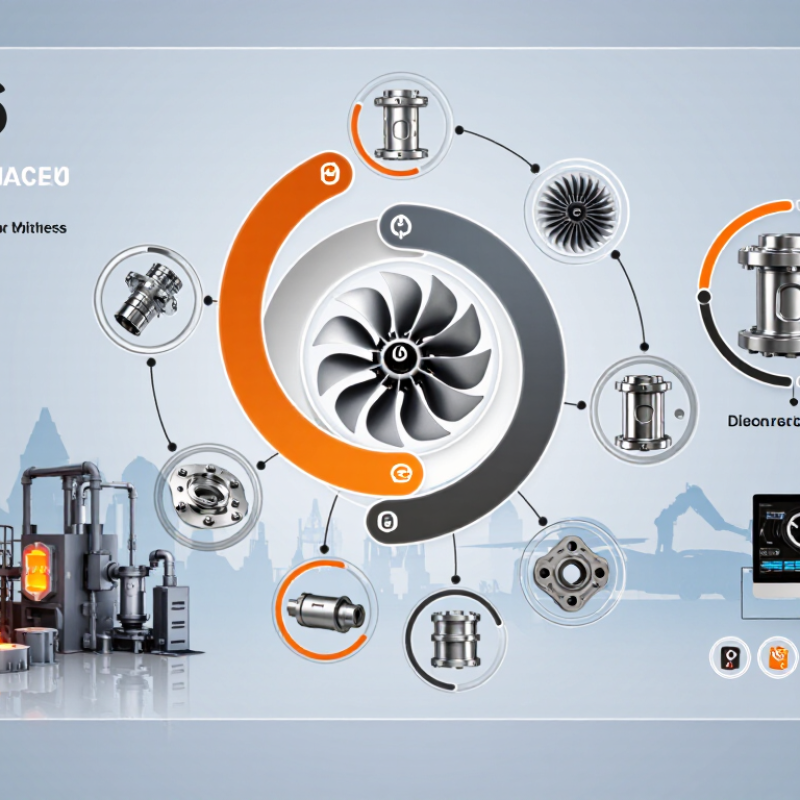
What Is the Best Investment Casting Process in 2026?

Understanding Investment Casting and Its Core Principles

Investment casting, often called lost-wax casting, makes a metal part from a disposable wax pattern. The pattern is formed in a die, assembled with other patterns on a central sprue, then coated repeatedly with ceramic slurry and fine refractory sand. Each layer must dry evenly. Small cracks matter. Once the shell is strong, heat melts out the wax and prepares the mold for molten alloy. This sequence can reproduce thin walls, curved passages, and fine surface details that are difficult to machine from solid stock.

The core principle is controlled replacement: wax defines the cavity, ceramic holds its shape, and metal fills that cavity. Engineers account for alloy shrinkage, shell expansion, gating, and vents before production. Pouring temperature and shell preheat affect filling and surface quality; inspection may include visual checks, dimensional measurement, or suitable nondestructive tests. After cooling, workers break away the shell, cut parts from the sprue, and finish gates or rough edges. It is accurate, but not magically exact. A tiny wax seam or uneven coating can become a visible flaw, so process control matters at every stage. Even experienced teams review defects; the first setup is not always the best one.
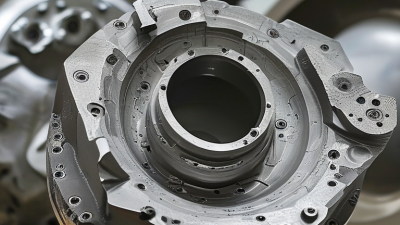
How the Investment Casting Process Works Step by Step

Investment casting begins with a wax pattern shaped to match the final component. The pattern is checked against the drawing, since small errors can carry through to the metal part. Several patterns may be joined to a central wax runner, forming a tree. The tree is dipped in ceramic slurry and coated with fine sand. Repeated coats build a hard shell. Each layer must dry fully. This takes patience. A rushed shell can crack during later heating, though the exact risk depends on its thickness and shape.

The coated assembly is heated so the wax melts and drains away. The ceramic shell is then fired to remove residue and prepare it for molten metal. Foundry staff pour the selected alloy into the hot mold, using controls suited to the alloy and part geometry. After cooling, the shell is broken away and the castings are cut from the runner. Gates are removed, and surfaces may be ground or finished. Inspection can include dimensional checks and, when needed, tests for internal defects. The process can produce detailed shapes, but it is not automatically the best choice for every part. Thin walls, tight tolerances, and production volume all affect the decision. One detail is easy to overlook: pattern quality sets the limits for much of what follows.

What Is the Best Investment Casting Process in 2026? - How the Investment Casting Process Works Step by Step
Step Process Stage What Happens Key Checks and Controls Typical Output
1 Part and process planning The part geometry, alloy, required quantities, tolerances, surface requirements, and inspection plan are reviewed before tooling is made. Check wall thickness, draft and feature access, likely shrinkage, feeding needs, and whether cores or special gating are required. A casting design and manufacturing plan suited to the part’s functional requirements.
2 Pattern-die design and manufacture A reusable die is made to form the expendable patterns. The die design accounts for pattern removal and alloy solidification shrinkage. Verify die dimensions, parting lines, vents, gates, and provisions for any cores. A die capable of producing repeatable wax or other pattern material shapes.
3 Pattern production Pattern material is injected or otherwise formed in the die. Patterns are removed, inspected, and assembled individually or in a cluster. Check pattern dimensions, surface condition, distortion, and joints. Pattern material and tooling determine repeatability. One or more expendable patterns ready for shell building.
4 Tree assembly and gating Patterns are attached to a central sprue with runners and gates that provide a path for molten metal to enter the cavities. Review gate location and size, metal flow, feeding, and the risk of turbulence or premature freezing. A pattern tree designed to fill and feed the castings.
5 Ceramic shell building The tree is repeatedly dipped in ceramic slurry and coated with refractory stucco. Layers are dried between applications until the shell reaches its required strength and thickness. Control slurry condition, coating coverage, stucco size, drying conditions, and shell thickness. The number of coats depends on part size and foundry practice. A ceramic mold surrounding the pattern assembly.
6 Pattern removal and shell firing The shell is heated to remove the pattern material, then fired to remove residues and develop mold strength. Shells are commonly preheated before pouring. Control heating and firing cycles to limit cracking, residual material, and thermal shock. Preheat requirements depend on alloy and casting design. A clean, fired ceramic mold ready to receive metal.
7 Metal melting and pouring The specified alloy is melted and poured into the prepared shell. Pouring may use gravity or, where appropriate, assisted methods such as vacuum or centrifugal force. Monitor alloy chemistry, melt cleanliness, temperature, pouring practice, and mold condition. The suitable method depends on the alloy and geometry. Metal-filled ceramic molds that solidify into the part shape.
8 Solidification and cooling The metal solidifies inside the shell. Cooling behavior affects feeding, grain structure, and the potential for shrinkage-related defects. Use a controlled, alloy-appropriate cooling practice. Evaluate section changes and feeding paths when investigating porosity or shrinkage. Solid castings enclosed in the ceramic shell.
9 Shell removal and cut-off The ceramic shell is removed mechanically or by another suitable method. Castings are cut from the sprue and runners. Prevent damage during shell removal and cut-off. Confirm that gating remnants can be removed without harming critical surfaces. Individual castings separated from the tree.
10 Finishing and inspection Castings may be ground, heat treated, machined, cleaned, or surface finished as specified. Inspection confirms conformance before release. Use dimensional inspection and, when required, visual, penetrant, radiographic, or other suitable testing. Inspection methods depend on the part and specification. Finished castings with documented results against drawing and quality requirements.
Best-process takeaway: There is no single best investment casting route for every part. Conventional ceramic-shell investment casting is a strong choice when complex geometry, good surface finish, and near-net shape are important. The best route in 2026 is the one that meets the part’s alloy, tolerance, volume, inspection, and cost requirements; the process should be validated for the specific design.
Process Choice Best Suited For Main Advantages Important Trade-Offs Selection Consideration
Conventional wax-pattern investment casting Repeat production of intricate metal components, including parts with curved passages, fine details, or shapes that are difficult to machine from solid stock. Can produce complex near-net shapes and generally offers good surface finish; a wide range of alloys can be cast using suitable foundry practice. Requires pattern tooling and multiple shell-building and drying operations. Final tolerances and finish depend on design, alloy, size, and process control. Often preferred when recurring volume can justify tooling and dimensional consistency is important.
Rapid-prototyped expendable patterns Prototypes, design iterations, and low-volume parts where dedicated pattern tooling is not economical or would delay development. Can reduce the need for a dedicated pattern die and help evaluate geometry before committing to production tooling. Pattern material, surface quality, dimensional behavior, shell compatibility, and production rate can differ from conventional wax patterns. Confirm that the selected pattern and burnout route are compatible with the shell system and alloy process.
Investment casting with cores Parts requiring internal cavities, passages, or enclosed features that cannot be created by the external pattern alone. Enables internal geometry that may otherwise need multiple components or extensive machining. Core design, positioning, removal, and inspection add complexity; very small or inaccessible passages may require special validation. Use when the internal feature is functionally necessary and can be reliably formed and verified.
Vacuum-assisted or other specialized pouring Alloys or geometries for which the foundry’s qualified process benefits from controlled filling or a reduced risk of certain filling-related defects. Can support more controlled metal filling in appropriate applications. Requires suitable equipment and process qualification; it does not automatically eliminate porosity or guarantee better properties. Select based on alloy, part geometry, defect history, and validated foundry capability—not as a universal upgrade.
Investment casting followed by machining Parts that need complex cast geometry but also have critical datum surfaces, bearing fits, threads, or tight local dimensions. Combines near-net-shape casting with machining where precise features are required. Adds machining operations, fixtures, and inspection. Casting allowances and datum strategy need to be planned early. Often practical when only selected features need tighter tolerances than the casting can reliably provide.

Comparing Investment Casting Methods and Materials in 2026

The best investment casting process in 2026 depends on alloy, geometry, order volume, and the required surface finish. Silica-sol ceramic shells generally suit intricate parts and tighter dimensional control, but their extra preparation can raise cost. Water-glass shells may be more economical for larger, less demanding components, though surface quality can be rougher. Vacuum-assisted casting helps when filling thin sections or controlling reactive alloys matters. It is not automatically better; tooling, shell quality, and operator control still shape the result.

Material choice changes the comparison. Stainless and carbon steels suit strength and corrosion needs, while aluminum can reduce component weight. Nickel-based alloys tolerate demanding heat, but usually increase material and processing costs.

World Steel Association’s World Steel in Figures 2024 reports 1,892.0 million tonnes of crude steel production in 2023.
Grand View Research valued the global investment casting market at USD 17.11 billion in 2023 and forecast 5.7% annual growth through 2030.

That figure signals steel’s scale, not the availability or price of a specific casting grade. Market growth does not identify a universal winner.

A practical trial should compare sample castings for wall thickness, surface defects, machining allowance, and total delivered cost. I would still question any selection based only on quoted unit price.

Key Factors for Choosing the Best Process for a Project

Choosing the best investment-casting process starts with the part, not a headline claim. Map its thinnest wall, deepest recess, internal passages, and critical dimensions. Conventional wax patterns and ceramic shells suit complex shapes, while printed patterns or rapid tooling may shorten prototype lead times. Yet pattern residue, shell strength, and alloy shrinkage still require testing. Small details matter.

The Grand View Research report Investment Casting Market Size, Share & Trends Analysis estimated the global market at USD 17.7 billion in 2023, with a 5.8% compound annual growth rate forecast for 2024–2030. That figure shows the process’s industrial reach, but it cannot identify the right route for one component. Market growth is not a quality guarantee.

Compare total cost per accepted casting, including tooling, shell preparation, finishing, inspection, and scrap. High volumes may justify durable tooling; prototypes often benefit from faster pattern changes. Check alloy requirements, surface-finish targets, tolerances, and delivery schedules against actual sample castings. Ask for a first-article inspection plan and yield assumptions. There is no universal winner. Estimates can also miss rework and variation between production runs, so treat early quotations as provisional.

Applications Where Investment Casting Offers the Best Fit

Investment casting fits parts that need complex geometry, smooth surfaces, and tight dimensional control without extensive machining. Think of a small turbine vane with thin walls, curved passages, and a branching profile. The process can form these features in one near-net-shape part. It is especially useful for aerospace components, medical instruments, pump bodies, and industrial valves, where shape and material performance matter more than simple, rapid production.

The fit is strongest when a component is difficult to machine or assemble from several pieces. The American Foundry Society identifies aerospace, medical, and energy equipment among important markets for precision castings. Grand View Research estimated the global investment casting market at about $17.5 billion in 2023 and projected 5.3% annual growth through 2030. Those figures suggest sustained demand, but they do not mean every part should be cast this way.

There is a catch. Tooling and wax-pattern development take time, so very short runs may not justify the setup. Tiny internal passages also need careful design; shell thickness and ceramic removal can limit what is practical. In my experience, a useful early check is to compare the proposed casting with a machined or welded version, including finishing and inspection. Investment casting is compelling when it reduces part count or machining, not simply because the drawing looks intricate.

What Is the Best Investment Casting Process in 2026?

Investment casting is often a strong fit for complex, near-net-shape parts, especially when intricate details or difficult-to-machine alloys make other processes less suitable.

How to read this chart: These are approximate densities of representative alloys used in investment-cast applications—not a measure of process suitability. Actual values vary by grade. The best process depends on part geometry, alloy, production volume, tolerances, and cost.