Why Choose Investment Casting for Your Manufacturing Needs?
Investment casting stands out as a preferred method in manufacturing. It offers precision and versatility, making it essential for various industries. Many manufacturers face challenges in creating complex parts. Investment casting provides a solution with its ability to produce intricate shapes and smooth surfaces.
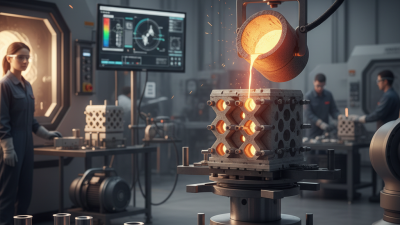
The process begins with a wax pattern coated in a ceramic shell. This technique ensures high accuracy in the final product. Although investment casting is effective, it requires a skilled workforce. Understanding the intricacies of the process is crucial for success. Mistakes can lead to significant costs and delays.
Choosing investment casting means prioritizing quality and efficiency. It enables manufacturers to innovate and meet specific design requirements. While the process may seem straightforward, continuous learning is vital. Embracing investment casting can lead to remarkable improvements in product development. However, it is essential to evaluate each project’s needs carefully.
Understanding Investment Casting: A Definition and Overview
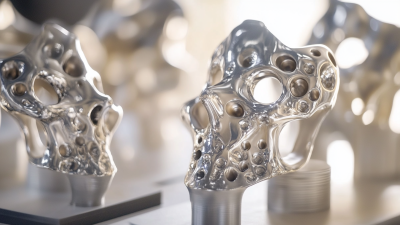
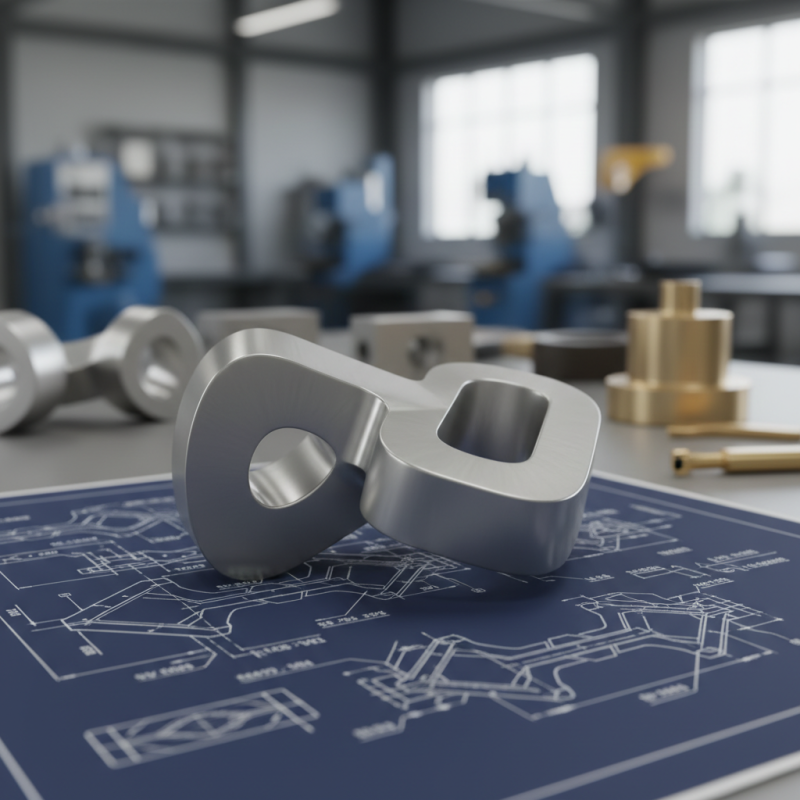
Investment casting, also known as lost-wax casting, is a manufacturing method that provides high precision and excellent surface finish. This process involves creating a wax pattern, coating it with a ceramic material, and then melting away the wax to form a mold. According to the American Foundry Society, investment casting can achieve tolerances as tight as ±0.005 inches. This level of precision is appealing for industries such as aerospace and medical devices, where accuracy is paramount.
The ability to cast complex geometries is another key advantage. Investment casting allows for intricate designs that are often impossible with other methods. A report from the Metal Powder Industries Federation states that this technique can produce parts with complex internal features, further enhancing its application in advanced engineering. However, the process can be more time-consuming and costly compared to traditional methods, which may deter some manufacturers.
Tips: When considering investment casting, evaluate the volume of production you need. Smaller batches may not justify the upfront investment. Additionally, ensure that you collaborate with experienced foundries that can provide guidance. Not all manufacturers may offer the same level of expertise. Take time to assess potential partners thoroughly.
Advantages of Investment Casting Over Other Manufacturing Methods
Investment casting offers several advantages over traditional manufacturing methods. This technique allows for precise and intricate designs, making it ideal for complex components. The mold is created using a wax pattern that is then coated with ceramic. This process captures fine details, resulting in a superior finish. Many manufacturers find that investment casting requires less machining, which reduces production time.
Another important benefit is material versatility. Investment casting can be used with various metals, including alloys. This flexibility means that manufacturers can select materials based on specific performance requirements. The process also leads to less waste compared to methods like sand casting. However, some may find the initial setup costs higher. The precision achieved can offset these initial investments over time.
Quality control is imperative in this process. While investment casting delivers high-quality parts, defects can still occur. It's crucial to have thorough inspections at every stage. Some manufacturers may struggle with consistency in quality. Ensuring reliable outcomes requires experience and expertise. Investing in skilled personnel and robust processes can mitigate these challenges, ultimately leading to better manufacturing results.
Advantages of Investment Casting Over Other Manufacturing Methods
Materials Commonly Used in Investment Casting Processes
Materials play a crucial role in the investment casting process. Metals like aluminum, steel, brass, and titanium are commonly used due to their favorable properties. Aluminum is lightweight and offers excellent corrosion resistance. It is often chosen for aerospace and automotive applications. Steel, known for its strength, can handle stress in demanding environments. This makes it ideal for heavy machinery components.
Brass is another preferred choice, prized for its machinability and electrical conductivity. It finds applications in plumbing fixtures and electrical parts. Titanium, though more expensive, provides exceptional strength-to-weight ratios. This material is vital in aerospace and medical fields where performance cannot be compromised.
Each material has its own challenges. Aluminum can be tricky, as it requires precise temperature control. Steel demands rigorous testing to prevent defects. Brass can be sensitive to the casting environment. Manufacturers must constantly refine their processes to achieve quality results. This reflection on material selection is essential for improving investment casting practices.
Why Choose Investment Casting for Your Manufacturing Needs? - Materials Commonly Used in Investment Casting Processes
| Material Type |
Properties |
Applications |
Advantages |
| Carbon Steel |
High strength and toughness |
Automotive parts, structural components |
Good machinability, cost-effective |
| Stainless Steel |
Corrosion-resistant, high durability |
Medical devices, food processing equipment |
Excellent surface finish, high strength |
| Nickel Alloys |
High temperature resistance, excellent corrosion resistance |
Aerospace components, chemical processing |
Good weldability, strong performance at high temperatures |
| Aluminum |
Lightweight, good corrosion resistance |
Consumer electronics, automotive components |
Excellent thermal conductivity, high strength-to-weight ratio |
Applications of Investment Casting in Various Industries
Investment casting plays a crucial role in various industries due to its ability to produce complex shapes with high accuracy. The aerospace sector frequently utilizes this method to create components that can withstand extreme conditions. According to a report by MarketsandMarkets, the aerospace investment casting market is projected to reach $8 billion by 2025, highlighting the growing demand for precision parts.
In the automotive industry, investment casting is essential for manufacturing lightweight and high-strength components. It allows the production of intricate designs that often cannot be achieved with traditional methods. The global automotive investment casting market was valued at approximately $5 billion in 2020, signaling its importance for manufacturers seeking efficiency and durability in vehicle production.
Despite these advantages, investment casting comes with challenges. The process requires precise temperature control, which can be difficult to maintain. Small deviations can lead to defects in the final product. Additionally, the cost of investment casting can be higher than other methods, especially for small production runs. This complexity needs careful consideration when choosing the right manufacturing process.
Cost Considerations and Efficiency of Investment Casting Techniques
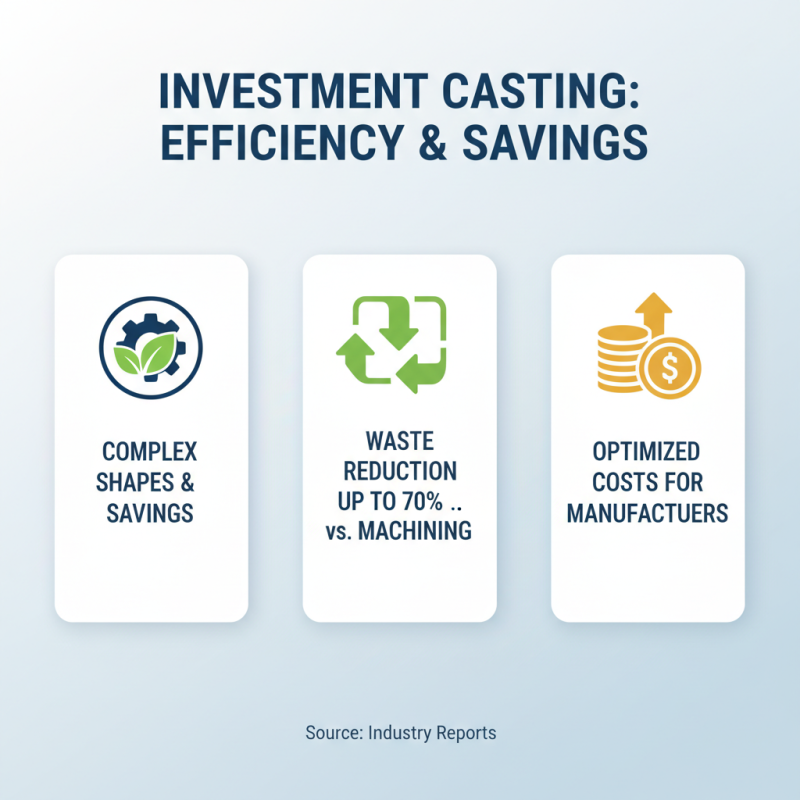
Investment casting stands out as an efficient production technique. Its ability to create complex shapes allows for material savings. According to industry reports, this method can reduce waste by up to 70% compared to traditional machining. This reduction is significant, particularly for manufacturers aiming to optimize costs.
Cost efficiency in investment casting comes from several factors. The initial tooling costs can be higher, yet the longevity of the molds improves overall production efficiency. The cycle time is reduced, enabling faster output. Reports indicate that projects can be completed in weeks rather than months, enhancing productivity.
However, investment casting has its challenges. Material selection is critical and sometimes limits the choice of alloys. Designers often face the dilemma of balancing design precision with manufacturability. There's room for improvement in overcoming these constraints. By addressing these issues, manufacturers can fully leverage the benefits of investment casting while ensuring competitive pricing.