Metal Fabrication Tips for Global Sourcing Success
In the world of manufacturing, metal fabrication plays a crucial role. Companies seek reliable global sourcing solutions. Metal fabrication involves cutting, bending, and assembling metals to create products. It requires skilled labor and advanced machinery, ensuring quality and precision.
Choosing the right partner is essential for successful sourcing. Look for manufacturers with proven experience in metal fabrication. They should offer transparency in their processes. Communication is key; clear dialogue can prevent misunderstandings. Moreover, understanding cultural differences can enhance collaboration.
Challenges arise during global sourcing journeys. Language barriers and time zone differences can complicate operations. Companies must be adaptable and patient. Continuous evaluation of partnerships is vital. Reflecting on relationships can lead to improvements and long-term success in metal fabrication endeavors.
Understanding Metal Fabrication in Global Sourcing
Global sourcing is crucial for companies seeking cost-effective solutions in metal fabrication. Understanding the nuances of this process can yield significant benefits. According to a recent industry report by the Boston Consulting Group, global sourcing can reduce fabrication costs by up to 30%. However, challenges abound, especially in quality control and communication.
Effective metal fabrication requires knowledge of local markets. Manufacturers should be aware of regional capabilities and limitations. For instance, some countries excel in advanced technology while others are known for skilled labor. A study from Deloitte reveals that 70% of manufacturers encounter issues related to quality when sourcing internationally. Thus, establishing robust relationships with local suppliers can mitigate these risks.
Flexibility in sourcing strategies is essential. Companies may need to adapt to sudden changes in costs or lead times. A report from the International Federation of Robotics highlights that automation can improve efficiency but may not suit every location. Hence, balancing technology and human resources is vital. Successful sourcing hinges on a nuanced understanding of global markets and meticulous attention to detail.
Metal Fabrication Tips for Global Sourcing Success - Understanding Metal Fabrication in Global Sourcing
| Tip |
Description |
Importance Level |
Region |
| Material Selection |
Choose the right metal based on application requirements and properties. |
High |
Asia |
| Vendor Evaluation |
Assess potential suppliers for reliability and quality standards. |
Medium |
Europe |
| Production Processes |
Understand various fabrication processes like cutting, bending, and welding. |
High |
North America |
| Quality Control |
Implement quality assurance measures to ensure compliance with specifications. |
High |
Global |
| Cost Considerations |
Analyze costs including material, labor, and logistics for effective budgeting. |
Medium |
Asia |
Key Considerations for Selecting Metal Fabrication Suppliers
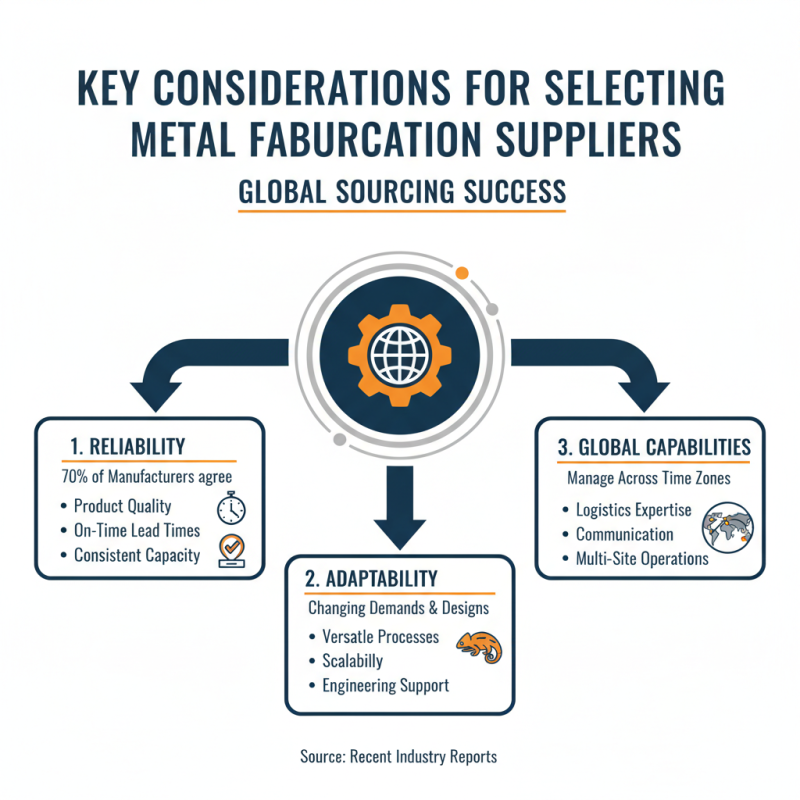
Selecting the right metal fabrication suppliers is crucial for global sourcing success. According to recent industry reports, 70% of manufacturers cite supply chain reliability as a top factor in their sourcing decisions. Reliability goes beyond mere product quality. It encompasses lead times, capacity, and the ability to adapt to changing demands. This versatility is key when managing projects across different time zones and locales.
When evaluating suppliers, consider their manufacturing capabilities. The right partner should have advanced technologies, such as CNC machining and automated welding. These technologies can significantly enhance precision and efficiency. A study by the Fabricators & Manufacturers Association indicates that companies utilizing advanced manufacturing processes can reduce production costs by up to 30%. However, it's important to recognize that not every supplier will meet your specific needs. A misaligned capability could lead to delays or increased expenses.
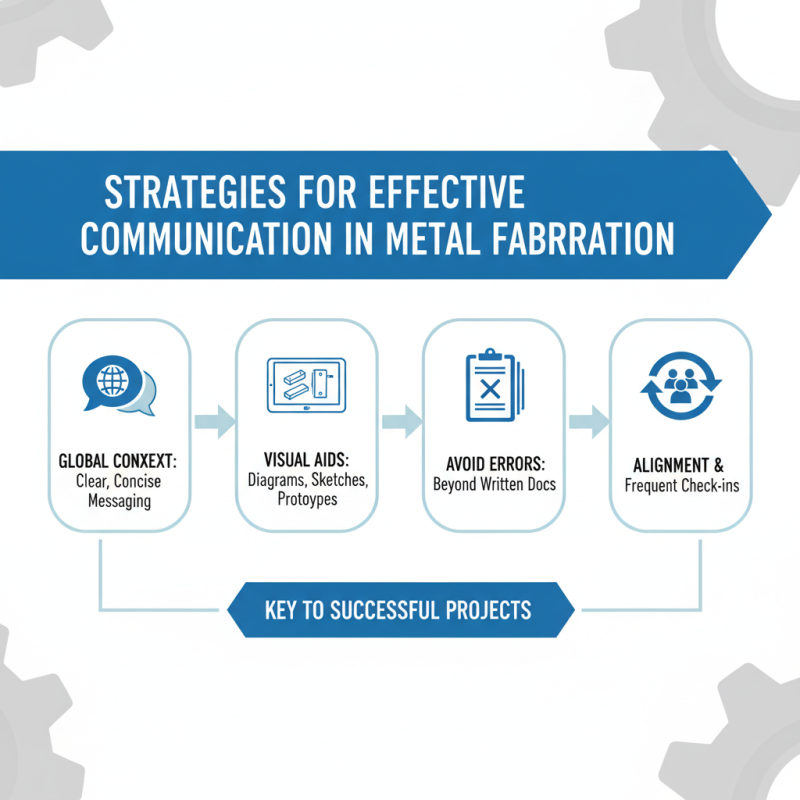
Another pivotal aspect is communication. Effective collaboration across cultural and linguistic barriers can be challenging. Failure to establish clear communication channels can result in misunderstandings and project setbacks. Regular check-ins and detailed documentation can help ensure alignment. While many suppliers may offer promising initial proposals, continued support and engagement are vital throughout the project lifecycle. This ongoing diligence will cultivate a productive partnership and ultimately drive successful fabrication outcomes.
Quality Control Measures in Global Metal Fabrication Sourcing
Quality control is vital in global metal fabrication sourcing. Ensuring consistent quality can be challenging, yet it is essential for success. One issue that often arises is the variance in manufacturing standards across countries. It's crucial to establish clear quality metrics upfront. Develop a comprehensive checklist that covers all aspects of the fabrication process, including materials, dimensions, and surface finishes.
Another tip focuses on supplier relationship management. Regular communication with suppliers can prevent misunderstandings. Schedule frequent virtual meetings to discuss production timelines and quality expectations. This helps maintain trust and allows for quick resolutions to any issues. However, it can be tempting to overlook frequent check-ins due to tight schedules. Keep in mind that this oversight may lead to significant problems down the line.
Finally, consider conducting regular audits. Auditing provides insight into a supplier’s quality management system and ensures compliance with your standards. It's easy to assume that a supplier will maintain quality, but firsthand verification can uncover hidden flaws. Balancing inspections with the desire for efficiency is crucial. Reflect on past experiences: what went wrong? What could have been improved? Learning from these insights will enhance future sourcing strategies.
Navigating Legal and Regulatory Issues in Metal Fabrication Contracts
Navigating legal and regulatory issues in metal fabrication contracts can be challenging. Understanding local laws is crucial for success. Regulations vary by country and region. Contracts must comply with these different legal requirements. Missing a legal detail can lead to significant problems.
One effective tip is to engage local legal experts. They can help ensure that contracts meet all legal obligations. Their expertise can prevent costly mistakes. Always review licenses and permits required for operations.
Another important aspect is clear communication. Specify all terms to avoid misinterpretations. Use precise language when detailing payment terms and delivery schedules. This clarity can prevent disputes later on. Focus on the specifics to create robust agreements.
Adhering to these tips may seem straightforward, but each situation can be unique. Take time to reflect on past contracts. Were there areas for improvement? This reflection can lead to better contracting practices in the future. Build a network of trusted partners to navigate complex legal landscapes.