2026 Top Trends in Metal Manufacturing Innovations and Technologies?
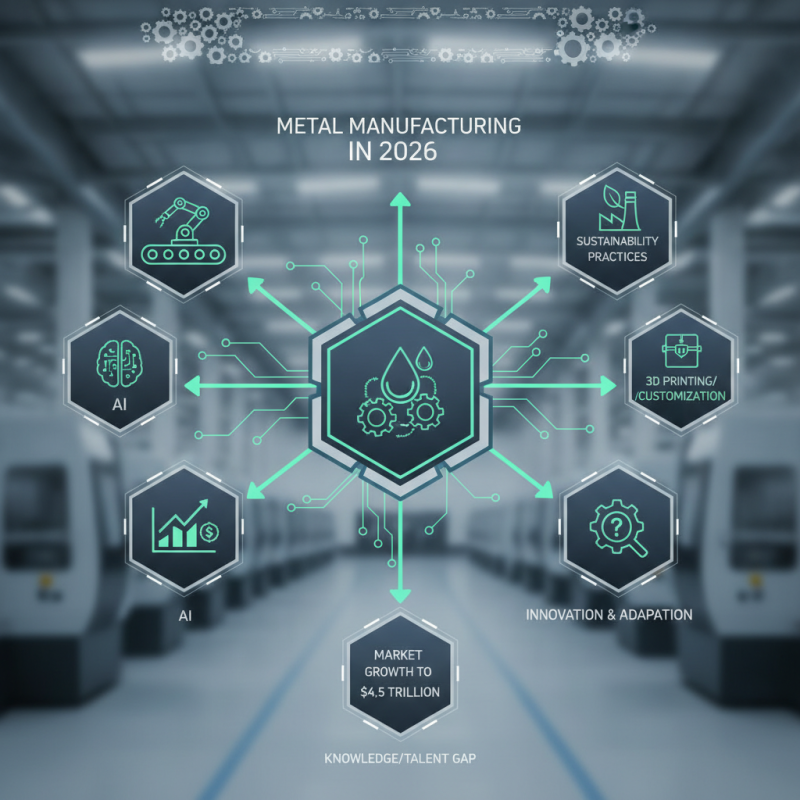
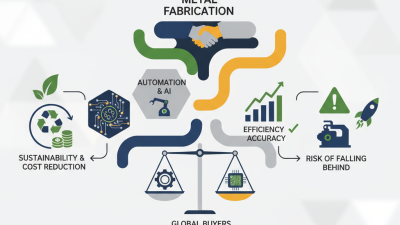
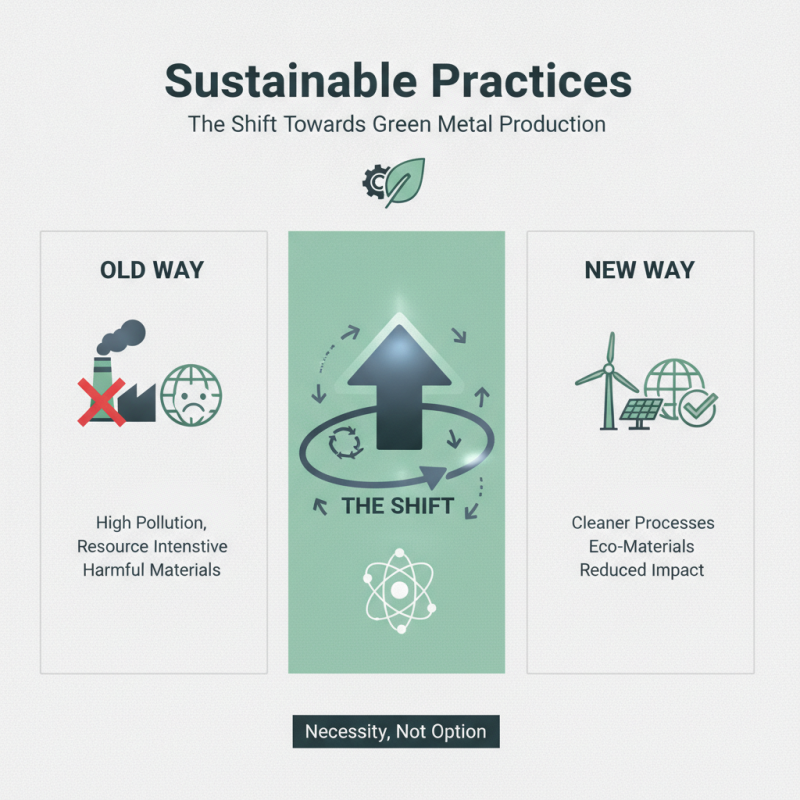
The landscape of Metal Manufacturing is evolving rapidly. In 2026, emerging trends promise to reshape this industry. According to a recent report from Deloitte, the global metal manufacturing market is projected to reach $4.5 trillion by 2026. This growth is fueled by advancements in automation, AI, and sustainability practices.
New technologies are not just cost-effective; they also enhance efficiency. For instance, 3D printing in metal manufacturing allows for customized designs, reducing waste significantly. The need for skilled workers remains a challenge. Many companies struggle to find talent that can operate advanced machinery.
As the industry embraces innovation, it must also address gaps in knowledge and technology integration. Staying informed about these trends is essential for manufacturers aiming to remain competitive. Insightful adaptations will define success in this dynamic environment.
The Rise of Automation and Robotics in Metal Manufacturing
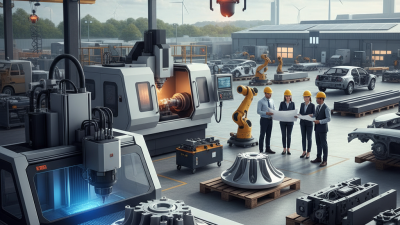
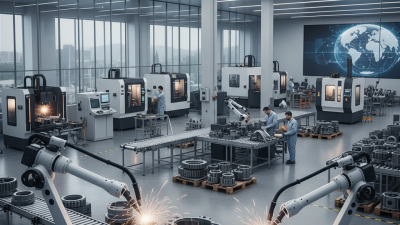
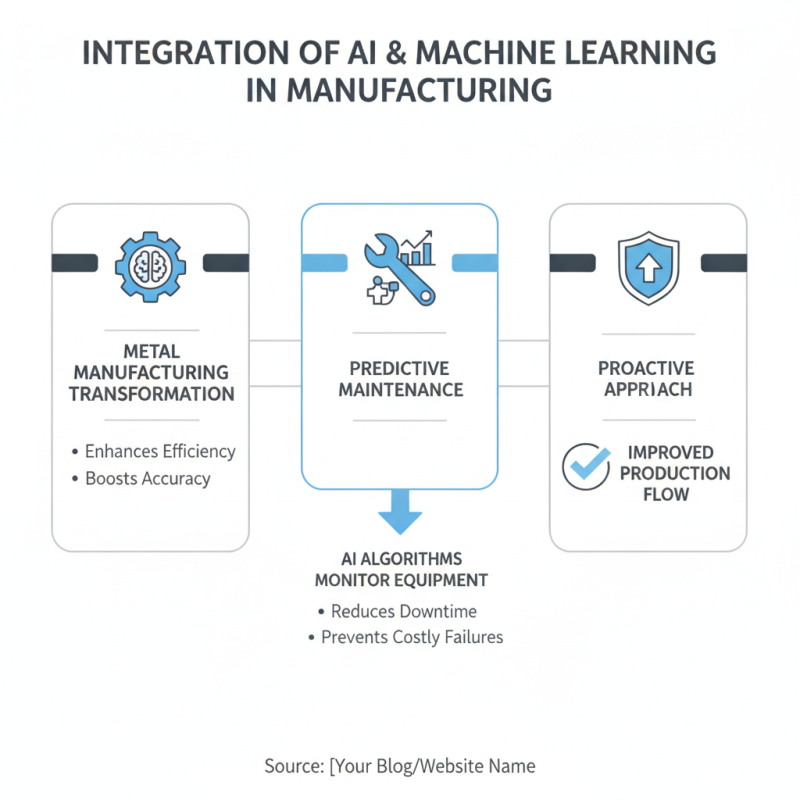
The rise of automation and robotics in metal manufacturing is transforming the industry. These technologies enhance precision and efficiency. Robots can perform complex tasks with accuracy. This reduces human error during production. Employees can focus on high-level decision-making instead of repetitive tasks.
Investing in automation can streamline operations. However, some companies struggle with the initial cost. It's essential to assess your specific needs. Not every process requires a robotic solution. Evaluate which areas will benefit most and ensure smooth integration.
Tips for implementing robotics include starting small. Test on one production line before widespread adoption. Train staff on new technologies. Their insights can spark further innovations. Regularly review performance metrics. This helps identify areas for improvement and ensures long-term success in your automation journey.
2026 Top Trends in Metal Manufacturing Innovations and Technologies
This chart illustrates the increasing adoption of automation and robotics in the metal manufacturing industry over the years, with a focus on key areas such as production efficiency, cost reduction, and safety improvements.
Advancements in Additive Manufacturing Technologies
Additive manufacturing technologies continue to evolve, bringing innovative changes to metal manufacturing. This process allows for the creation of complex geometries that were once impossible with traditional methods. For instance, 3D printing can produce intricate lattice structures, which lead to reduced weight and enhanced strength in components. This is particularly valuable in aerospace and automotive industries, where performance is critical.
However, challenges remain. Material limitations can restrict the types of alloys used in additive manufacturing. Designers may need to work around these constraints, which requires a deep understanding of material science. Additionally, post-processing steps can add time and costs. While additive manufacturing offers flexibility, achieving surface finishes and tolerances comparable to traditional methods is still a hurdle.
Mindful experimentation is essential. Continuous testing helps refine processes and optimize designs. Collaboration between engineers and scientists will drive future advancements. As additive manufacturing techniques mature, they promise to reshape the landscape of metal manufacturing. Balancing innovation with practical considerations remains crucial for success in this field.
Emerging Materials: Innovative Alloys and Coatings for Enhanced Durability
Innovative alloys and coatings are transforming metal manufacturing. These emerging materials enhance durability, making products more resilient in demanding environments. Companies are exploring various combinations of metals to create stronger, lighter alloys. For instance, titanium and aluminum blends offer high strength with reduced weight. This combination is crucial in aerospace applications, where every ounce counts.
Coatings also play a vital role in protecting metals. Advanced coatings can withstand corrosion and extreme temperatures. They provide a barrier against environmental damage. For example, ceramic-based coatings are known for their thermal resistance, enhancing longevity. However, perfecting these materials is an ongoing challenge. Manufacturers must consider cost-effectiveness while maintaining performance. As research progresses, the balance between quality and affordability remains a critical focus.
Despite the advancements, there is room for improvement in consistency and application methods. Ensuring that these innovative materials perform as intended across various production environments can be complex. The industry must address these gaps to fully harness the potential of new alloys and coatings. Continuous feedback and testing are necessary for refining these technologies.
2026 Top Trends in Metal Manufacturing Innovations and Technologies
| Trend |
Description |
Innovative Material |
Key Benefits |
| Advanced Alloys |
Development of new alloys that withstand extreme temperatures and pressures. |
Titanium Alloys |
Improved strength-to-weight ratio and corrosion resistance. |
| Smart Coatings |
Coatings that respond to environmental changes for better protection. |
Nano-Coatings |
Enhanced durability and self-cleaning properties. |
| Biodegradable Metals |
Materials designed to degrade after use, minimizing waste. |
Magnesium Alloys |
Reduced environmental impact and weight savings. |
| Recycled Materials |
Using recycled metals to enhance sustainability in manufacturing. |
High-Quality Recycled Aluminum |
Lower energy consumption and resource conservation. |
| 3D Printed Metals |
Utilizing additive manufacturing for complex metal parts. |
Stainless Steel Alloys |
Customization and reduction in material waste. |