Leave Your Message

Why Choose Carbon Steel Casting for Your Project?

Carbon Steel Casting is often chosen when a project needs strength, dependable performance, and flexibility in part design. It can produce complex shapes, thick sections, and custom components that would be difficult to machine from solid stock. A pump housing, valve body, or heavy equipment bracket may benefit from this approach. The right choice still depends on service conditions, production volume, and inspection requirements.

Casting specialist John Campbell, author of Castings, describes the basic process this way: “The casting process is the process of making a liquid metal flow into a mould and solidify.” That principle sounds simple. In practice, alloy selection, mould design, pouring temperature, and cooling control all affect the finished part. Small changes can influence shrinkage, porosity, surface quality, and mechanical properties. Engineers should review these factors with the foundry before finalizing a design.

This introduction explores why Carbon Steel Casting suits demanding projects, where it performs well, and what trade-offs deserve attention. Carbon steel grades offer different balances of strength, toughness, weldability, and cost. Not every grade fits every environment. Corrosion exposure may require coatings or another material, while tight tolerances can add machining steps. Those details matter. A casting that looks robust on a drawing may need careful testing and finishing before it meets its intended duty. The sections ahead consider material choice, manufacturing benefits, design limits, quality checks, and project costs. The goal is practical guidance, not a promise that casting is always the best answer.
Why Choose Carbon Steel Casting for Your Project?

What Is Carbon Steel Casting?

What Is Carbon Steel Casting?

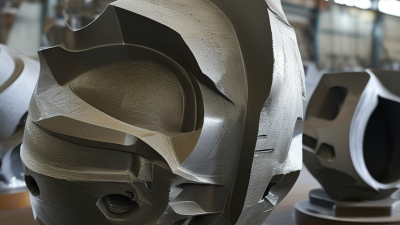
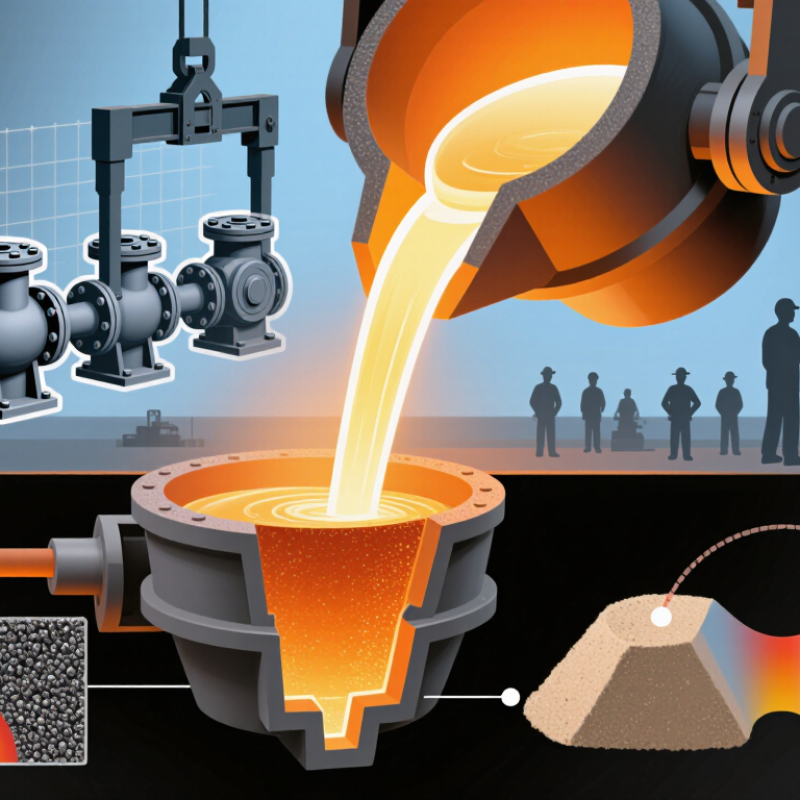
Carbon steel casting is a process for making metal parts by pouring molten carbon steel into a shaped mold. The steel cools and solidifies, then the casting is cleaned and inspected. Think of a rough pump housing emerging from a sand mold: its outer shape is formed, but surfaces may still need machining. Carbon steel contains iron and carbon; its properties vary with carbon content and other alloying elements. More carbon can increase hardness, but may reduce ductility and make welding more demanding. The right grade depends on the part’s loads, temperature, and working environment.

Casting can produce sturdy parts with complex shapes and fewer assembled pieces. Yet it is not a shortcut to guaranteed quality. Mold design, pouring conditions, cooling, and heat treatment all affect the final result. A casting may contain defects or need extra finishing, so specifications and inspection matter. Discuss chemistry, tolerances, and testing needs with a qualified foundry before fixing the design. Small details matter.

Tips: Share drawings and expected loads early. Ask how the part will be inspected, and clarify which surfaces need close tolerances. Leave room for machining where precise fits are essential. A little humility helps: early estimates can change once the mold and process are reviewed.
How Carbon Steel Casting Is Made

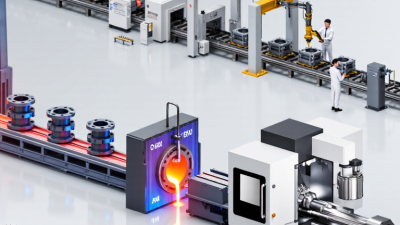
Carbon steel casting begins with a pattern shaped to the part’s dimensions, including extra material for machining. A mold, often made from bonded sand, is formed around it. The pattern is removed, leaving a cavity; gates and risers guide the flow and feed metal as it shrinks. Small details matter. Poor venting can trap gas, while an undersized riser may leave shrinkage voids.

Steel scrap and other charge materials are melted, and the chemistry is checked before pouring. The liquid metal fills the mold, cools, and solidifies; workers then remove the sand and cut away gates and risers. Heat treatment can adjust strength and toughness, followed by dimensional checks and suitable nondestructive testing.

ASTM A27/A27M specifies requirements for carbon steel castings used in general applications. For context, the World Steel Association’s World Steel in Figures 2024 reports 1,892.2 million tonnes of crude steel production in 2023; that is a steel-industry measure, not a casting-output figure.

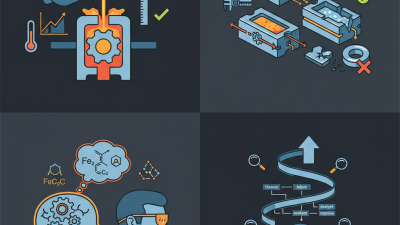
One caution: a clean process diagram can make production look more predictable than it is. Actual results depend on section thickness, mold condition, and process control.

Which Properties Make Carbon Steel Castings Useful?

Carbon steel castings are useful when a component needs strength, dependable load capacity, and a shape that would be difficult to machine from solid stock. Their properties depend on carbon content, alloy additions, heat treatment, and casting quality, so “carbon steel” is not one fixed performance level. A valve body, for example, may need thick walls around pressure passages and sturdy mounting lugs. Casting can form these features as one part. That can reduce separate pieces and joints. Details matter.

Many carbon steel grades can be machined, and suitable grades can be welded for repair or assembly. Heat treatment can also adjust hardness and toughness for the service conditions.

Still, a harder casting is not automatically a better one; it may be less forgiving under impact. The trade-off deserves attention. Carbon steel generally offers less corrosion resistance than stainless steel, so wet or chemical environments may require a coating, maintenance plan, or different material. A close review of the operating temperature, loads, and exposure helps prevent choosing a casting that looks right on a drawing but struggles in service.

Where Are Carbon Steel Castings Commonly Used?

Carbon steel castings are common in equipment that must carry loads, contain pressure, or endure repeated impact. Pump casings and valve bodies move water, oil, and process fluids. Mining and construction machinery use cast housings, sprocket segments, and crusher components. Power generation and rail systems also use cast parts where strength and repairability matter.

The World Steel Association’s World Steel in Figures 2024 estimates that buildings and infrastructure account for 52% of global steel use, mechanical equipment 16%, and automotive 12%. These figures describe steel use broadly, not casting sales. Still, they show why cast components often appear in infrastructure, machinery, and transport supply chains.

That distinction matters. A casting’s suitability depends on the load, temperature, corrosion exposure, and inspection plan. Carbon steel can be a practical choice for thick, complex shapes, but it may need coatings or maintenance in wet or corrosive service. The fit is not automatic. I would check the drawing, service conditions, and machining allowance before specifying it; even a strong casting can disappoint if those details are missed.

What Factors Guide the Choice of Carbon Steel Casting?

Choosing carbon steel casting starts with service demands, not price alone. Estimate loads, impact, operating temperature, and expected cycles. A pump housing beside a vibrating motor needs different toughness than a stationary bracket. Consider corrosion, too; ordinary carbon steel may need a coating in wet or chemically aggressive settings. Fit matters. Specify dimensions, wall thickness, and machining surfaces early, since thick-to-thin transitions can increase shrinkage and inspection concerns.

Then compare the casting route, grade, and finishing needs. The selected grade should meet strength and ductility requirements after heat treatment, not just on a data sheet. Ask how critical sections will be inspected, and whether radiography, magnetic-particle testing, or dimensional checks match the risk. Production quantity matters: tooling can be costly for small runs, while repeat orders may spread that cost. Check whether the foundry can meet tolerances and provide consistent records. One assumption deserves review: higher strength is not always better if it adds machining cost without helping performance. Late design changes happen.

Tips: Share a clear drawing, load conditions, and machining allowance with the casting team. Keep an inspection plan for comparison. Measure twice. A low quote may not save money if rework erases the difference.

Why Choose Carbon Steel Casting for Your Project? — What Factors Guide the Choice of Carbon Steel Casting?

Decision Factor What to Evaluate When Carbon Steel Casting Is a Good Fit Important Consideration
Strength and load requirements Working loads, impact, fatigue, section thickness, and the required safety margin. It can provide practical strength for structural and pressure-containing components. For example, ASTM A216 Grade WCB specifies minimum tensile strength of 70 ksi (485 MPa) and minimum yield strength of 36 ksi (250 MPa). These are specified minimum values for a particular grade, not guaranteed properties for every carbon steel casting. Confirm the applicable standard, casting section, heat treatment, and design conditions.
Part shape and complexity Geometry, internal passages, wall thickness changes, draft, and the number of separate components. Casting can form complex, near-net-shape parts and consolidate features that might otherwise require multiple pieces. Very thin sections, abrupt thickness transitions, and intricate cores may increase tooling and inspection demands. Review the design for castability before production.
Production volume and cost Expected quantity, tooling investment, machining, inspection, and total lifecycle cost. It may be cost-effective when the design benefits from a single cast component or when production quantities support the required tooling. There is no universal cost advantage. Compare the complete casting route with fabrication, forging, machining from billet, and other materials.
Operating temperature Minimum and maximum service temperatures, thermal cycling, pressure, and applicable design-code limits. Suitable grades can serve in many industrial applications when their properties and the component design meet the service requirements. Strength, toughness, and code allowances vary by grade and temperature. Verify the material specification and design basis for the actual service conditions.
Corrosion and environment Moisture, salts, chemicals, soil, process fluids, and exposure duration. It can be appropriate where the environment is controlled or where a qualified protective system is part of the design. Carbon steel is not inherently corrosion-resistant. Coatings, linings, corrosion allowance, maintenance, or a more corrosion-resistant alloy may be needed.
Weldability and repair Welding during installation, attachment details, repair procedures, and inspection requirements. Many carbon steel grades can be welded using suitable procedures and qualified personnel. Preheat, consumable selection, heat input, and post-weld heat treatment may be required depending on grade, thickness, and service. Follow the governing code and procedure.
Machining and dimensional accuracy Final tolerances, surface finish, datum features, and access for machining. A casting can provide the main shape while leaving selected surfaces for finish machining. Cast surfaces and as-cast dimensions have process-dependent variation. Specify machining allowances, tolerances, and inspection points on the drawing.
Quality assurance and traceability Required material certificates, heat treatment records, nondestructive testing, and acceptance criteria. It can meet demanding industrial requirements when the casting process, testing, and documentation are specified and controlled. Define applicable material and product standards, test methods, sampling, and acceptance limits before ordering; requirements depend on the application and code.
Alternative materials and processes Compare carbon steel casting with stainless steel, low-alloy steel, ductile iron, forging, and fabrication. Choose it when its strength, castability, availability, and total cost align with the component's actual service needs. Consider stainless steel for higher corrosion resistance, low-alloy steel for specific strength or temperature needs, and forging where directional properties or fatigue performance are critical.