China Best Steel Investment Casting Solutions for Global Buyers?
In the competitive landscape of manufacturing, "Steel Investment Casting" has gained significant attention. Experts like John Smith, a renowned figure in the steel industry, emphasize its value. He once stated, “Steel Investment Casting offers unmatched precision and versatility for a variety of applications.” This highlights the importance of choosing reliable solutions when sourcing globally.
The growing demand for high-quality steel components has led buyers to seek effective options. China has emerged as a key player, providing robust solutions that cater to diverse industries. However, not all suppliers uphold the same standards. Risk remains in selecting partners without thorough vetting.
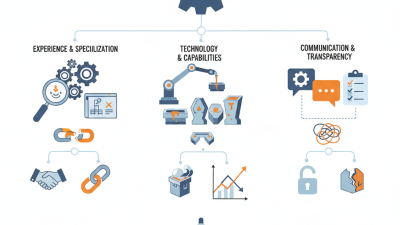
Buyers should prioritize experience and proven track records. Engaging with credible manufacturers ensures that the Steel Investment Casting process meets industry standards. Identifying reputable suppliers requires diligence. Sometimes, the cheapest option might not guarantee quality, leading to potential disappointments. By focusing on expertise, buyers can navigate the complexities of global sourcing effectively.
Overview of Steel Investment Casting in China
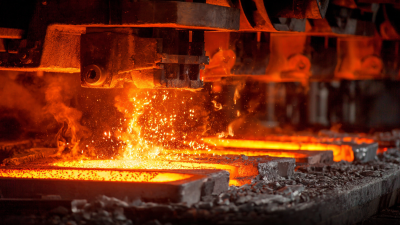
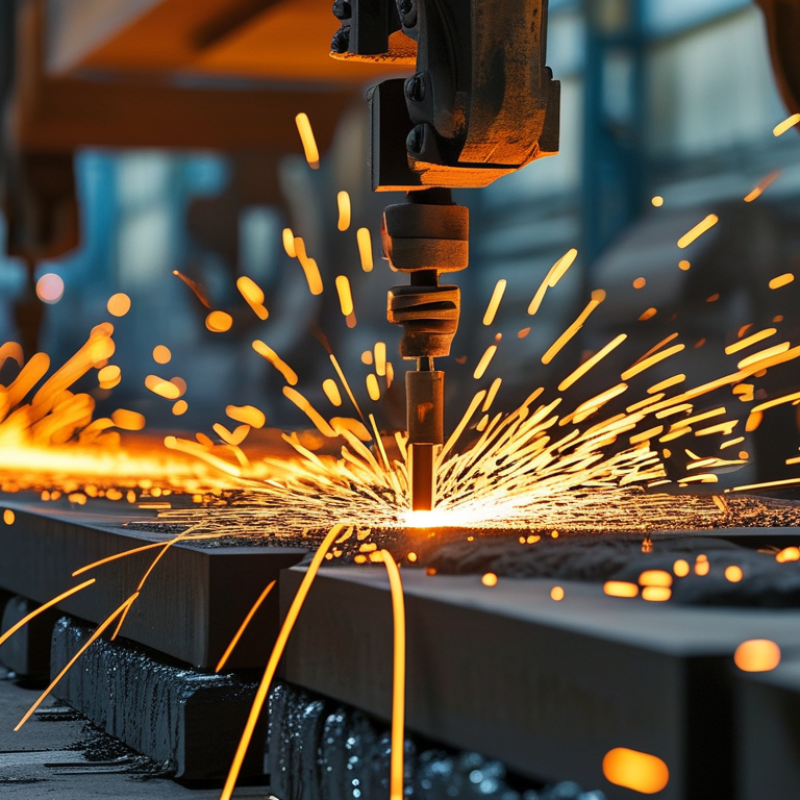
Steel investment casting in China has emerged as an essential component of global manufacturing. The country produces about 50% of the world's steel, significantly impacting the casting industry. In 2020, the steel output reached over 1 billion tons, underscoring China's dominance. This vast production capacity enables efficient sourcing and cost-effective solutions for international buyers.
The precision of Chinese steel investment casting is noteworthy. According to a report by market research firms, the global investment casting market will grow at a CAGR of around 5% through 2026, driven in part by high-quality Chinese products. However, buyers should consider factors such as material certifications and supplier reliability. Not all suppliers may adhere to the same stringent quality measures, which can lead to inconsistencies.
Challenges also exist in the industry. The environmental impact of steel production raises concerns. Recent studies indicate that steel manufacturing processes contribute to significant CO2 emissions. As the world moves toward sustainability, the industry must address these concerns while maintaining output and quality. Potential buyers should engage with suppliers who prioritize sustainable practices. This choice can help facilitate more responsible sourcing.
Key Benefits of Sourcing Steel Investment Castings from China
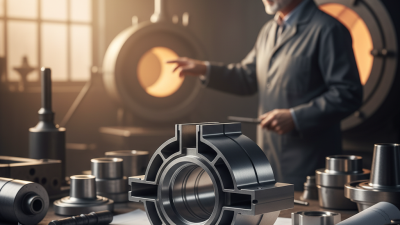
Sourcing steel investment castings from China offers several compelling advantages. First, the country's casting manufacturers possess extensive expertise. Many have decades of experience in producing high-quality components. This depth of knowledge can lead to innovative solutions that meet diverse client needs. Skilled workers ensure precision in the casting process, reducing defects and increasing reliability.
Cost efficiency is another significant benefit. China is known for its competitive pricing due to lower labor costs and economies of scale. This makes it easier for global buyers to find affordable solutions without sacrificing quality. However, potential buyers should carefully evaluate suppliers. Not all manufacturers adhere to the same standards, and discrepancies in quality can arise. This requires thorough research and communication to establish trust.
Lead times are also a consideration. While many Chinese manufacturers can produce quickly, unexpected delays can happen. Supply chain issues or heavy demand can affect timelines. Buyers must account for these factors in their planning. A proactive approach can help mitigate risks associated with sourcing from abroad. Selecting the right partner is vital, but it can lead to substantial benefits in the long run.
Key Benefits of Sourcing Steel Investment Castings from China
Major Industries Utilizing China's Steel Investment Castings
China has become a leading player in the steel investment casting industry, supplying various sectors around the globe. Industries such as automotive, aerospace, and energy increasingly rely on these castings for critical components. According to a recent report by Mordor Intelligence, the global investment casting market is projected to grow at a CAGR of 5% from 2021 to 2026. This growth underscores the importance of understanding industry demands.
The automotive industry, for example, utilizes investment castings for engine blocks and transmission cases. Castings provide the strength required for safety and performance. Furthermore, in aerospace, components like turbine blades require precision and durability, making castings a natural fit. A study by IBISWorld reveals that approximately 25% of the investment casting market is tied to aerospace applications, highlighting its significance.
Energy sectors also benefit from these castings. Wind energy components often face harsh conditions, necessitating high-quality steel castings. Recent data from the National Renewable Energy Laboratory shows that investment casting can improve the efficiency of wind turbines. However, challenges remain in adapting to new technologies and ensuring sustainability. Balancing growth with environmental responsibility is crucial for the industry’s future.
Leading Chinese Manufacturers in Steel Investment Casting
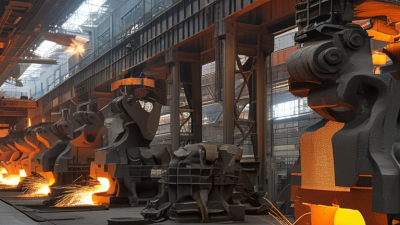
China is emerging as a key player in the steel investment casting industry. The country has numerous manufacturers who excel in producing high-quality investment castings for global markets. According to a recent industry report, China holds over 40% of the global investment casting market share. These manufacturers leverage advanced technologies, enabling precise and efficient production processes.
In 2022, the global investment casting market was valued at approximately $15 billion. The growth rate for investment casting in China is estimated at 8% annually. Leading manufacturers focus on sectors such as automotive, aerospace, and machinery. They invest heavily in research and development, ensuring their products meet international standards. Despite the progress, challenges remain. Issues like quality consistency and environmental regulations pose obstacles for some companies.
Quality assurance is essential in this industry. Chinese steel investment casting firms often collaborate with international clients to improve their processes. Establishing these partnerships can lead to better practices. The investment casting sector must address these challenges to maintain competitiveness. Continuous improvement and adaptation to global standards will help Chinese manufacturers thrive.
Best Practices for Global Buyers When Partnering with Chinese Suppliers
When considering partnerships with Chinese suppliers for steel investment casting, understanding best practices is vital. According to the latest market analysis from Industry Research, the global steel casting market is set to reach approximately $27 billion by 2027. Chinese manufacturers account for a substantial portion of this growth, driven by demand for cost-effective and high-quality products.
Effective communication is crucial when collaborating with suppliers. Clear specifications and expectations can prevent misunderstandings. Many buyers report challenges in language barriers, leading to quality issues. It's important to establish regular meetings, using visual aids to enhance clarity. Additionally, consider using local consultants or intermediaries who understand both cultures.
Quality assurance should never be overlooked. Implementing a robust inspection process can mitigate risks associated with overseas manufacturing. Reports indicate that about 30% of imported castings do not meet the stipulated standards. Regular audits and factory visits are essential, even if they may entail higher upfront costs. Building a solid relationship based on trust can lead to long-term success with suppliers. Emphasizing quality over price can ultimately save costs and enhance profitability.