China Top 10 Casting Parts Suppliers for Global Buyers?
In today's competitive landscape, finding reliable suppliers for casting parts is crucial. Global buyers often turn to China due to its manufacturing capabilities. "The quality of casting parts can significantly affect the final product," notes John Doe, a recognized expert in the casting industry. His insight underscores the importance of choosing the right supplier.
China boasts an extensive network of top-tier casting parts suppliers. These companies offer precision and innovation at competitive prices. However, not all suppliers hold the same standards. It can be challenging for global buyers to navigate this complex market. Transparency and communication are essential aspects to consider when evaluating suppliers.
Buyers should research customer reviews and supplier backgrounds thoroughly. A single poor choice can lead to costly consequences. Investing time in careful selection may save future headaches. Ultimately, knowing the leading casting parts suppliers can position buyers for success. This knowledge aids in building strong business relationships and ensuring product quality.
Top Casting Parts Suppliers in China Overview
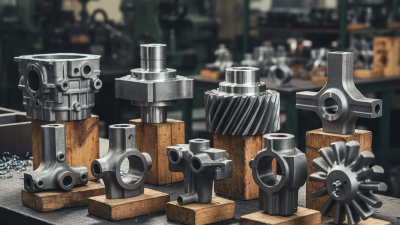
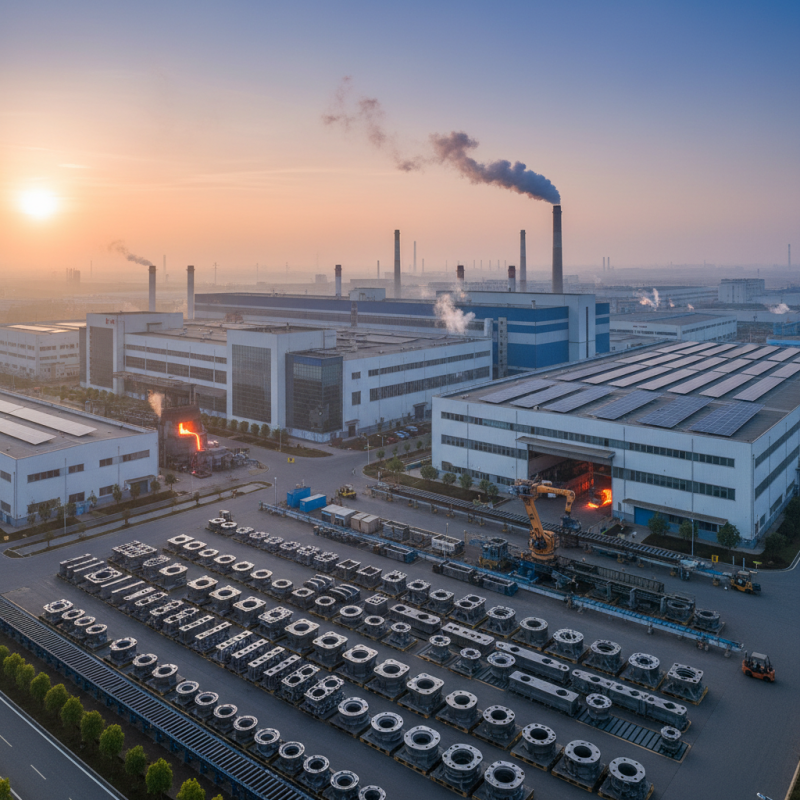
China has emerged as a global leader in casting parts manufacturing. This growth provides a rich array of suppliers. They cater to various industries, including automotive, aerospace, and machinery. Companies seek reliable partners for quality components. However, not all suppliers meet the high standards. It's essential to conduct thorough research.
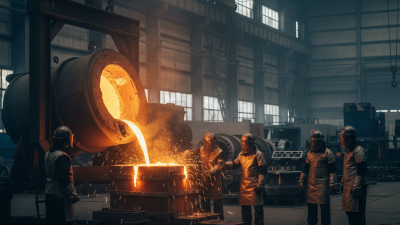
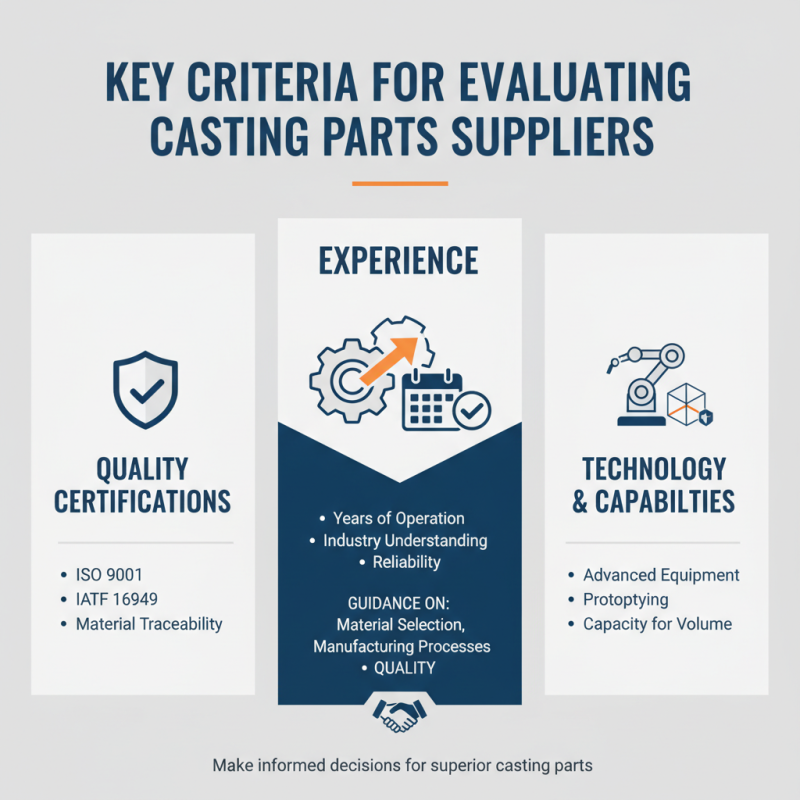
Many suppliers exhibit advanced technology and skilled labor forces. They employ techniques like investment casting and sand casting. These methods enhance precision and material integrity. Yet, challenges exist. Some suppliers struggle with consistency or may overlook quality control measures. This can lead to defects, affecting the entire supply chain. Industry experts suggest that buyers should prioritize factories with robust certifications and a proven track record.
In addition, collaboration with suppliers is crucial. Establishing clear communication ensures that both parties understand expectations. Periodic audits can identify potential issues early. This proactive approach fosters reliability and trust. The right choice can significantly impact product quality and operational efficiency. Finding the ideal partner is a journey that requires patience and diligence.
Profiles of the Top 10 Casting Parts Suppliers in China
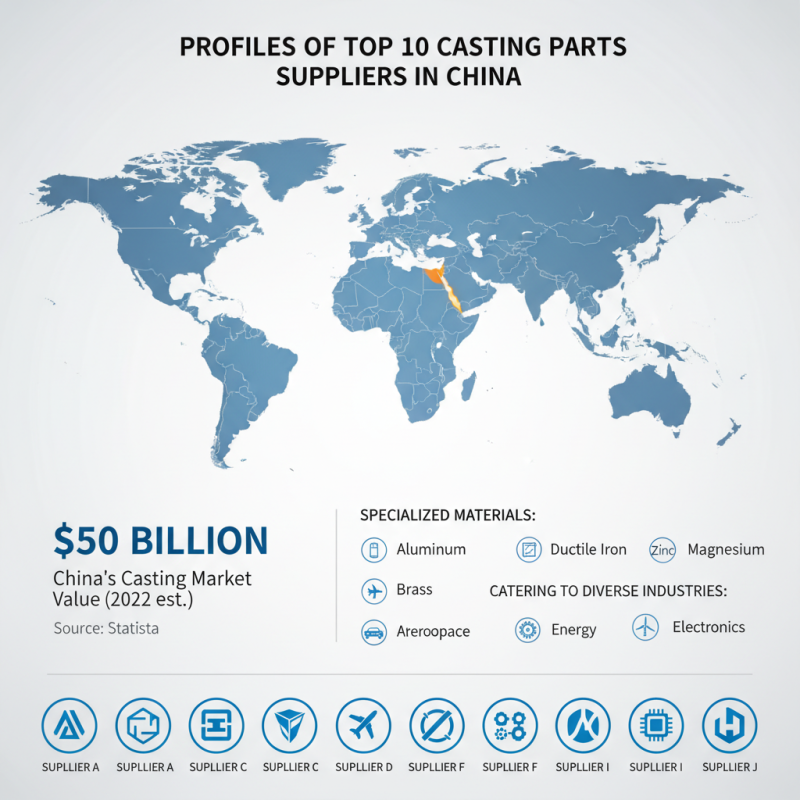
China is a hub for casting parts manufacturing, attracting global buyers. Statista reports that the casting market in China was worth approximately $50 billion in 2022. This figure underscores the country's dominance in this sector. Many of the top suppliers specialize in various materials like aluminum, ductile iron, and brass, catering to diverse industries like automotive and aerospace.
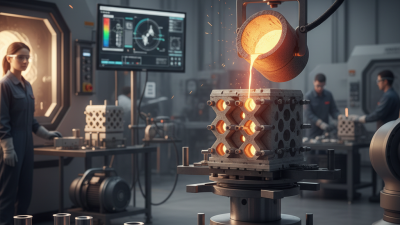
Most suppliers emphasize precision and quality control. They adopt advanced technologies like computer-aided design (CAD) and injection molding. These methods enhance efficiency and accuracy. However, some suppliers face challenges in scaling production while maintaining quality standards. This need for balance is crucial for meeting increasing global demand. Often, buyers encounter varying levels of certification, which can complicate sourcing decisions.
Market trends indicate a rising demand for eco-friendly casting processes. Many suppliers are under pressure to reduce emissions and waste. Still, the transition to greener methods can be slow and costly. This disparity may lead buyers to question the sustainability claims of some suppliers. It's essential for companies to conduct thorough evaluations before prioritizing partnerships with these casting parts manufacturers.
Comparative Analysis of Supplier Offerings and Capabilities
China is a key player in the global casting parts supply market. With a diverse range of suppliers, it's crucial for buyers to understand their offerings and capabilities. Each supplier has unique strengths, making certain aspects more appealing depending on the specific needs of a project.
Many suppliers excel in producing high-quality aluminum and iron castings. They invest in advanced technologies. However, some do not provide adequate after-sales support. This can lead to significant challenges for buyers. It's vital to evaluate suppliers not only on cost but also on reliability and customer service.
Tips: Always request samples before making large orders. This allows you to test quality firsthand. Additionally, conducting factory visits can provide insight into their operations and quality control processes. Keep in mind, not all suppliers may communicate effectively. Language barriers might complicate negotiations. Patience and clarity in communication are critical to avoid misunderstandings.
Global Impact of Chinese Casting Parts Suppliers on the Market
Chinese casting parts suppliers play a pivotal role in the global market. Their ability to produce high-quality components at competitive prices attracts buyers from diverse industries. Many suppliers leverage advanced technology and skilled labor to fulfill international demands. However, the rapid growth in this sector brings challenges that need reflection.
The sheer volume of suppliers can lead to varying standards in quality. Not all suppliers maintain the same level of expertise. Some may cut corners to reduce costs, which raises concerns about product reliability. Buyers need to exercise caution and conduct thorough assessments of potential partners. Understanding the manufacturing process provides insight into quality control measures employed by these suppliers.
Moreover, fluctuations in global supply chains can impact delivery times. Political and economic shifts occasionally create uncertainties. Suppliers must remain adaptable to respond to these changes. The emphasis on sustainability is also on the rise. Buyers increasingly seek partners committed to environmentally friendly practices. This growing demand for sustainable options could reshape supplier dynamics in the future.
China Top 10 Casting Parts Suppliers for Global Buyers
| Rank |
Monthly Production Capacity (units) |
Major Export Markets |
Specialization Area |
Certification(s) |
| 1 |
50,000 |
North America, Europe |
Automotive Components |
ISO 9001, TS 16949 |
| 2 |
30,000 |
Australia, Asia |
Heavy Machinery |
ISO 9001 |
| 3 |
45,000 |
Europe, Middle East |
Electronic Components |
ISO 14001 |
| 4 |
60,000 |
North America, Asia |
Aerospace Parts |
AS9100 |
| 5 |
55,000 |
Europe, South America |
Marine Components |
ISO 9001 |
| 6 |
40,000 |
Asia, Africa |
Construction Materials |
ISO 9001 |
| 7 |
70,000 |
North America, Europe |
Industrial Components |
ISO 9001, OHSAS 18001 |
| 8 |
20,000 |
Europe, Asia |
Precision Parts |
ISO 9001 |
| 9 |
25,000 |
Middle East, South America |
Consumer Goods |
ISO 14001 |
| 10 |
10,000 |
Asia, Europe |
Medical Equipment |
ISO 13485 |