What Is Stainless Casting and How Does It Work?
Stainless Casting is the process of shaping corrosion-resistant steel by pouring molten metal into a prepared mold. It can produce intricate parts, thick sections, and forms that would take more machining to create from solid stock. The method is used for components such as pump housings, valve bodies, and fittings. Yet a polished surface does not tell the whole story. Internal soundness matters, too.
The work begins with selecting an alloy to suit the part’s environment and mechanical demands. Foundry teams melt and refine the metal, then pour it into a mold designed for the component’s shape and cooling behavior. As the casting cools, the metal solidifies. Workers remove the mold, clean the part, and inspect it for defects and dimensional accuracy. Details matter. Pouring temperature, mold design, and cooling rates can all affect the result.
Foundry metallurgist John Campbell’s guidance on casting quality can be paraphrased this way: “Sound castings begin with clean, carefully controlled liquid metal.” This is a paraphrase, not a verbatim quotation. It captures an important principle, but it is not the entire process. Alloy choice, mold preparation, and inspection also matter. The method has limits. Complex shapes may reduce machining, but they do not guarantee a flawless part. A careful explanation of Stainless Casting should show both its capabilities and the decisions that determine whether a component meets its intended use.
What Stainless Steel Casting Is
Stainless steel casting is a way to make metal components by pouring molten stainless alloy into a shaped cavity. As the metal cools and solidifies, it takes the mold’s form. The alloy’s chromium helps create a thin surface film that slows corrosion. Not rust-proof. Salt, chemicals, heat, and poor cleaning can still damage a casting, depending on its grade and surroundings.
The mold may be made from sand, a ceramic shell, or another heat-resistant material. In investment casting, a wax pattern is coated with ceramic, then melted out to leave a cavity. Molten alloy fills that space and forms details such as curved passages or thin ribs. The exact method depends on part size, shape, quantity, and required finish. Pouring temperature and cooling rate matter, too; small changes can affect defects and material properties.
After removal from the mold, a casting may need gates cut off, surfaces cleaned, and dimensions checked. Some parts also receive heat treatment or machining where they meet other components. A smooth surface can be reassuring, but it does not prove the interior is sound. Inspection methods and acceptance criteria should match the part’s intended service. Even a well-designed casting may need adjustment after its first production run.
Which Stainless Steel Alloys Are Used for Casting
Stainless steel casting uses alloys chosen for the service environment, not simply for their shiny appearance. Austenitic grades are common. Cast CF8 is broadly comparable to wrought 304, while CF8M is comparable to 316 and includes molybdenum for improved resistance to chloride-related corrosion. These alloys suit components such as pump housings, valves, and fittings exposed to moisture or mild chemicals. The comparison is useful, but cast and wrought grades are not identical in every respect.
Other applications call for different structures. CA6NM is a martensitic casting alloy valued for strength and wear resistance, often in water-handling equipment. Duplex alloys, such as CD4MCu, combine austenitic and ferritic phases to provide strength and resistance to stress corrosion cracking. Ferritic casting grades may also fit some heat-resistant or corrosive-service needs. The details matter.
Foundries melt the selected alloy, pour it into a prepared mold, then clean and inspect the solidified part. Heat treatment can refine properties, but it cannot fix every design or casting defect. Alloy selection should account for temperature, chemicals, pressure, and expected maintenance. A chloride-rich environment, for example, may rule out a seemingly suitable grade. Even alloy labels can be confusing; confirm the casting specification and verify the finished part’s chemistry and condition.
What Is Stainless Casting and How Does It Work? - Which Stainless Steel Alloys Are Used for Casting
Stainless steel casting forms a component by pouring molten stainless steel into a mold and allowing it to solidify. The method can produce complex shapes, internal passages, and components that may be difficult to make from wrought stock. Alloy selection depends on corrosion conditions, strength, temperature, and applicable specifications.
How the Stainless Casting Process Works
| Stage |
What Happens |
Purpose |
| 1. Pattern and mold preparation |
A pattern is used to create a mold cavity. The mold may be made from bonded sand or, for investment casting, a refractory ceramic shell. |
Defines the component’s shape and casting allowances. |
| 2. Alloy melting and preparation |
The selected stainless steel is melted; its chemistry and temperature are controlled before pouring. |
Helps achieve the required alloy composition and casting quality. |
| 3. Pouring |
Molten metal flows through the mold’s gating system and fills the cavity. |
Transfers the liquid alloy into the component’s intended form. |
| 4. Solidification and cooling |
The metal cools and solidifies inside the mold; the cooling rate affects the resulting microstructure. |
Creates the solid casting. |
| 5. Mold removal and finishing |
The casting is removed, and gates, risers, and excess material are cut away. Surfaces may be cleaned or machined. |
Brings the casting closer to its required dimensions and finish. |
| 6. Heat treatment and inspection |
When specified, the casting is heat-treated and inspected using suitable dimensional, visual, or nondestructive testing methods. |
Verifies that specified material and quality requirements are met. |
Common Stainless Steel Casting Alloys
| Cast Grade |
Alloy Family |
General Characteristics |
Typical Applications |
| CF8 |
Austenitic stainless steel; commonly compared with wrought 304 |
General-purpose corrosion resistance and good toughness. |
Pump and valve bodies, fittings, and general fluid-handling components. |
| CF8M |
Molybdenum-bearing austenitic stainless steel; commonly compared with wrought 316 |
Molybdenum improves resistance to pitting and crevice corrosion compared with CF8 in many chloride-containing environments. |
Marine and chemical-service pumps, valves, and fittings, subject to service conditions. |
| CF3 |
Low-carbon austenitic stainless steel; commonly compared with wrought 304L |
Reduced carbon content helps limit sensitization during welding or exposure to elevated temperatures. |
Welded or fabricated cast components requiring a low-carbon grade. |
| CF3M |
Low-carbon, molybdenum-bearing austenitic stainless steel; commonly compared with wrought 316L |
Combines low carbon content with molybdenum-assisted resistance to localized corrosion. |
Welded process equipment, pump parts, and valve components in corrosive service. |
| CF8C |
Niobium-stabilized austenitic stainless steel; broadly related to wrought 347-type steel |
Stabilization helps reduce chromium-carbide precipitation risks in certain elevated-temperature service conditions. |
Selected elevated-temperature cast components, where permitted by the applicable specification. |
| CA6NM |
Low-carbon, 13% chromium, nickel-bearing martensitic stainless steel |
Heat-treatable grade offering a useful combination of strength, toughness, and corrosion resistance. |
Hydraulic turbine components, pump parts, and other high-strength castings. |
| CD4MCu |
Duplex stainless steel |
Duplex microstructure provides higher strength than common austenitic grades and good resistance to several forms of corrosion. |
Chemical-processing, marine, and industrial fluid-handling components selected for demanding service. |
Note: Cast-grade designations and wrought-grade comparisons are approximate; cast and wrought grades are not automatically interchangeable. Confirm composition, heat treatment, mechanical properties, and service suitability against the applicable material specification and project requirements.
How Casting Molds Are Designed and Prepared
A stainless steel casting begins with a mold designed around the part’s shape, metal flow, and expected cooling. Designers add shrinkage allowance because stainless steel contracts as it solidifies. They also include machining stock on surfaces that need precise dimensions. Small draft angles help the finished casting release without damaging the mold. The first layout is rarely final.
The mold must guide hot metal smoothly. Gates control how stainless steel enters the cavity, while runners distribute it. Risers act as reservoirs, feeding metal into areas that shrink during cooling. Poor placement can cause porosity or incomplete filling. Turbulence matters, too. It can trap gas and promote surface defects. There is no perfect layout; thicker sections and complex corners often require careful adjustment.
Before pouring, workers prepare the mold material for high temperatures and check its condition. Sand molds need suitable refractory properties, consistent compaction, and clear vents. Cores must fit securely and remain clean. Moisture is a serious concern, so molds and cores are dried as specified. Assemblies are aligned and clamped to limit leakage. A final visual check may catch a loose core or blocked vent, though inspection cannot reveal every hidden weakness.
How Stainless Steel Is Melted, Poured, and Solidified
What Is Stainless Casting and How Does It Work?
How Stainless Steel Is Melted, Poured, and Solidified
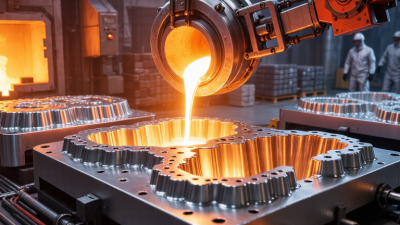
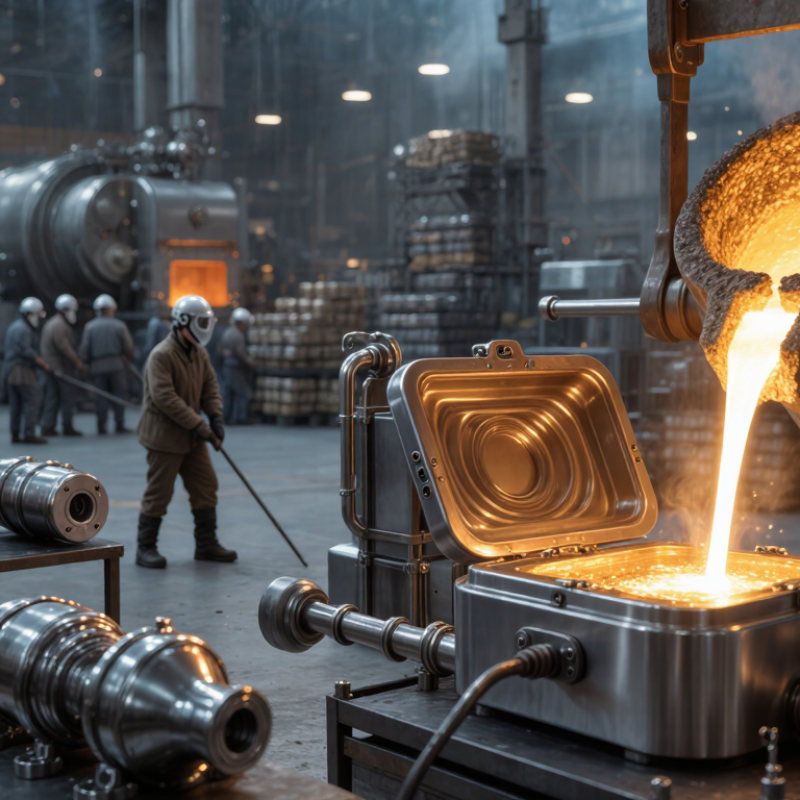
Stainless casting begins with carefully selected metal charges, melted in an electric furnace. Operators monitor temperature and composition because chromium and other alloying elements affect corrosion resistance and strength. The liquid metal is intensely bright. Samples may be tested before pouring, since small chemistry changes can alter the finished part.
Once the melt reaches its target range, it is transferred into a prepared mold. The mold may be made from bonded sand or ceramic, depending on the part’s shape and required detail. Pouring must be steady: a fast, turbulent stream can trap air or disturb the mold, while a slow stream may cool too early. It sounds simple. It isn’t always.
Inside the mold, the steel cools from the surfaces inward. As it contracts, extra molten metal must feed shrinking regions; otherwise, cavities can form. Mold design, pouring temperature, and cooling conditions all influence the result. After solidification, the casting is removed, cleaned, and inspected for surface flaws or internal defects. In real production, results are rarely perfect on the first try. A section that cools unevenly may need a revised gate or mold layout, and that practical adjustment is part of controlling quality.
What Is Stainless Casting and How Does It Work?
Typical melting ranges of selected stainless steel grades
Stainless steel is melted, poured into a mold, and allowed to solidify into a desired shape. The bars show typical alloy melting ranges—not pouring temperatures. Exact values vary with composition, and cast grades may differ.
How Castings Are Finished and Inspected
Stainless castings leave the mold with gates, runners, and sometimes a rough parting line. Foundry workers remove these features by sawing or grinding, then use blasting to clean the surface. Critical faces and bores may be machined to drawing dimensions. Stainless steel can work-harden during cutting, so blunt tools or excessive grinding may leave heat marks and an uneven finish. Shiny is not always sound.
Inspection checks both appearance and function. Visual examination can reveal cracks, laps, and surface pits; ASTM A802 provides guidance for visual acceptance of steel castings. Dye penetrant testing can expose surface-breaking flaws, while radiography may be chosen for internal areas that carry higher risk. Dimensional checks use tools such as calipers, gauges, or coordinate-measuring machines. The American Foundry Society’s 2022 World Casting Production Census estimated global output at about 112.7 million metric tonnes. That scale makes repeatable inspection important, but each casting still needs checks matched to its design and service conditions.
Tips: Clean the part before penetrant testing; residue can hide indications. Record key dimensions and any repair areas. A small, rough patch may be acceptable, or it may matter greatly—context decides.