Top Metal Parts Manufacturing Techniques for Efficient Production?
Metal Parts Manufacturing plays a critical role in various industries, from automotive to aerospace. According to a report by MarketsandMarkets, the global metal fabrication market is projected to reach USD 23 billion by 2026. This growth highlights the importance of efficient production techniques.
Advanced methods like additive manufacturing and CNC machining are transforming how metal parts are produced. These techniques can reduce waste and optimize material usage. However, challenges remain. The transition to new technologies often involves significant investments and requires specialized skill sets.
Emphasizing innovative techniques is essential for staying competitive. Companies must also focus on sustainable practices to meet regulatory standards. Despite advancements, the need for quality assurance and rigorous testing remains. Implementing a robust framework for these processes can help reduce defects and improve overall efficiency. Balancing innovation with reliability is key to thriving in the metal parts manufacturing sector.
Overview of Metal Parts Manufacturing Techniques
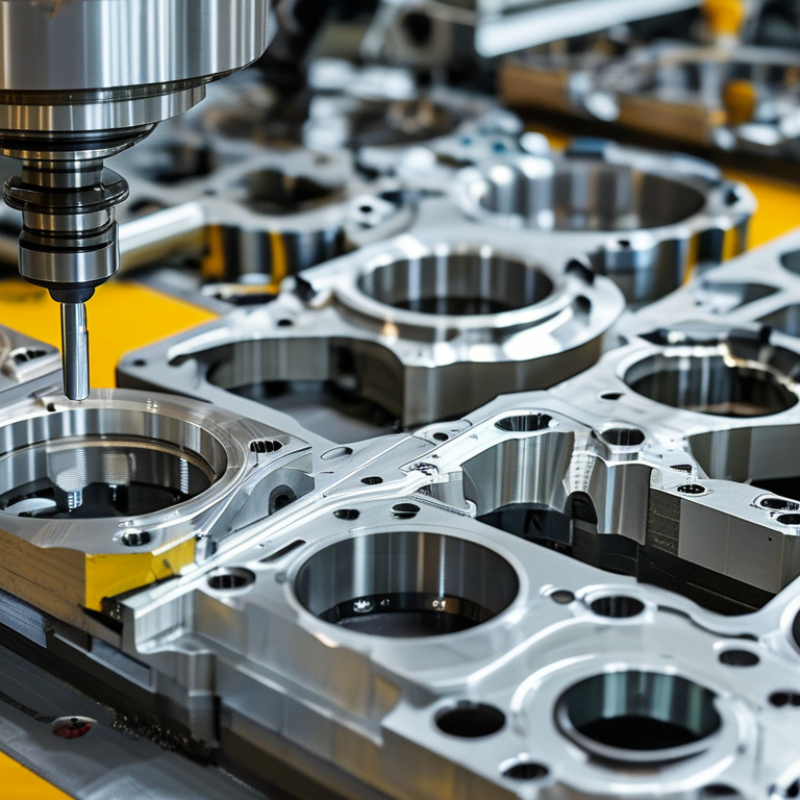
Metal parts manufacturing involves various techniques tailored to enhance efficiency and precision. Each method has its own merits, and understanding these can significantly impact production outcomes. Traditional machining remains a cornerstone, offering flexibility in creating complex geometries. CNC machining automates aspects of this process, streamlining production and reducing human error. However, initial setup costs can be high, which might deter smaller manufacturers.
Additive manufacturing, or 3D printing, represents a breakthrough in metal fabrication. This technique allows for rapid prototyping and reduced waste. Metal powders are fused layer by layer to create intricate designs that would be impossible with conventional methods. Yet, the variability in material properties continues to raise questions among industry professionals.
Casting techniques, like sand casting or investment casting, are popular for producing large quantities. These methods provide excellent dimensional accuracy. Challenges arise, though, as they can lead to imperfections, such as air pockets. Continuous improvement practices are essential to mitigate these issues. Each technique offers unique benefits and potential drawbacks that manufacturers must consider in their quests for efficiency.
Casting Techniques for Metal Parts Production
Casting techniques play a crucial role in metal parts production. They allow for the creation of complex shapes that would be difficult to achieve through other manufacturing methods. One common casting technique is sand casting, which uses sand as the mold material. It is versatile and cost-effective, making it popular among manufacturers. However, the process can lead to surface imperfections that require additional finishing.
Another technique is investment casting. This method offers higher precision and a better surface finish. It involves creating a wax pattern, coating it with a ceramic shell, and then melting away the wax. While it minimizes material waste, it requires careful handling and can be time-consuming. Manufacturers must balance quality and efficiency in this method.
Die casting is also noteworthy. It injects molten metal into a mold, allowing for rapid production. This technique is favored for high-volume runs. However, it may limit design flexibility due to mold constraints. Each casting technique has its strengths and weaknesses, and manufacturers must assess their specific needs and goals when choosing the appropriate method.
Machining Processes for Precision Metal Components
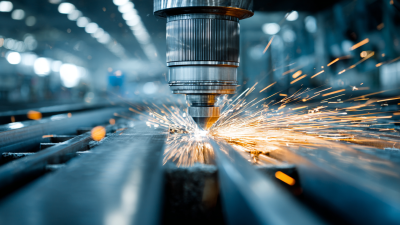
Machining processes play a pivotal role in the production of precision metal components. According to a report from the Metalworking Industry Association, over 60% of all manufactured parts undergo some form of machining. This highlights the significance of employing effective techniques to streamline production. Techniques such as CNC machining, electrical discharge machining (EDM), and laser cutting are essential for achieving tight tolerances and intricate designs in metal components.
It's crucial to select the right machining method for specific applications. CNC machining stands out for its flexibility and repeatability, ideal for high-volume production. EDM, on the other hand, is excellent for hard materials requiring intricate shapes. A study from the Precision Metal Forming Association indicates that nearly 75% of manufacturers are investing in advanced machining technologies to enhance operational efficiency.
Tips: Always evaluate your material before selecting a machining process. Some techniques may produce better outcomes depending on the metal's hardness. Engage with skilled machinists who can provide insights into process capabilities and limitations. Continuous training and investment in technology are vital for keeping pace with the industry's demands and increasing precision. Mistakes are learning opportunities; review past projects to identify areas for improvement.
Additive Manufacturing in Metal Fabrication
Additive manufacturing, often known as 3D printing, is revolutionizing metal fabrication. It allows for the creation of complex geometries that traditional methods cannot achieve. This technology contributes to material efficiency and reduces waste by using only the necessary amount of metal. As industries seek to enhance productivity, additive manufacturing offers a unique advantage in rapid prototyping and customized production.
One important aspect to consider is the learning curve involved with additive manufacturing. While the technology showcases incredible capabilities, it requires skilled operators to maximize its potential. Sometimes, flaws in the design or printing process lead to unexpected results. This can necessitate reworking parts or even scrapping them entirely, which can be frustrating for manufacturers.
Additionally, the choice of materials for additive manufacturing is crucial. Not all metals are suitable for this process. Each material reacts differently during the printing process, affecting strength and durability. Understanding these properties ensures that the final product meets performance standards. Challenges remain, but the benefits of additive manufacturing make it an essential technique in modern metal parts production.
Quality Control Measures in Metal Parts Production
Quality control is critical in metal parts production. It ensures the integrity and reliability of parts. Inconsistencies can lead to significant failures in the end products. Therefore, implementing effective measures is essential.
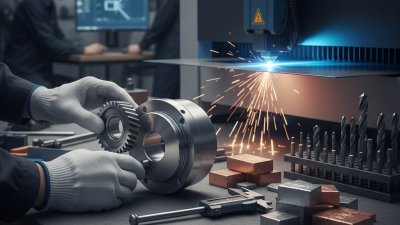
One key aspect of quality control involves regular inspections. Utilize tools like calipers and micrometers to check dimensions. This ensures that each part meets specified tolerances. Record all measurements and results. While this process can be time-consuming, it pays off by minimizing errors.
Tips: Always define clear standards before production begins. This sets expectations for quality. Consider incorporating machine learning techniques. They can help predict failures and optimize processes.
Another measure is conducting stress tests on samples. These tests can reveal weaknesses in materials. Despite thorough inspections, some flaws may go unnoticed. Assume not every item is perfect. Use feedback from testing to iterate and improve production techniques.