Leave Your Message

Top Stainless Casting Manufacturers for Global Buyers

Global buyers comparing stainless steel foundries face more than a price list. Alloy grade, casting method, inspection records, and delivery control all shape the final result. A bright sample on a desk tells only part of the story. The decisive evidence often sits in material certificates, dimensional reports, and a foundry’s response to a difficult specification.

J. R. Davis, editor of the ASM Specialty Handbook: Stainless Steels, offers a valuable technical reference point for understanding stainless alloys. A practical buyer’s principle for this guide is: “A dependable casting begins with a verified alloy and ends with documented inspection.” This is an editorial summary, not a verbatim quotation from Davis. It reflects the checks that help buyers compare suppliers on more than polished photographs.

This overview of top Stainless Casting manufacturers will examine production capabilities, material expertise, quality systems, customization, and export support. It will also consider details that are easy to overlook: wall-thickness consistency, surface finish in recessed areas, and how clearly a supplier explains defects or delays. These details matter.

No supplier is perfect for every project. A low quotation may fit a simple component, yet prove costly when tolerances tighten or traceability becomes essential. Buyers should verify claims against project requirements and current documentation. The comparisons ahead aim to support informed shortlisting—not replace technical review, sample approval, or direct discussions with the manufacturer.
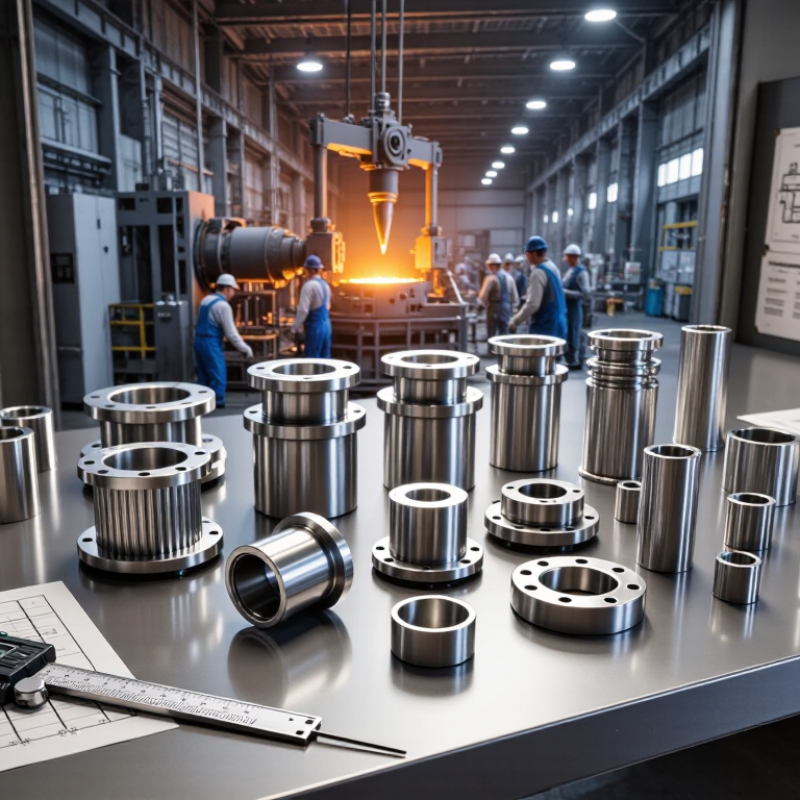
Top Stainless Casting Manufacturers for Global Buyers

Stainless Casting Basics: Alloy Grades, Processes, and ASTM A351/A743 Standards

Stainless castings are shaped by both alloy chemistry and service conditions. CF8 is broadly comparable to wrought 304, while CF8M adds molybdenum for better resistance to localized corrosion. They are not interchangeable in every design. Chloride exposure, temperature, and weld repairs can change the outcome.

ASTM A351 covers austenitic and duplex stainless steel castings for pressure-containing service. ASTM A743 addresses corrosion-resistant castings for general applications. The standard and grade designation help define material requirements, but they do not replace checking the component’s operating conditions. Sand casting suits larger, heavier parts; investment casting can produce finer details and thinner sections. Both processes need control of shrinkage and porosity. Small defects matter.

World Stainless’ Stainless Steel in Figures 2024 reports global stainless crude-steel production of 58.4 million tonnes in 2023, up 4.6 percent from 2022. That figure describes steel production, not casting output, but it shows the scale of the material supply chain. A grade name alone can still be misleading. Buyers should review the specification, heat-treatment records, and inspection results together; overlooking one is an easy mistake.

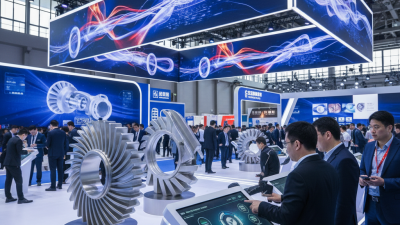
Leading Foundries Compared by Capacity, Markets, and EN 10204 Type 3.1 Certification

Global buyers comparing stainless casting foundries should look beyond annual tonnage. A large furnace count means little if finishing, heat treatment, or inspection becomes a bottleneck. Ask for practical monthly output by alloy, casting weight, and process route. Request recent delivery ranges, not just maximum capacity. A 40-kilogram pump housing and a small valve body do not use capacity equally.

Market experience matters because application details change. Marine components may need close attention to pitting resistance, while food-processing parts often require cleanable surfaces and traceable heats. Check whether a foundry regularly serves your product type. Review sample drawings, dimensional reports, and defect records. Ask how it handles pattern changes and nonconforming castings. Answers should be specific. Vague assurances are not evidence.

For EN 10204 Type 3.1, check that the certificate identifies the supplied material and reports relevant test results, such as chemical composition and mechanical properties. Match heat numbers against casting markings and purchase documents. The inspection representative should be authorized and independent of the manufacturing department. Small mismatch, big headache. Capacity figures and certificates still leave room for judgment; during a trial order, record how quickly the team resolves a dimensional deviation.

Top Stainless Casting Manufacturers for Global Buyers - Leading Foundries Compared by Capacity, Markets, and EN 10204 Type 3.1 Certification

Anonymous comparison of common stainless-steel foundry capability profiles—not a ranking of named manufacturers. Actual production capacity, served markets, and certificate availability are specific to each facility and should be confirmed directly with the supplier.

Supplier profile Typical casting route Capacity comparison Common application markets EN 10204 Type 3.1 documentation Buyer checks
Investment-casting foundry Lost-wax casting; often selected for complex shapes and detailed features. Facility-specific. Compare annual tonnage alongside part-size limits, tooling capacity, and available production shifts. Pumps and valves, industrial equipment, marine components, and other applications requiring complex cast shapes. Request a 3.1 inspection certificate for the supplied products and confirm that the document covers the ordered material and test results. Ask for sample inspection documents, dimensional-control methods, available alloy grades, and evidence of process capability for the part.
Sand-casting foundry Sand-mould casting; commonly suited to larger or less geometrically intricate castings. Facility-specific. Compare moulding capacity, maximum casting dimensions and weight, and realistic delivery output. Heavy industrial equipment, pump and valve bodies, and large engineering components. Availability must be confirmed per order. Check that the certificate is issued for the supplied products and includes the agreed inspection results. Verify casting-weight limits, inspection and repair procedures, machining scope, and traceability from heat to finished part.
Centrifugal-casting foundry Molten metal is solidified in a rotating mould; the process is used for rotationally symmetric products such as tubes and rings. Facility-specific. Compare the available diameter, length, wall-thickness range, and production schedule for the required geometry. Industrial piping, sleeves, rings, and other rotationally symmetric components, subject to the supplier’s process limits. Confirm that Type 3.1 documentation can be supplied for the ordered material and that product identification is traceable. Check dimensional range, required machining allowance, test requirements, and whether the supplier can meet the specified product standard.
Multi-process foundry Offers more than one casting route or combines casting with machining and finishing; actual scope varies by facility. Do not compare from a headline tonnage alone. Request process-specific capacity, bottleneck details, and a production plan for the required part mix. Potentially serves multiple industrial sectors; confirm relevant experience and approvals for each intended application. EN 10204 Type 3.1 is an inspection-document type, not a blanket company certification. Confirm document availability for the specific order. Identify which operations are performed in-house, which are subcontracted, and how material and inspection records remain linked.

Certification note: EN 10204 Type 3.1 is an inspection document for supplied products. Under the standard, it is validated by the manufacturer’s authorized inspection representative who is independent of the manufacturing department. Request the certificate for the relevant order and verify its product identification, material designation, and stated inspection results.

Global Manufacturer Profiles by Region, Casting Method, and End-Use Industry

A useful manufacturer profile should show more than production capacity. Compare suppliers by region, casting method, and the industries they serve. Regional location can affect shipping time, communication, and access to nearby machining or heat-treatment services. These factors matter when a casting must arrive ready for assembly. Details vary.

Method matters, too. Investment casting can suit intricate parts with fine features, while sand casting may accommodate larger components and varied geometries. A supplier’s stated capability is only a starting point. Ask for sample inspection records, material traceability, and evidence of dimensional checks on comparable parts. Small details count.

End-use experience helps buyers judge whether a manufacturer understands real operating conditions. Pumps, food-processing equipment, marine hardware, and industrial valves can place different demands on corrosion resistance, surface finish, and wall thickness. Request examples of similar components, along with the inspection criteria used. A tidy spreadsheet can still hide gaps; I would verify how a supplier handles rejected castings and process changes. No profile replaces a technical review, but consistent, specific answers make comparisons more reliable.

Buyer Evaluation Criteria: ISO 9001, Nondestructive Testing, Lead Times, and Cost

For global buyers, an ISO 9001 certificate is a useful starting point, not proof that every casting will meet specification. The ISO Survey 2022 recorded more than 1.26 million valid ISO 9001 certificates worldwide. That scale makes verification essential: check the certificate’s scope, issuing body, and expiry date. Ask how the foundry controls heat records, melt chemistry, and dimensional checks. Small details matter. A traceable heat number on a test coupon should match the inspection report and shipment documents.

Nondestructive testing needs equal scrutiny. Specify the method, inspection area, and acceptance criteria in the purchase order; “NDT included” is too vague. Liquid penetrant testing can reveal surface-breaking defects, while radiography can examine internal areas. Request sample reports and confirm inspectors’ qualifications. Lead times also need evidence. Ask for separate dates for tooling, first-article approval, production, and dispatch, then compare them with recent delivery records. A short promise is easy to make. Cost comparisons should include tooling, testing, packaging, freight, and the cost of rejected parts—not only the unit price. I would also ask what happens when a test fails. Buyers sometimes overlook this uncomfortable question; it can expose gaps in corrective-action procedures.

Supplier Verification: Traceability, Inspection Records, and ASTM Acceptance Requirements

For stainless castings, supplier verification starts with a traceable link from the finished part to its heat or melt number. Ask for the material test certificate, chemistry results, heat-treatment record, and inspection report. The records should identify the casting, applicable specification, test method, result, and acceptance limit. Numbers matter. A certificate alone is not proof that the inspected part matches the shipment; compare part markings, packing lists, and sample records. Keep the chain visible.

ASTM requirements depend on alloy and service. ASTM A351/A351M covers austenitic steel castings for pressure-containing parts, while ASTM A802/A802M provides visual surface-acceptance standards for steel castings. Buyers should state the required grade and acceptance criteria in the purchase order, including any agreed nondestructive examination. ISO’s 2022 Survey reported 1,265,216 valid ISO 9001 certificates across 189 countries and economies. That scale shows how common certified quality systems are, but certification does not verify a specific casting. Look closer. Request dated inspection records, calibration status, and traceable nonconformance dispositions. A weak point remains: paperwork can be complete while a casting’s identity is unclear. Check the physical markings against the documents before acceptance.